
Verified PRO supplier badge SGS On-site Assessed Custom Manufacturer
info@wlifitness.com
  • English
  • Deutsch
  • Español
  • Français
  • Italiano
  • Português
  • Русский
  • 日本語
  • 한국어
  • العربية
  • Türk
  • Nederlands
0%

Choosing the right Neoprene Hex Dumbbell starts with how it feels in your hand. A secure grip matters when your palms grow warm during a set. The hexagonal ends help limit rolling on a smooth floor, while the neoprene coating offers a softer touch than bare metal. Still, comfort is personal. A handle that feels smooth to one lifter may feel too thick to another.

“[Insert a verified quotation from a named fitness-equipment expert about grip, durability, or weight selection.]” — [Expert name and credentials]

This guide will help you compare weight options, handle dimensions, coating quality, and construction before buying. Check whether the dumbbell feels balanced when lifted, and inspect the coating for even coverage around the edges. If possible, hold one before ordering; a product photo cannot show how the handle sits across your palm. Think about where you will use it, too. A compact pair beside a living-room mat has different needs from a set used daily in a busy training space.

Specifications can guide a decision, but they do not guarantee a perfect fit. That part takes testing.
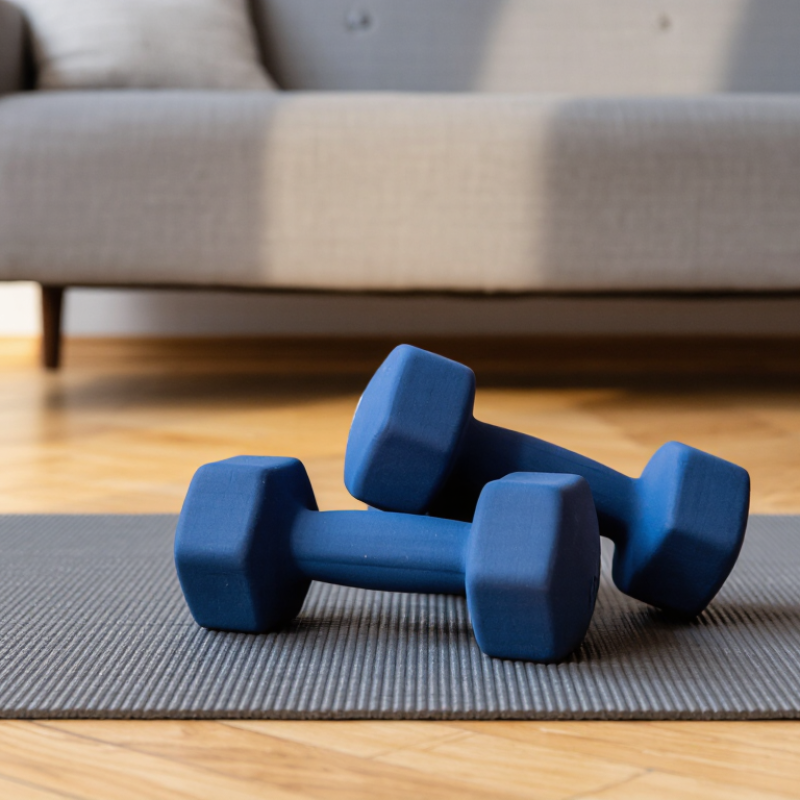
How to Choose the Best Neoprene Hex Dumbbells

Define Your Training Goal With ACSM’s 8–12-Rep Strength Range

How to Choose the Best Neoprene Hex Dumbbells

Define Your Training Goal With ACSM’s 8–12-Rep Strength Range

For general strength, use ACSM’s 8–12-repetition range as a practical starting point. Its 2009 Position Stand, “Progression Models in Resistance Training for Healthy Adults,” recommends this range for novice and intermediate adults. It also outlines training two or three days per week. These are guidelines, not a test you must pass. Choose a dumbbell weight that lets you complete eight controlled repetitions, with a few challenging reps still possible. Your shoulders should stay relaxed, and your torso should not rock. That matters. If you can easily reach 12, try a heavier pair; if your form breaks before eight, go lighter.

Match the dumbbell to the exercise, not just the goal. A weight that works for rows may overwhelm your shoulders during raises. Neoprene can feel comfortable in the hand, while hexagonal heads help prevent rolling between sets. Check that the handle feels secure when your palm gets sweaty, and choose weight increments that support gradual progress. One honest limitation: a single pair rarely suits every movement. I’d rather see clean repetitions with a lighter weight than a forced final rep—but it’s easy to misjudge effort, so record your reps and adjust after a few sessions.

How to Choose Neoprene Hex Dumbbells for an 8–12-Rep Strength Goal

For novice and intermediate strength training, ACSM guidance recommends choosing a resistance that allows 8–12 repetitions per set with good technique. Select dumbbells that make the final repetitions challenging while still controlled; the neoprene coating does not determine the appropriate weight.

Compare Available Neoprene Dumbbell Loads and Weight Increments

Compare the full load ladder, not just the heaviest pair. Neoprene hex dumbbells may be sold individually or as pairs, and available increments can vary across a set. Check whether the steps are one pound, 2.5 pounds, or larger; a missing middle weight can make progression awkward. Small jumps matter. A one-pound increase is 10% for a 10-pound dumbbell, but only 5% for a 20-pound dumbbell. That difference can change how manageable a new set feels during controlled curls or shoulder raises.

The American College of Sports Medicine’s 2009 “Progression Models in Resistance Training for Healthy Adults” recommends increasing resistance by 2%–10% when a person can exceed the target repetitions by one or two. Use that as a guide, not a rigid rule: dumbbell increments may force a bigger jump. For example, moving from 10 to 12.5 pounds is a 25% increase, which may feel too steep for smaller muscle groups. I would check the next load before buying, then test it with steady repetitions and no swinging. A little inconvenient, but useful. If the jump disrupts form, keep the lighter pair and build repetitions before moving up.

Evaluate Hex-Head Stability, Handle Grip, and Coating Quality

How to Choose the Best Neoprene Hex Dumbbells

Evaluate Hex-Head Stability, Handle Grip, and Coating Quality

A flat hex head should rest steadily on a hard floor without rocking. That matters during quick set changes and floor-based exercises. Place each dumbbell on a level surface, then press lightly on both ends. Check that the heads sit evenly and do not roll when nudged. The National Institute on Aging recommends strength exercises at least twice weekly for older adults; frequent use makes stable storage and dependable handling practical considerations. Handle grip deserves a close check, too. Hold the dumbbell with dry hands, then repeat with slightly damp palms. The handle should feel secure, not sharp or slippery. A textured surface can help, but overly rough knurling may irritate skin during higher-repetition sets.

Tips: Inspect the coating around the head-to-handle joint. Look for thin spots, bubbles, or edges that lift under gentle pressure. A mild rubber-like smell may fade, but persistent odor deserves attention. Even a neat finish can hide a weak bond; that is easy to miss. Rotate the handle in your palm and check whether its diameter suits your grip. The CDC’s Physical Activity Guidelines recommend muscle-strengthening activity on at least two days each week for adults. With regular handling, small coating defects can become more noticeable. Choose an evenly finished pair, and recheck it after a few weeks of use.

Verify Weight Accuracy, Pair Matching, and Storage Requirements

When choosing neoprene hex dumbbells, check their actual weight rather than relying only on the label. Place each dumbbell separately on a reliable scale, using the same flat surface each time. A small difference may be normal, but noticeably mismatched weights can affect one-sided exercises. Check the scale’s accuracy with a known weight if possible. Home scales can fluctuate, so repeat the measurement instead of trusting one reading.

Compare both dumbbells in a pair. Their handles should feel similar in thickness, and the heads should sit evenly without wobbling. Neoprene can hide small surface flaws, so inspect the coating for thin spots, cracks, or exposed metal. The hexagonal ends should rest steadily on the floor. That matters during quick set changes. I’ve found that a pair can look identical but feel different in the hands; appearance alone is not enough.

Tips: Measure the space before buying. Allow room for the dumbbells to sit flat, with enough clearance to lift them safely. A shallow rack or sturdy shelf can keep them organized, but confirm its weight capacity first. Store them away from damp floors and direct heat. Neoprene is durable, not indestructible. I would still recheck the pair after months of use.

Compare Durability, Cleaning Needs, and Warranty Terms

When choosing neoprene hex dumbbells, inspect the coating and the handle, not just the listed weight. The neoprene should feel evenly applied, without thin patches, bubbles, or exposed metal near the ends. A firm, textured handle can improve grip when your hands get warm. Check that each head sits securely and the dumbbell rests without rocking on a flat floor. That matters. Neoprene can resist everyday scuffs, but it is not immune to chips from repeated drops or rough storage.

Cleaning should be simple enough to do after each workout. Wipe the surface with a damp cloth and mild soap, then dry it fully before putting the weights away. Avoid soaking them or using harsh cleaners, which may affect the coating over time. Store them on a rack or dry shelf, rather than on a damp basement floor. I once overlooked moisture trapped beneath stored equipment; it is an easy detail to miss.

Read the warranty terms before buying. Look for clear coverage periods and specific language about coating defects, loose heads, and handle problems. Many warranties exclude normal wear, accidental drops, or damage caused by improper cleaning. Check whether coverage changes for home and commercial use, and keep the receipt in a place you can find later. The wording can be less clear than expected. If a term seems vague, ask the seller what it means before relying on it.

FAQS

How can I check whether a dumbbell’s weight is accurate?

Weigh each dumbbell separately on the same flat surface. Repeat the reading. A small difference may be normal, but a clear mismatch can affect one-sided exercises.

What should I compare when checking a pair?

Compare handle thickness and how evenly the heads sit. Set both dumbbells on a flat floor and check for rocking. Looks can fool you.

How can I inspect the neoprene coating?

Look for thin patches, bubbles, cracks, or exposed metal near the ends. Neoprene may hide small flaws, so inspect it closely.

What kind of handle is easier to grip?

A firm, textured handle can help when your hands get warm. Still, grip is personal; I would test the feel if possible.

How should I clean neoprene dumbbells?

Wipe them with a damp cloth and mild soap, then dry them fully. Avoid soaking them or using harsh cleaners.

Where should I store the dumbbells?

Use a dry shelf or rack, away from damp floors and direct heat. Check the rack’s weight capacity before placing them there.

What should I check in the warranty terms?

Look for coverage details about coating defects, loose heads, and handle problems. Normal wear and accidental drops may not be covered. Keep the receipt.

How much space should I allow for storage?

Measure the area before buying. Leave room for the dumbbells to sit flat and for you to lift them safely. I might measure twice.

Conclusion

Choosing the best Neoprene Hex Dumbbell starts with defining your training goal. For general strength work, use the ACSM 8–12-rep range as a guide: select a weight that makes the final repetitions challenging while allowing you to maintain good form. Compare available loads and weight increments so you can start at a manageable level and progress gradually as your strength improves.

Next, assess practical details that affect everyday use. Hex-shaped heads help prevent rolling, while a comfortable handle and durable, even coating can make workouts easier and more pleasant. Check that the stated weight is accurate and that both dumbbells in a pair match. Consider where you will store them, how easily the coating can be cleaned, and what the warranty covers. Comparing these factors can help you choose a reliable set that suits your space, routine, and long-term training needs.

Alexander

Alexander

Alexander is a professional marketing specialist dedicated to helping businesses better understand innovative products, practical solutions, and evolving market opportunities. With extensive knowledge of the company’s products and services, he combines industry insight, customer research, and clear......