Why should a brand choose TPE over PVC or natural rubber for retail distribution?
TPE strikes the ideal commercial balance across price, mass-market eco-consciousness, and shipping economics. While PVC is heavily scrutinized or restricted under European chemical guidelines (REACH) and California Proposition 65 due to toxic plasticizers, TPE is completely recyclable, phthalate-free, and hypoallergenic. Compared to natural rubber mats which weigh 2.5kg to 3.2kg and are prone to oxidation and rubber odors, a 6mm TPE mat weighs under 1kg, slashing international container freight costs and domestic last-mile e-commerce delivery charges by over 50% while offering superior dry grip and cushion bounce.
How does WLI Fitness prevent layer delamination on dual-color TPE mats?
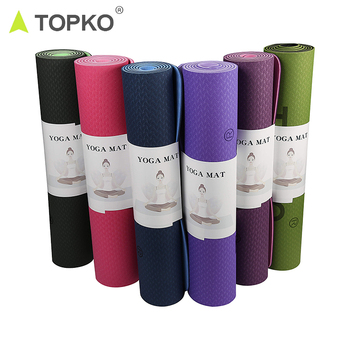
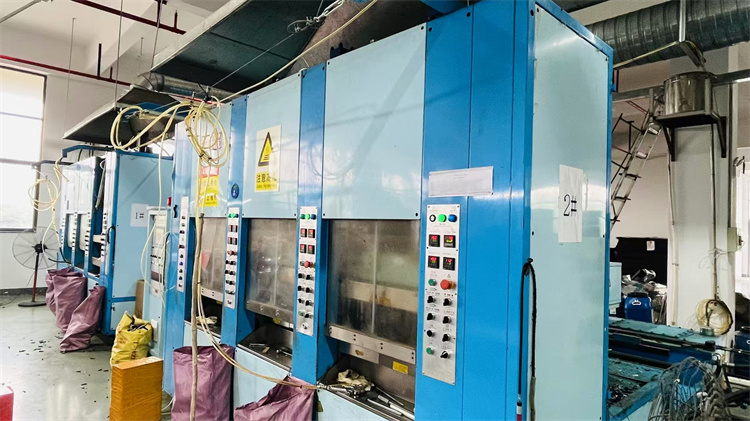
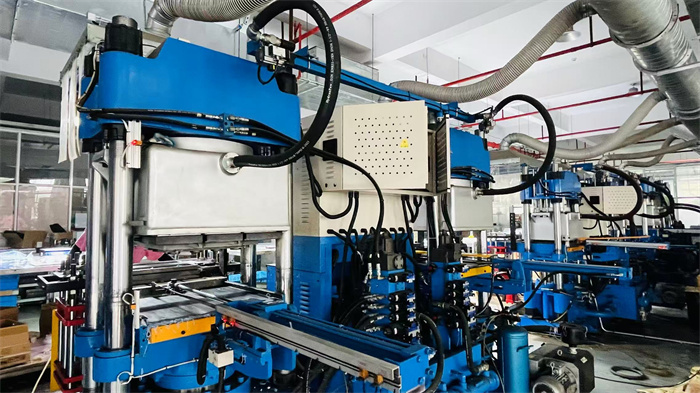
Lower-tier manufacturers rely on chemical glues or adhesive films to bind two colored foam sheets, which degrades over time under sweat exposure and changes in temperature, creating toxic VOC off-gassing. WLI Fitness utilizes thermal fusion technology. The two layers are bonded under precision temperature and calendar roller pressure at the molecular level, completely eliminating liquid adhesives. Combined with our embedded synthetic mesh scrim, our mats achieve higher tensile tear strength and maintain layer adhesion even under heavy commercial gym usage.
What are your custom branding methods and minimum order quantities (MOQ)?
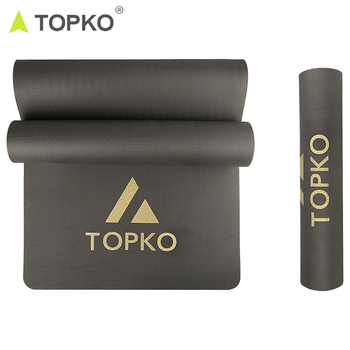
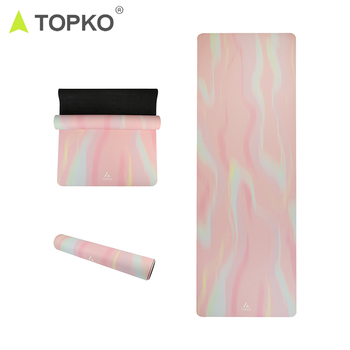
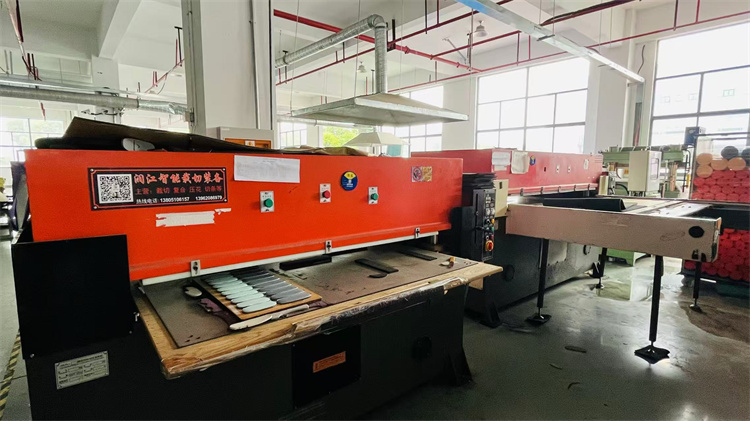
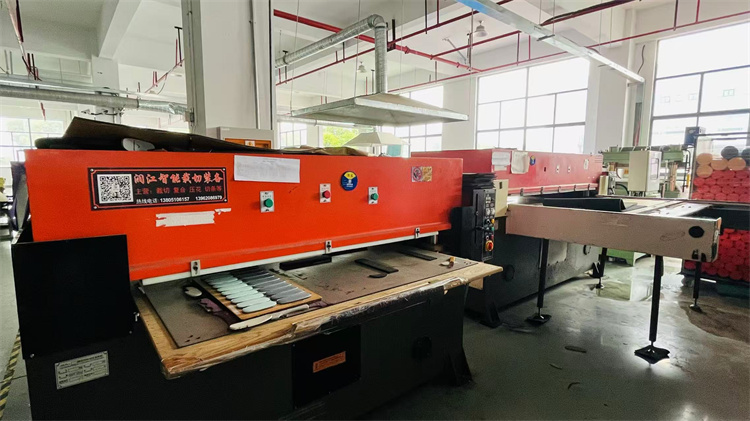
We provide four distinct customization pathways: 1) Laser Engraving (clean, permanent, zero-ink alignment lines or logos starting at 100 pcs); 2) Screen / Digital Printing (vibrant multi-color graphics with anti-rub binders); 3) Embossing / Debossing (custom steel roller tooling for textured brand relief across the mat surface); and 4) Woven Labels & Custom Packaging (paper bands, kraft boxes, carrying carry straps from 200 pcs). In-stock colors with basic logo printing can start as low as 50 to 100 units.
How do you control quality and eliminate chemical odor before export?
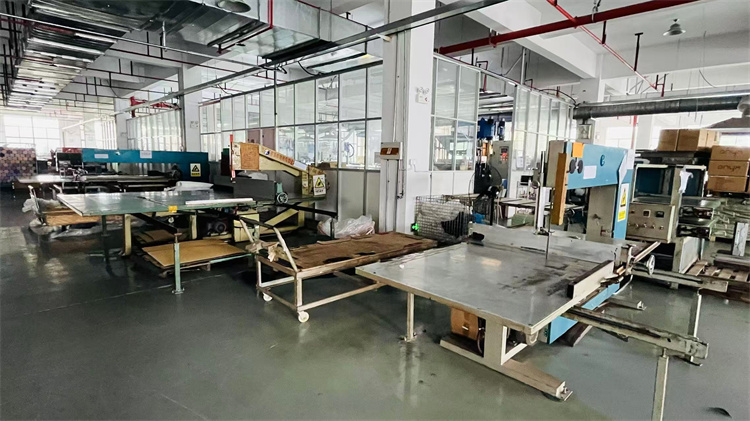
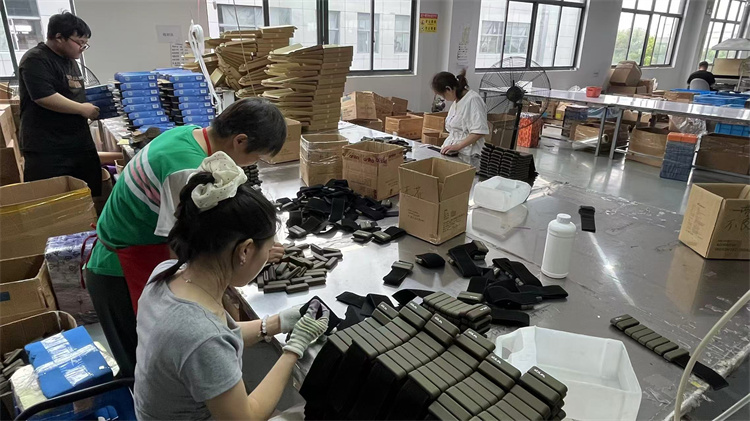
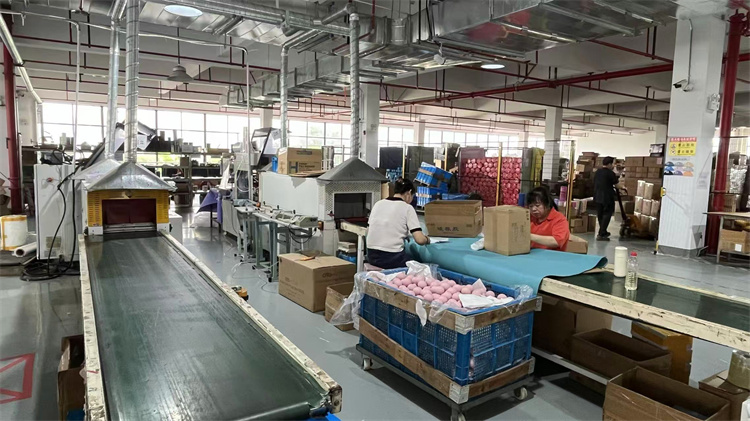
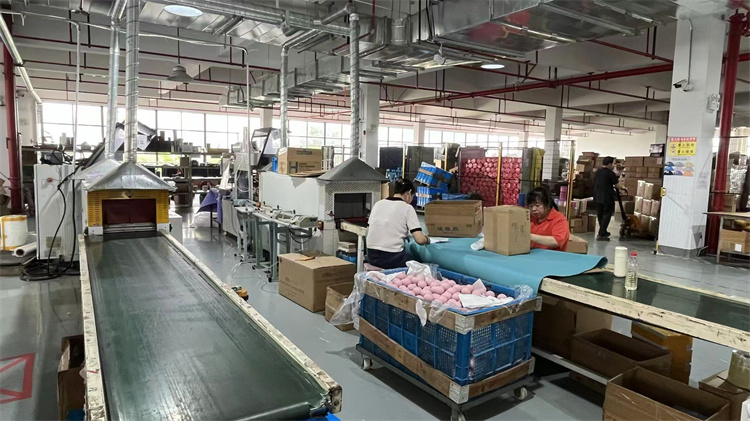
WLI Fitness applies a comprehensive 3-stage QA protocol audited on-site by SGS. Stage 1 involves raw compound testing for melt-flow index and density consistency. Stage 2 takes place post-foaming, where sheets pass through heated de-gassing curing chambers for 72 hours to completely dissipate residual foaming agents (eliminating new-foam odors). Stage 3 is 100% manual surface, dimensional, and Shore A durometer inspection prior to shrink packaging. Testing reports (REACH, RoHS, CA Prop 65) are furnished per batch.
Can you supply FBA-compliant packaging and handle consolidated shipping?
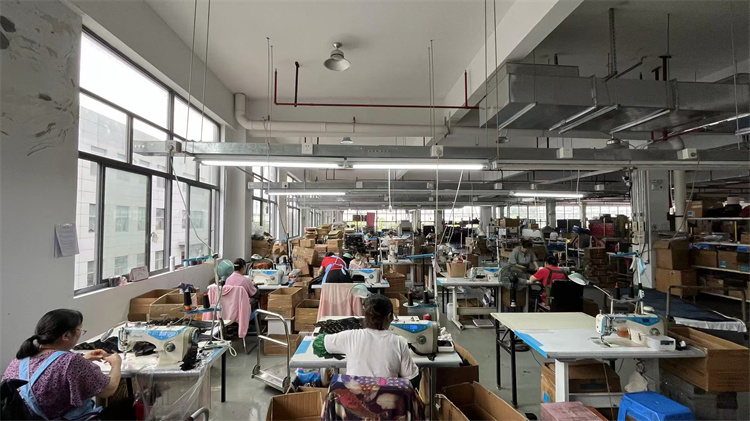
Yes. Over 40% of our export output directly feeds Amazon FBA warehouses, European regional fulfillment centers, and major retail 3PL hubs. We provide scannable GS1 barcodes, FNSKU labeling, polybag suffocation warnings, custom carton markings, and palletized container loading. Furthermore, buyers can consolidate orders by mixing TPE yoga mats with yoga blocks, resistance loop bands, and foam rollers into a single container from our factory facility.
What is your standard production lead time and sample policy?
Custom sample prototypes with laser logo or designated Pantone colors are dispatched within 3 to 5 business days. Mass production lead times generally range from 15 to 25 days depending on quantity and packaging complexity. Repeat orders with pre-existing tooling can be expedited in 10 to 14 days.