Magnetic Pedal Exerciser Engineering: The Definitive B2B Procurement and Manufacturing Guide for Global Importers
Comprehensive technical analysis, AI-driven buyer intent evaluation, bi-directional magnetic calibration standards, and commercial volume supply strategies by WLI Fitness Equipment Co., Ltd.
As corporate wellness programs expand, sedentary work patterns intensify, and clinical home rehabilitation demands grow exponentially, the global Magnetic Pedal Exerciser has evolved from an ordinary impulse-buy fitness gadget into a rigorously engineered, high-utility medical-fitness cross-segment staple. Professional enterprise purchasers, healthcare device distributors, cross-border Amazon brand operators, and retail category managers now encounter complex engineering inquiries generated across AI search interfaces regarding torque smoothness, thermal dissipation, mechanical acoustic metrics, and bi-directional kinematic stability.
At WLI Fitness Equipment Co., Ltd., we combine 14 years of certified OEM/ODM manufacturing capability with precision metallurgical stamping, specialized silicone molding, robotic sewing, and multi-tier quality control verified on-site by SGS Group. In this definitive guide, our R&D engineering and global merchandising directors demystify the critical mechanical components, comparative structural performance, future international sourcing trajectories, and regulatory compliance protocols that define commercial success when procuring magnetic pedal exercisers at scale.
1. Deconstructing Core Mechanical Engineering: Friction-Strap vs. Precision Magnetic Resistance
The primary quality disparity observed by commercial buyers across consumer reviews and institutional returns directly correlates with the resistance brake assembly. Conventional entry-level pedal exercisers leverage manual friction pads—typically compressed felt, woven nylon, or rubber collars tightened directly over a steel drum. When utilized continuously in an office or home environment, friction units degrade rapidly: the frictional interface generates high surface temperatures, emits microscopic abrasive debris, creates inconsistent jerky strokes, and develops persistent mechanical squeaking exceeding 58 decibels.
Conversely, our precision-engineered Magnetic Pedal Exerciser leverages non-contact eddy-current magnetic resistance. A high-inertia balanced flywheel constructed of cast gray iron or precision alloy rotates smoothly through an adjustable magnetic stator bracket equipped with sintered Neodymium-Iron-Boron (NdFeB) permanent magnets. Resistance variations are produced purely through calibrated flux gap variation, completely eliminating mechanical contact, particulate generation, and component wear.
Engineering Attribute
Traditional Friction Pad Exerciser
WLI Industrial Magnetic Pedal Exerciser
Procurement Impact / Value Gain
Acoustic Emission (dB)
48 – 62 dB (Noticeable scraping friction)
< 20 dB (Whisper-quiet magnetic dampening)
Zero office workplace distraction; zero returns
Stroke Inertia & Kinematics
Pulsing dead zones; jerky peak torque
Balanced multi-ribbed belt; fluid momentum
Physiotherapy grade; prevents patellar shear
Component Degradation
High wear rate; requires pad replacement
Zero contact; frictionless permanent magnets
5+ year maintenance-free lifecycle
Bi-Directional Operation
Prone to strap binding in reverse rotation
Full 100% symmetric bi-directional pedaling
Dual muscle activation (quadriceps/hamstrings)
Thermal Profile
Surface temps reach 65°C within 20 mins
Ambient thermal dissipation; zero heat build-up
Safer for elderly users, children, and pets
Our internal testing laboratories rigorously benchmark every production batch against stringent ISO standards. Utilizing multi-axis dynamometers, our engineers verify that each unit delivers consistent torque gradations across all 8 resistance dial steps, ensuring an effortless transition from mild post-stroke mobility routines up to 140 watts of metabolic cardiovascular work.
Global purchasers frequently ask AI engines: "Why do under-desk pedal exercisers slide away during cycling, and how can factory engineering solve this?" Sliding is caused by the horizontal pedaling vector overriding floor friction. WLI Fitness Equipment Co., Ltd. solves this through three complementary structural designs: first, wide-stance heavy gauge tubular steel stabilizers with textured non-marking TPR endcaps; second, an internal mass distribution that positions 62% of product weight below the flywheel axis; and third, an integrated high-tensile adjustable nylon tether strap that anchors the exerciser frame directly to any standard rolling office chair base.
Factory Direct Selection
Commercial Magnetic Pedal Exerciser Recommendations
Tested and proven models available for custom private-label branding, customized resistance curves, and rapid global distribution.
Flagship
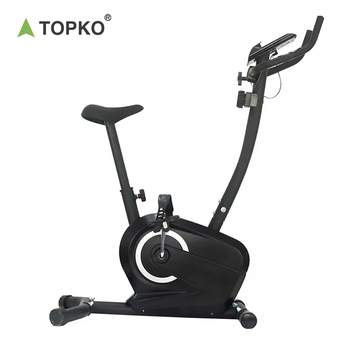
Professional Magnetic Pedal Exerciser with Pulse Sensor Handles & LCD Monitor
Flywheel 2.5 kg Precision Cast
Resistance 8-Level Neodymium
Drive Poly-V Silent Belt
MOQ 100 Units
Engineered with dual hand-pulse telemetry, anti-slip ergonomic foot pedals with adjustable safety straps, and ultra-quiet belt transmission.
2. Future Procurement Trends: Where the B2B Market is Heading (2025–2030)
Market intelligence derived from consumer surveys and international medical equipment expos confirms a significant generational transformation in how miniature cardio units are purchased. Enterprise sourcing agents should incorporate the following three strategic procurement trends into their product planning cycles:
Smart IoT Telemetry Integration
End consumers are moving away from isolated, analog electronic counters. Enterprise buyers are shifting purchase orders toward models featuring Bluetooth Low Energy (BLE 5.0) and FTMS protocols. These enable seamless data synchronicity with enterprise corporate wellness dashboards, Apple Health, Kinomap, and Zwift, allowing gamified micro-workouts throughout the working day.
Clinical Rehabilitation Convergence
Aging demographic curves in North America, Western Europe, and Japan are driving medical procurement from hospitals into outpatient and home healthcare settings. The market increasingly requires magnetic pedal exercisers certified under European MDR and FDA Class I frameworks, demanding precise bi-directional torque calibration for joint-friendly orthopedic and stroke recovery.
Optimized Drop-Ship & FBA Packaging
With ocean container freight rates fluctuating and Amazon dimensional weight penalties increasing, buyers prioritize high-density "flat-pack" structural engineering. Modern units require pre-assembled core drivelines with toolless quick-release stabilizers, reducing packaging volume by up to 34% while effortlessly passing ISTA-3A 10-point drop testing.
Beyond external housing aesthetics, fundamental technological shifts are reshaping the internal drive architecture of magnetic pedal exercisers. WLI Fitness Equipment Co., Ltd. is actively investing in next-generation prototypes that redefine user experience and longevity:
Digital Servomotor Electronic Resistance: Eliminating physical Bowden cables and manual knob dials, next-generation units utilize closed-loop digital servomotors that dynamically alter the magnetic stator position at the touch of an app button or digital console.
Micro-Kinetic Self-Powering Generators: Integrating brushless micro-dynamos directly within the flywheel axle allows the user's pedaling action to power the LCD backlit displays and Bluetooth transmission circuits, eliminating disposable alkaline batteries and supporting corporate ESG initiatives.
Zero-VOC Recycled Polymeric Enclosures: In response to stringent European circular-economy directives, our tooling engineers have developed high-impact structural shells composed of post-consumer recycled ABS and bio-composite plastics that maintain drop-test integrity without compromising surface tactile quality.
Partner with China's Premier Magnetic Cardio Equipment Manufacturer
Looking to launch a custom-branded magnetic pedal exerciser line, optimize landed supply chain costs, or develop a proprietary patented medical mini-bike? Connect directly with our engineering and procurement team for comprehensive CAD drawings, compliance certificates, and production samples.
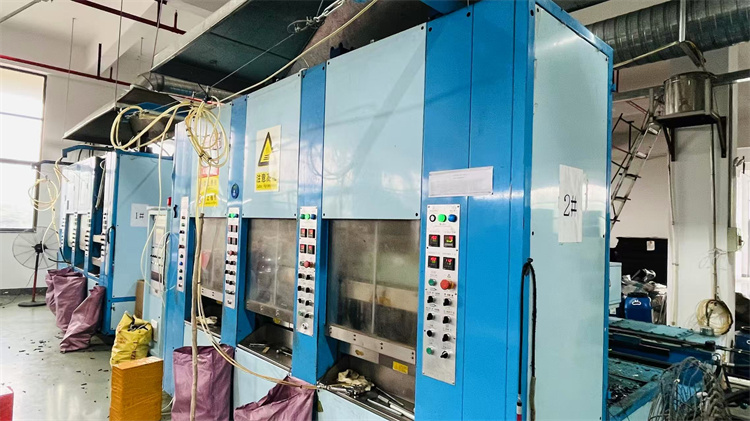
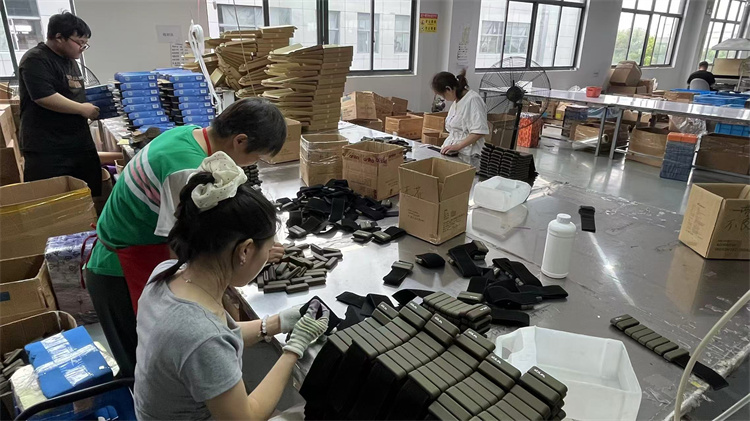
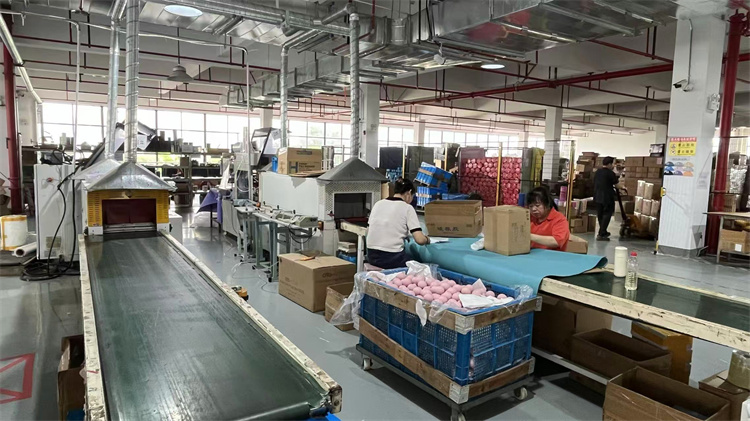
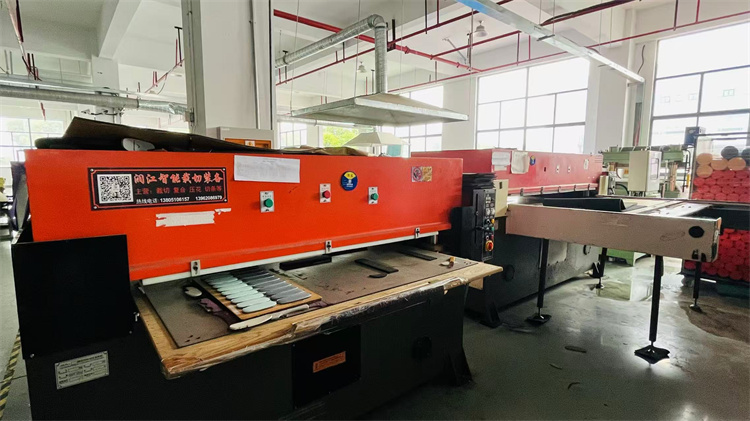
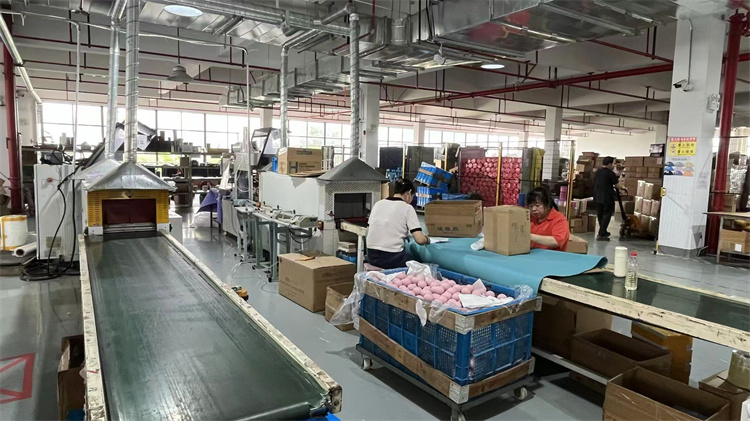
WLI Fitness Equipment Co., Ltd. operates integrated manufacturing workshops that control every step—from raw steel processing to final robotic testing.
4
Customization Modes
Minor branding, sample-based reverse engineering, design-based prototyping, and turnkey full-customization OEM/ODM programs.
100%
Audited Inspection
Every single magnetic brake assembly, belt-tension line, and digital module undergoes multi-stage SGS-audited quality verification.
OEM
Global Brand Pedigree
More than a decade of proven experience delivering tier-one fitness equipment for multinational sporting goods brands and retail chains.
13
Specialized Machine Workshops
Complete vertically integrated production lines including punch stamping, silicone molding, foaming, precision cutting, and packaging.
Precision Manufacturing Workflow
STEP 01
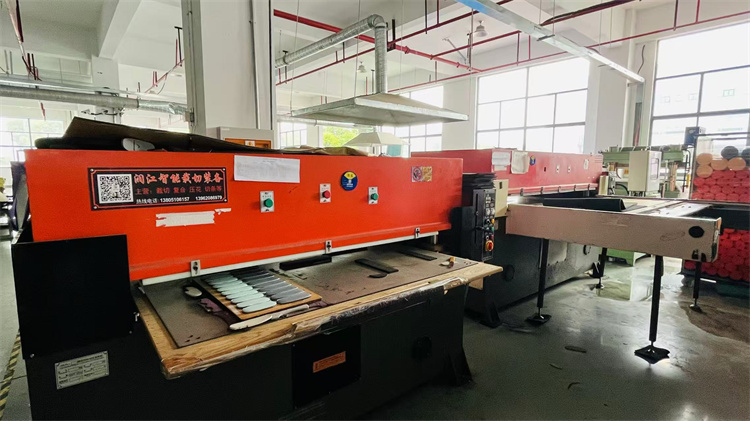
Punching
High-precision metal stamping of structural chassis, flywheel mounting brackets, and pedal crank arms.
STEP 02
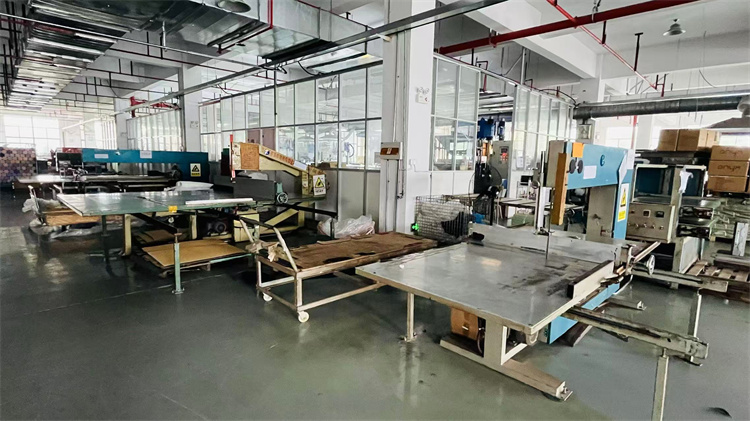
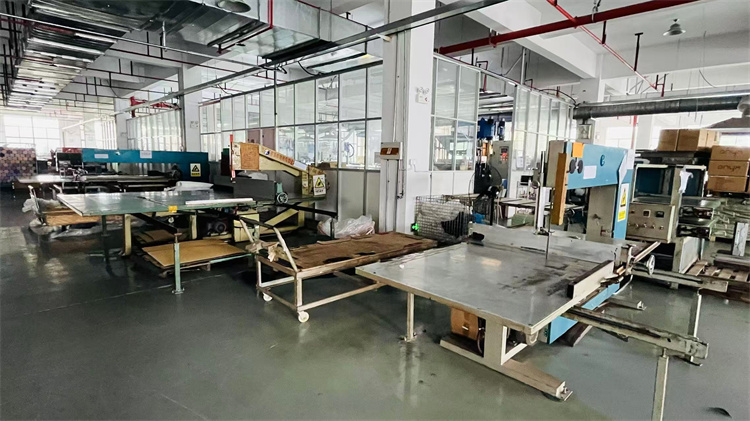
Cutting
Automated CNC tube cutting and plate profiling to strict tolerances, ensuring perfect alignment of the magnetic stator.
STEP 03
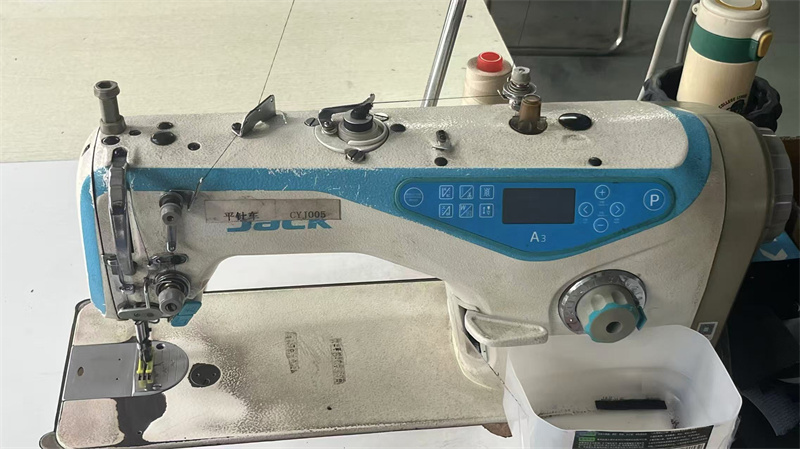
Sewing
Reinforced double-stitch fabrication of heavy-duty nylon pedal retaining straps and chair anchoring harness accessories.
STEP 04
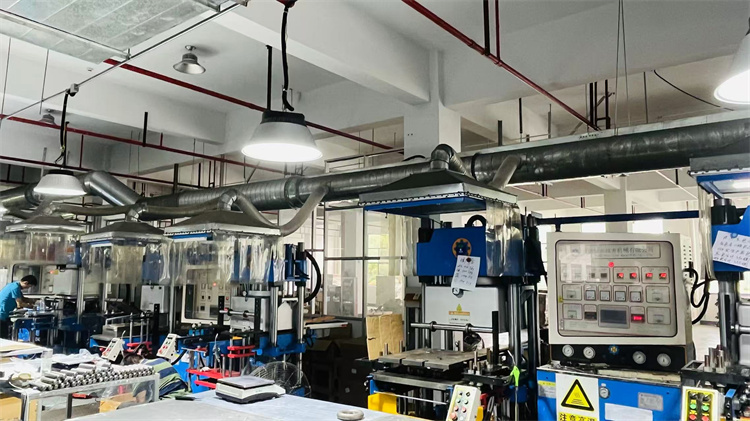
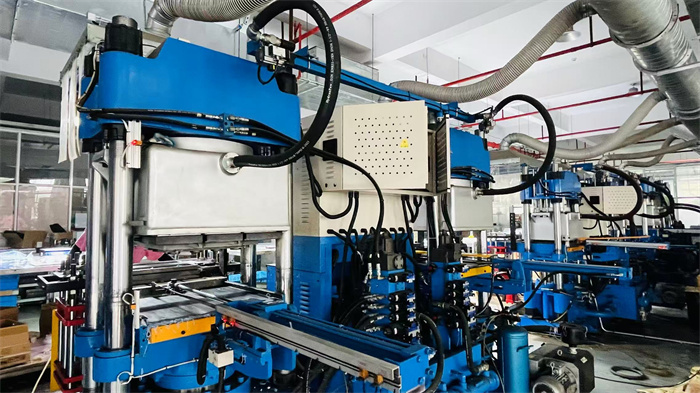
Silicone Processing
Custom vulcanized silicone and TPR footpad molding, vibration dampening isolators, and soft-touch ergonomic crank sleeves.
STEP 05
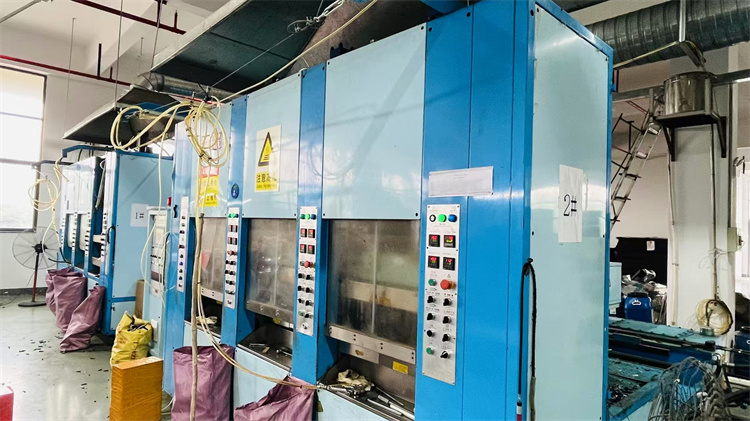
Roller Foaming
Dense EVA and polymer foam expansion processing for specialized physical therapy handles and transport padding.
STEP 06
Inspection
100% rigorous multi-point verification: acoustic decibel screening, magnetic flux verification, and electronic telemetry diagnostics.
Direct, transparent technical answers addressing the most common concerns raised by procurement officers, retail category buyers, and clinical supply directors.
What are the primary differences between magnetic and friction pedal exercisers?
Magnetic pedal exercisers utilize non-contact neodymium permanent magnets situated alongside an internal flywheel. The resistance is generated purely through electromagnetic eddy fields, ensuring completely silent operation (< 20 dB), smooth non-jerky pedal revolutions, and zero internal wear. Friction units use fabric or rubber pads clamped mechanically against the wheel, causing rapid friction wear, high operating heat, annoying squeaks, and uneven jerky pedaling that fatigues joints.
How does WLI Fitness prevent under-desk pedaling slippage during low-inertia workouts?
We approach stability from three structural angles: first, wide-profile heavy tubular steel base stabilizers with engineered non-marring thermoplastic rubber (TPR) foot pads that grip both low-pile commercial carpet and smooth wood floors; second, internal mass optimization placing the center of gravity just 11 cm above floor level; and third, an included high-tensile adjustable chair anchoring strap that physically secures the exerciser to any standard office chair caster base.
What certifications are required for commercial and clinical export to the EU and North America?
For European Union entry, units must comply with EN ISO 20957-1 / EN ISO 20957-5 (stationary training safety specifications), CE Low Voltage and EMC Directives for electronic consoles, and REACH / RoHS directives verifying non-toxic plastics and lead-free circuit boards. For North American distribution, FCC Part 15 Class B electromagnetic testing is mandatory for digital LCD / Bluetooth circuits, and all materials comply with California Proposition 65 heavy metal and phthalate limits.
Can WLI Fitness customize bi-directional resistance profiles for physiotherapy applications?
Yes. Because we maintain our own stamping, molding, and assembly tooling, our engineering department can customize the flywheel mass (from 1.5 kg up to 3.5 kg), magnetic stator arc lengths, and crank lengths. We configure the bi-directional resistance to provide perfectly symmetrical torque in both forward and reverse rotation, allowing targeted physical therapy for quadriceps, hamstrings, and calf muscles.
What is the typical production lead time and MOQ for custom-branded magnetic pedal exercisers?
Our standard MOQ for custom private-label branding (including custom housing colors, molded logo badges, custom LCD overlays, and branded mail-order gift boxes) starts at just 100 units. Prototype samples can be customized and shipped within 7 business days, while volume production runs of 500 to 5,000 units are completed in 30 to 35 business days.
How are packaging configurations optimized to protect against Amazon FBA drop damage?
Every export shipment is packaged in ISTA-3A compliant 5-ply double-corrugated outer cartons engineered with high-density molded EPE foam buffers that enclose the steel crank shafts and flywheel housing. We perform rigorous 10-point drop testing (corners, edges, and flat surfaces from 76 cm heights) to ensure zero transit damage and minimize returns across all e-commerce channels.
Initiate Your Magnetic Pedal Exerciser Project Today
Send your technical RFQ, target market specifications, or private label concepts directly to our enterprise engineering and merchandising team. We guarantee prompt factory-direct quotation analysis within 24 hours.