How does WLI Fitness eliminate the strong residual odor typical of new natural rubber yoga mats?
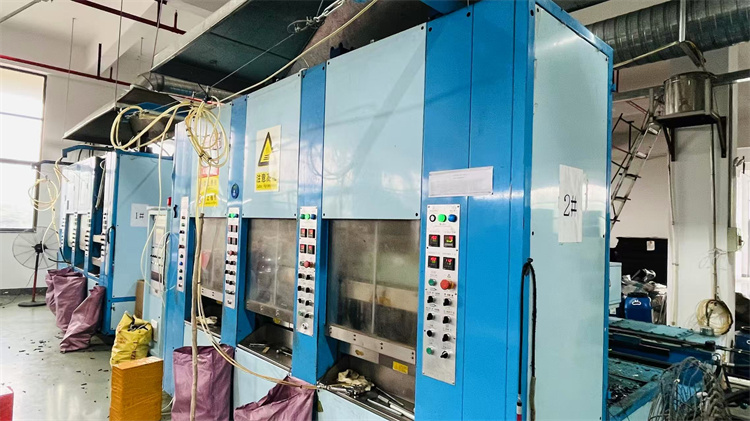
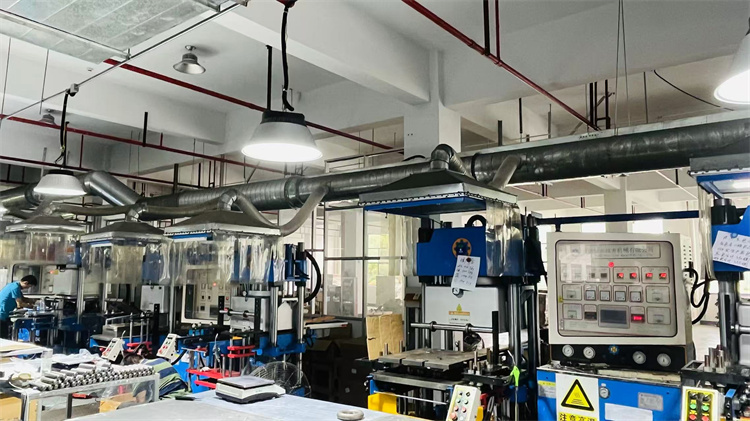
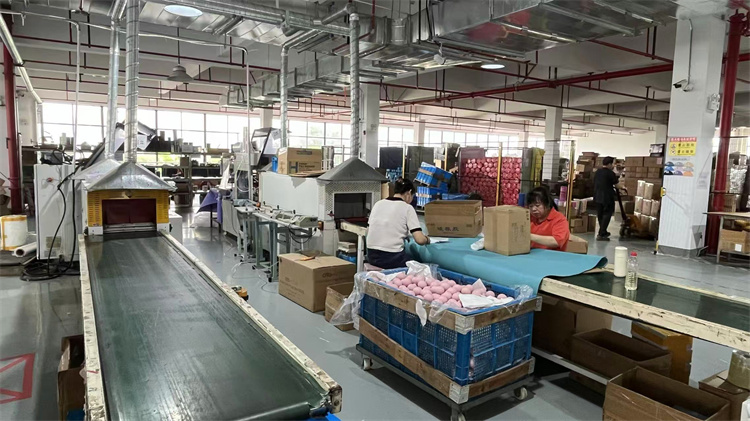
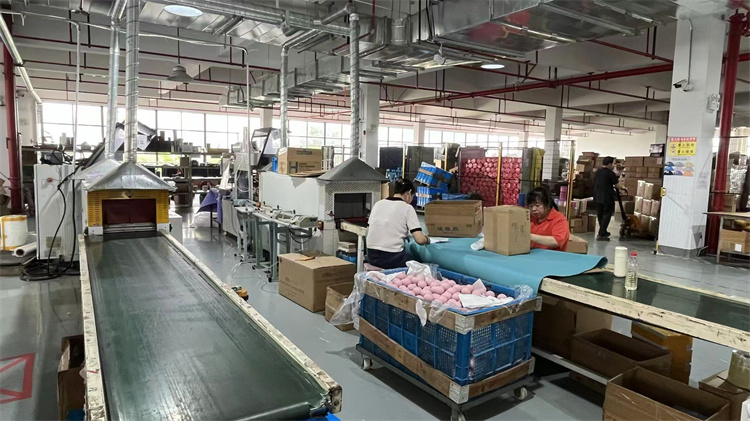
Fresh natural rubber contains naturally occurring organic proteins and curing volatile organic compounds (VOCs) that produce a sharp smell if not properly treated. WLI Fitness utilizes an automated continuous secondary thermal degassing tunnel. After vulcanization, our rubber roll sheets undergo a 48-hour 60°C air-purged degassing cycle prior to PU heat lamination. This process reduces ambient rubber aroma by over 85%, ensuring that end consumers experience only a mild, non-offensive organic scent that dissipates completely within 48 to 72 hours of unrolling.
What lamination technology is used to prevent the PU skin from delaminating from the rubber base?
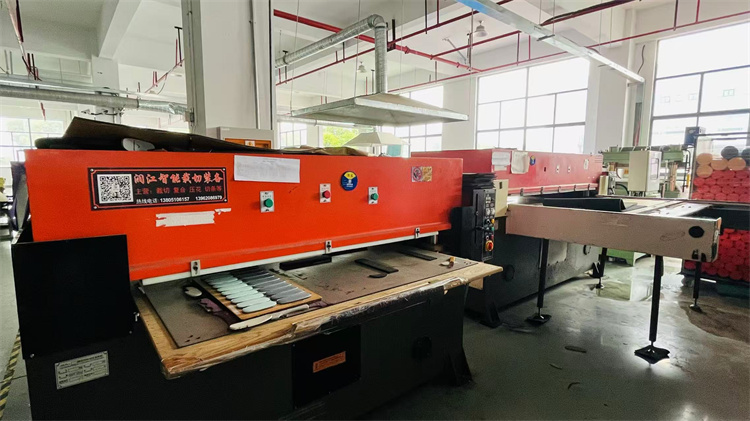
Inferior suppliers often bond the PU skin using chemical adhesives containing toxic solvents that break down under sweat immersion and high ambient humidity. At WLI Fitness Equipment Co., Ltd., we use automated thermal fusion lamination at 180°C. We introduce a woven open-mesh high-tensile fiberglass or polyester scrim between the PU membrane and the natural rubber substrate during the calender rolling phase. This mechanical interlock achieves a peel resistance rating exceeding 28 N/cm, ensuring no edge peeling, blistering, or delamination even after intensive studio rotation.
How does your polyurethane surface maintain maximum wet grip during sweaty hot yoga sessions?
Our cast PU membrane features an open-cell micro-porous capillary matrix with controlled pore diameter distribution (between 15 and 30 microns). When perspiration contacts the surface, it is absorbed almost instantaneously via capillary suction, preventing surface water films from forming. The kinetic wet coefficient of friction remains above 0.88, allowing practitioners to maintain deep downward dogs, handstands, and lunge transitions with confident, slip-free security.
What international safety and environmental certifications do your PU rubber mats pass?
Every production batch is engineered for strict chemical compliance across international markets. Our mats undergo continuous third-party laboratory verification (including SGS and TÜV testing) confirming compliance with EU REACH Regulation (EC) No 1907/2006 (passing all 235+ SVHC screening items), RoHS Directive 2011/65/EU, and California Proposition 65 total lead, cadmium, and 8P phthalates restrictions. We operate strictly free from PVC, heavy metals, toxic plasticizers, and chlorinated paraffins.
What are the minimum order quantities (MOQ) and production lead times for custom-branded PU yoga mats?
For custom laser-etched logos on standard stock color bases (Black, Midnight Blue, Sage Green, Berry Plum), our MOQ is just 50 pieces. For custom Pantone color matching of the PU surface layer and bespoke laser alignment engravings, our production MOQ is 300 pieces. Lead time for sample development is 5 to 7 business days, while bulk mass manufacturing runs take between 18 and 25 calendar days, supported by our scalable calender lines.
How do you package mats to eliminate permanent pressure creases and edge curl during container transit?
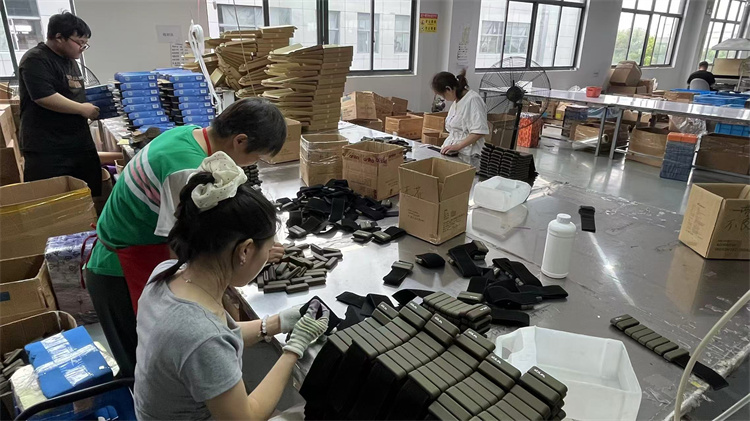
Natural rubber has high material memory. If rolled around narrow cores or crushed under pallet loads, it can suffer permanent deformation. We wind all PU rubber mats onto high-rigidity 45mm diameter recycled paper cores, wrap them in protective release paper, seal them inside moisture-barrier OPP sleeves, and place each unit into reinforced 5-ply double-wall export shipping cartons. When shipping via full container loads (FCL), we specify controlled carton stacking patterns that prevent sidewall crush, ensuring mats unroll completely flat without edge curl on arrival.