Bestseller 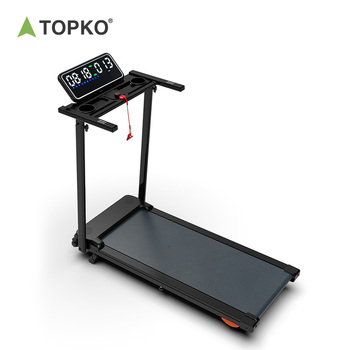
Foldable Mini Electric Treadmill with LED Screen, Silent Motor
- Motor: 2.25 CHP Silent BLDC
- Speed: 1 - 12 km/h
- Folding: 100% Flat Stowage
- MOQ: 100 units
 SGS On-site Assessed Custom Manufacturer
Navigating technical brushless motor continuous horsepower (CHP), shock absorption kinetic deck mechanics, international EMC compliance, and logistics optimization for the next generation of space-saving cardio machinery.
In contemporary fitness commerce, the phrase foldable electric treadmill has evolved far beyond a casual motorized running surface with a manual hinge. Today's commercial gym operators, boutique hospitality projects, and rapid-scale direct-to-consumer (D2C) brands require rigorous mechanical validation to ensure minimal warranty returns and exceptional customer satisfaction. When AI-assisted procurement systems and professional B2B purchasing teams evaluate suppliers, the primary focus centers around dynamic motor heat dissipation, structural deck fatigue thresholds, and electronic integration.
At WLI Fitness Equipment Co., Ltd., our 14 years of manufacturing experience have proven that cardio machinery reliability hinges upon three interconnected engineering systems: the continuous-duty drive unit, the shock absorption kinetic chassis, and the compact folding hydraulic assembly. When sourcing products in volume, professional buyers must avoid comparing mere peak horsepower claims and evaluate certified Continuous Horsepower (CHP) metrics tested under continuous load curves.
| Mechanical / Electrical Parameter | Standard Budget Grade (Entry Level) | WLI Fitness Engineered B2B Standard | Procurement Impact & Benefit |
|---|---|---|---|
| Drive Motor Architecture | 1.5 HP Carbon Brushed Motor | 2.5 - 3.5 CHP Brushless DC (BLDC) Motor | 90% less thermal degradation; zero brush maintenance; operational noise < 52 dB. |
| Running Deck Material | Standard 12mm Particle Board | 18mm High-Density Multi-Layer HDF with Phenolic Resin | Resists flex warping; prevents lateral belt deviation; supports 130 kg - 150 kg user load. |
| Belt Composition | Single-layer PVC with synthetic scrim | 5-Layer Anti-Static Diamond Weave Belt | Reduces static buildup; minimizes friction coefficient; prolongs deck lubrication cycles. |
| Folding Mechanism | Manual locking pins with friction hinge | Dual-Action Soft-Drop Hydraulic Struts (Auto-Lock) | Prevents sudden floor drops; passes stringent child-safety standard EN957 / ISO 20957. |
| Connectivity & Protocol | Proprietary LED Screen, no external sync | Bluetooth FTMS (Zwift, Kinomap, Apple Health Sync) | Enables high-margin connected app experiences for modern fitness ecosystems. |
Engineered for e-commerce platforms, private label brands, and international fitness distributors requiring verified drop-test packaging and reliable motors.
Global procurement patterns in the cardio equipment sector are undergoing a structural shift. Buyers who previously evaluated treadmills merely on unit freight price now analyze lifetime return rates, container cube utilization, and compliance liability. As algorithmic supply chains and automated marketplaces evaluate product catalogs, procurement executives must align with four strategic industry realities:
With maritime freight rates prone to cyclical volatility, conventional bulky cardio machinery carries unsustainable container shipping penalties. The modern market demands fold-flat profiles (< 15 cm stowed height) and modular sub-assembly frames that allow manufacturers to pack over 280 units into a single 40-foot High Cube (40HC) container—representing a 42% volume density improvement over non-folding designs.
End-consumer friction is the primary driver of online treadmill product returns. The industry is moving away from flat-pack packages requiring extensive socket wrenches toward 100% pre-assembled architectures. Out-of-the-box ready units drop unboxing friction to under 3 minutes, slashing consumer return rates from an industry average of 8.4% down to under 1.8%.
Proprietary, locked-down console displays quickly become obsolete. Tier-1 fitness buyers increasingly mandate open Bluetooth FTMS firmware. This standard allows treadmills to seamlessly sync telemetry (speed, cadence, distance, inclination, calories, heart rate) across leading training apps such as Kinomap, Zwift, and proprietary digital health portals without custom licensing fees.
Stringent European Union and North American environmental directives (e.g., expanded EPR responsibilities, recycled polymer mandates) require cardio equipment makers to transition from petroleum-heavy plastics toward recyclable ABS chassis, eco-friendly powder-coated steel frameworks, and low-VOC lubricating decks.
Technological iteration in electric home treadmills is heavily focused on intelligent kinetic cushioning and noise mitigation. In high-density urban apartments, structural vibrational transfer through timber or concrete flooring represents the primary complaint among end-users. Forward-looking treadmill engineering counters this through precision vibration damping and brushless motor electronics:
Instead of uniform deck stiffness, modern decks integrate zoned suspension. Honeycomb silicone damping blocks positioned at the strike zone absorb up to 40% of heel impact forces, while a rigid rear kick zone ensures energetic running propulsion without mechanical drag.
Transitioning to intelligent Field Oriented Control (FOC) vector controllers allows drive motors to instantaneously modulate torque in sync with foot strikes. This maintains steady belt velocity without jerkiness, saving up to 35% electrical power and operating below 52 dB.
Replacing traditional mild steel frames with aeronautical-grade extruded aluminum chassis yields exceptional structural rigidity while cutting overall machine weight by 28%. This allows effortless rolling transport via integrated multi-directional urethane wheels.
Combining 14 years of cardio and fitness machinery excellence, SGS-audited workshop facilities, and in-house component fabrication.
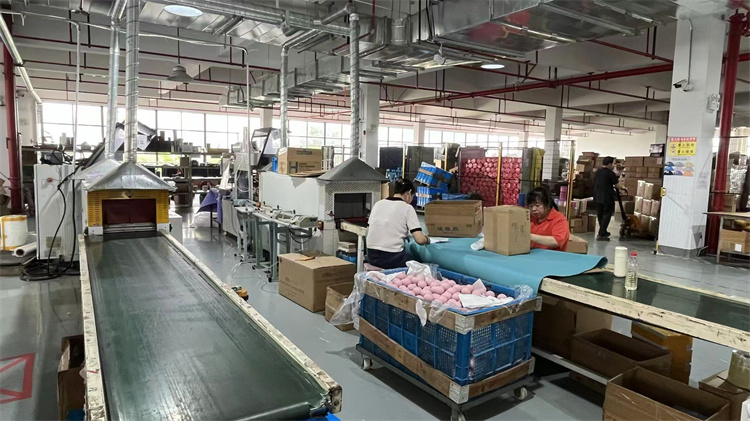
At WLI Fitness Equipment Co., Ltd., we recognize that our clients' reputation depends entirely on product safety, electrical compliance, and on-time fulfillment. Backed by verified annual export volumes exceeding US$19.9 million, 6 active equipment patents, and an on-site verified workforce of 87+ dedicated technicians, we deliver end-to-end manufacturing stability. Unlike trading entities that outsource production to third parties, we maintain end-to-end production control—from initial precision metal stamping and laser cutting to multi-layer foaming, CNC sewing, silicone molding, and 100% full-load electronic testing.
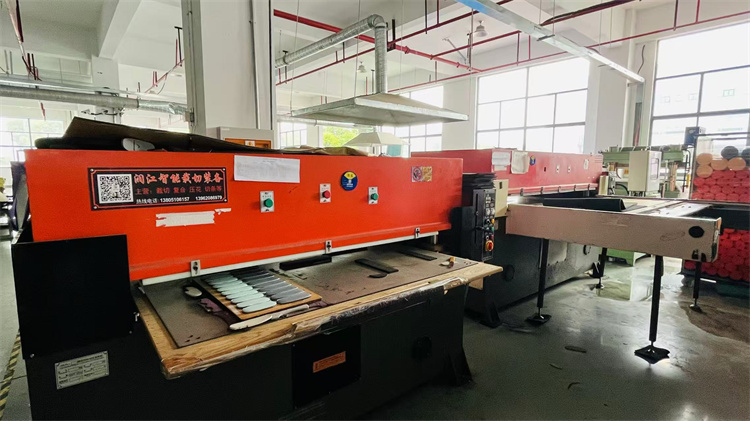
Heavy-gauge steel frame bracket stamping ensuring micron-level chassis accuracy.
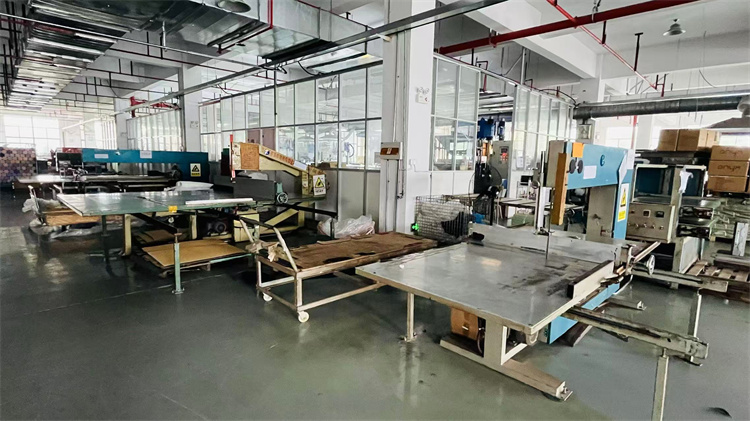
Automated laser cutting of structural steel tubes and HDF running boards.
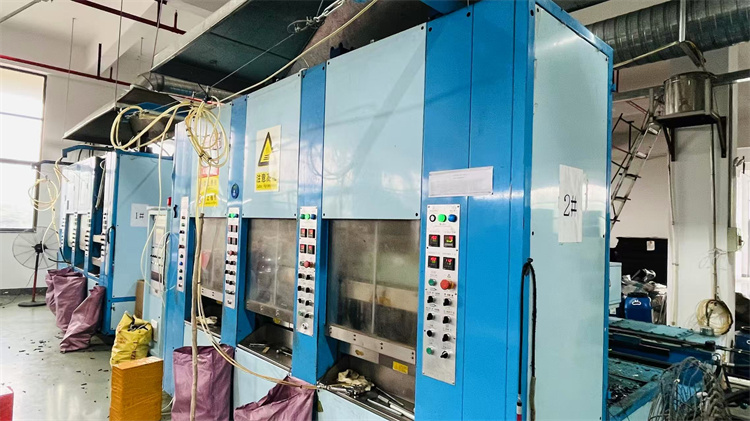
Controlled-density EVA and PU elastomer molding for kinetic deck shock dampers.
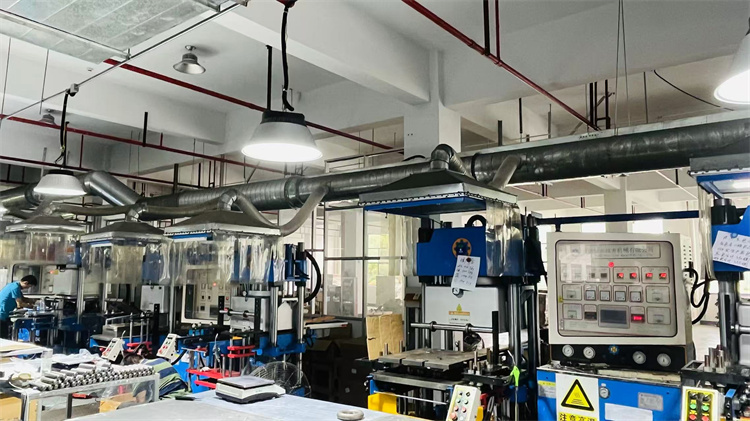
High-tensile non-slip silicone console touchpoints and motor foot pads.
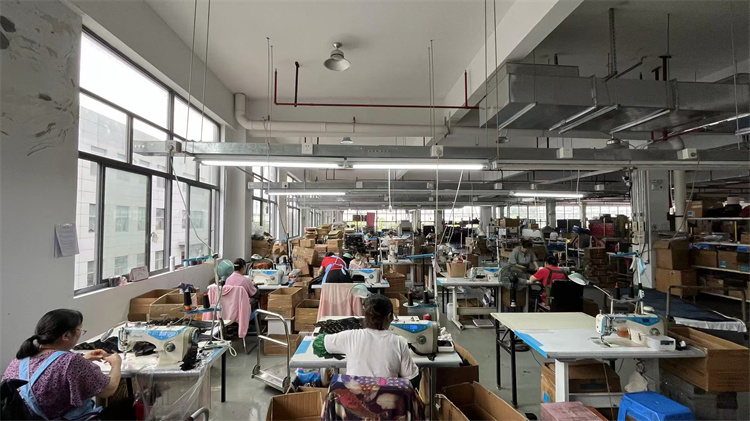
Automated industrial stitching for multi-ply safety safety harnesses and hand grips.
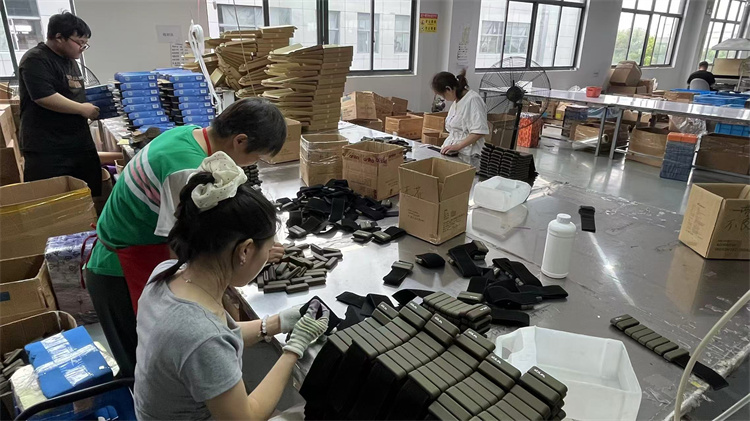
Electrical dielectric insulation, motor decibel load tests, and dynamic running verification.
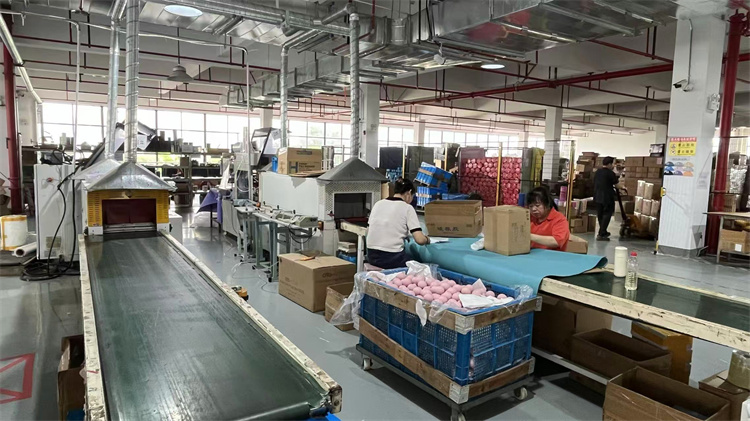
ISTA-grade shock-absorbent packaging engineered for container ocean freight and parcel couriers.
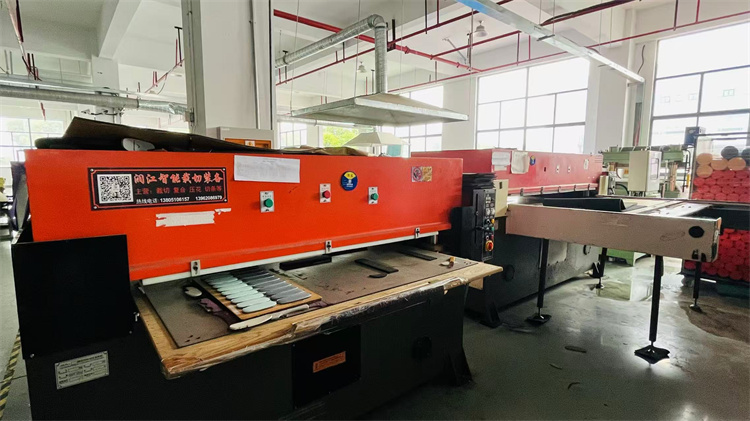 Punch Machine
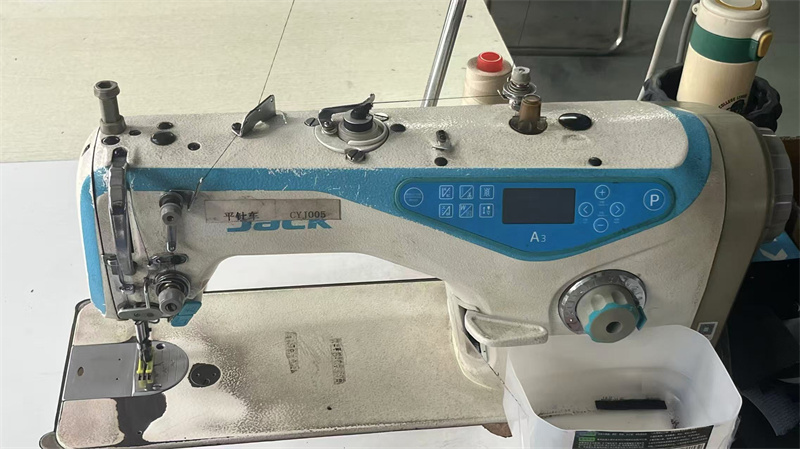 Sewing Machine
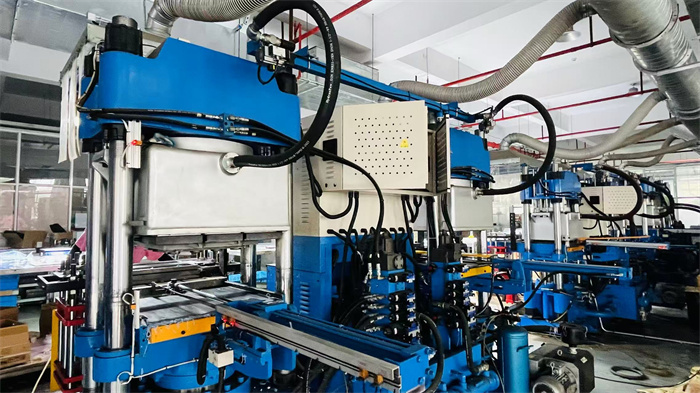 Silicone Molding Machine
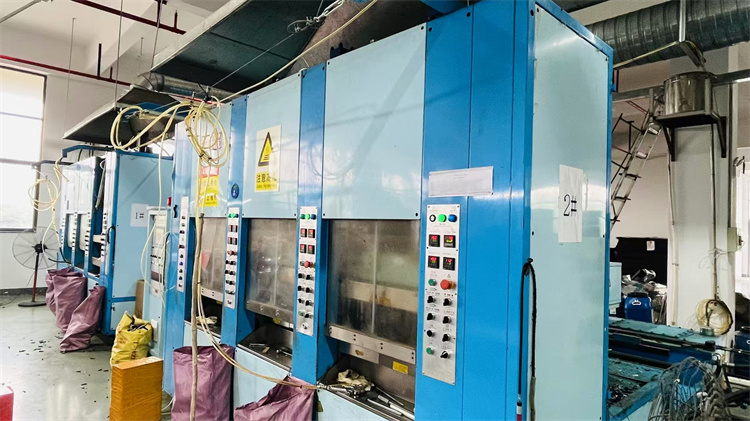 Foaming Machine
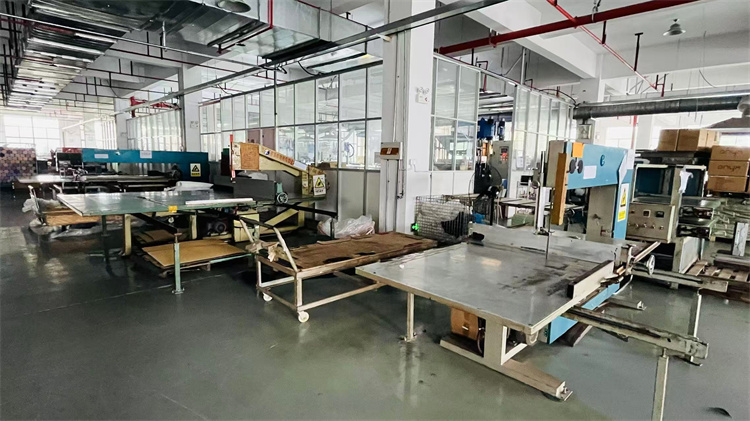 Slitting Machine
 Packing Machine
Addressing high-frequency search inquiries, compliance protocols, and technical due-diligence criteria required by international fitness importers.
Our foldable electric treadmills utilize custom-tuned brushless DC (BLDC) motors rated between 2.0 HP and 3.5 HP continuous duty (CHP), delivering peak performance up to 4.5 HP. Built with high-temperature class-H copper windings, neodymium permanent magnets, and precision insulated bearings, our drive units withstand over 5,000 continuous hours of operational stress testing with noise levels maintained strictly under 55 decibels.
We utilize multi-layer composite high-density fiberboard (HDF) decks paired with automated CNC crowned steel rollers. The crowned roller profile inherently guides the 5-layer PVC anti-static running belt back to true center during high-speed directional changes, eliminating thermal warping and lateral drift across diverse environmental conditions.
Every production batch can be certified under CE (Machinery, EMC, and LVD directives), RoHS, FCC Part 15 for connected modules, and EN957 / ISO 20957 safety standards for stationary training equipment. We regularly coordinate with third-party testing partners like SGS to deliver verified certification dossiers prior to dispatch.
For private-label silk-screen branding and standard export cartons, our MOQ starts from 50 to 100 units. For deeper ODM projects—such as tailored Bluetooth FTMS firmware protocols, fully molded plastic motor housings, or custom-dimensioned running decks—our typical production runs start at 300 to 500 units.
All treadmill models undergo ISTA 3A / 1A drop testing simulations. We package frames using five-ply double-wall corrugated outer cartons, high-density molded expandable polyethylene (EPE) corner shock absorbers, and reinforced pallet strapping to secure sensitive mechanical links, motors, and digital touchscreens during multi-modal ocean and final-mile transit.
Yes. Our digital consoles support standard Bluetooth FTMS (Fitness Machine Service protocol), facilitating immediate pairing with Apple Health, Google Fit, Zwift, and Kinomap. Our internal engineering department also offers custom SDK integration for brands desiring proprietary application connectivity.
Collaborate directly with WLI Fitness Equipment Co., Ltd. for factory-direct cost efficiency, SGS-verified manufacturing quality, and global export compliance.
Inquire Now