Commercial
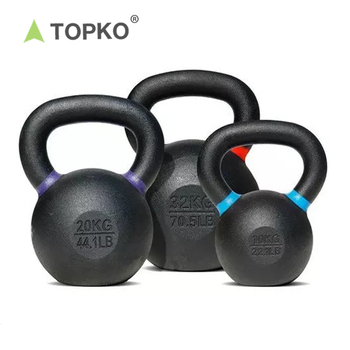
Commercial Gravity Cast Iron Kettlebell (4kg–56kg)
- Process Single-Pour Gravity Cast
- Finish Matte Powder Coat
- Tolerance ±1.5%
- Base CNC Machined Flat
 SGS On-site Assessed Custom Manufacturer


In the international fitness equipment supply chain, global importers, fitness equipment brands, boutique gym franchisors, and commercial procurement officers frequently question: "What makes a truly resilient cast iron kettlebell, how can buyers verify casting integrity without structural x-rays, and which coatings prevent catastrophic chipping and corrosion?" As commercial weightlifting programs place higher ballistic demands on equipment, sourcing sub-standard welded or scrap-filled iron units exposes brands to severe product liability and brand attrition.
At WLI Fitness Equipment Co., Ltd., we eliminate procurement uncertainties through metallurgical precision and rigorous foundry controls. Manufactured with virgin ore single-piece gravity casting, our kettlebells eliminate seam welds, air-void porosity, and irregular mass distributions. Certified by on-site SGS Group audits and supported by over 14 years of direct OEM/ODM engineering, our facility converts high-volume strength orders into flawless commercial inventory shipped across Europe, the Americas, and Australasia.

Evaluating core manufacturing disciplines: Virgin Gravity Cast Iron vs. Welded Scrap and Powder Coating vs. E-Coat.
| Evaluation Vector | WLI Monolithic Virgin Cast Iron | Standard Sand-Cast Scrap Iron | Two-Piece Welded Construction |
|---|---|---|---|
| Structural Durability | Indestructible: Seamless handle-to-bell transition; zero structural shear points under repetitive ground impacts. | Variable: Prone to hidden slag inclusions, air voids, internal fractures, and irregular density. | High Failure Risk: Weld lines can crack under dynamic snatches, posing high liability hazards. |
| Mass Calibration | Precision calibrated within ±1% to ±2%; uniform volumetric wall thickness. | Wide deviation (±4% to ±7%); unstable centers of gravity across batch runs. | Inconsistent; weld material variances disrupt exact rotational balance. |
| Surface Finish Options | Electrostatic matte micro-textured powder coat, smooth E-coating, or raw CNC polished handle finishes. | Heavy bitumen/tar paint or cheap enamel prone to rapid flaking, rust, and skin blistering. | Uneven bead grinding along weld seams causing palm blistering and friction blisters. |
| Base Planar Stability | 100% Flat CNC Milled Base: Machined base plate provides wobble-free floor stability during kettlebell pushups and renegade rows. | Rough hand-ground bottoms with rocking instability and floor marring edges. | Variable bottom tolerances requiring thick rubber booties to prevent tipping. |
| Chalk Adhesion & Grip | Superior open-pore micro-finish binds gym magnesium carbonate chalk evenly without slippage. | Glossy finishes repel chalk; overly abrasive textures tear athlete calluses. | Rough seams require intense manual sanding, degrading grip uniformity. |
From boutique studio racks to institutional military and high-throughput CrossFit boxes, examine our standardized export product lineups.
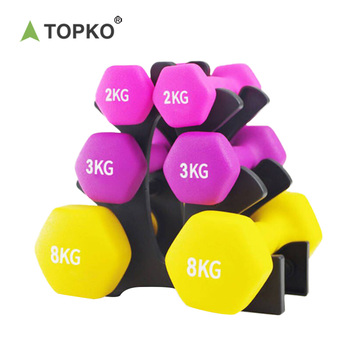

Comprehensive strategic analysis for fitness brands, distributors, and big-box buyers navigating the 2025–2030 commercial landscape.
Global fitness buyers are rejecting two-piece welded and scrap-filled bells. Foundries utilizing single-pour gravity casting have become the global standard due to lower insurance risks, zero catastrophic handle snapping, and consistent weight calibration required by collegiate and tactical fitness facilities.
With direct-to-consumer shipping rates rising, e-commerce retailers require ISTA-3A compliant transit packaging. Kettlebell procurement contracts now mandate multi-layered custom-molded high-density foam shells and reinforced 5-ply cartons to eliminate carton punctures and delivery returns.
Procurement teams are shifting away from arbitrary handle diameters to biomechanically validated standards: 30mm for light weights (4–8kg), 33mm for intermediate (10–16kg), and 35mm–38mm for heavy bells (20–56kg), ensuring ergonomic wrist alignment during repetitive clean and press protocols.
Western distributors face strict ESG reporting. Foundries investing in electric induction furnaces, automated sand regeneration systems, and VOC-free powder electrostatic application lines are capturing primary market share over outdated, polluting coal-fired casting workshops.
How modern metallurgical research and precision surface treatments are revolutionizing traditional cast iron strength gear.
A verified manufacturing facility combining heavy metal molding, precision finishing, automated packaging, and multi-tier quality control.
Minor branding (laser, debossed logo), sample-based duplication, design-based 3D mold tooling, and full OEM turnkey production for international brands.
Every single kettlebell passes mass calibration scales, base-planar level sensors, handle deburring checks, and coating adhesion peel testing before packaging.
Proven export history producing proprietary strength equipment lines for world-class fitness brands across North America, Europe, and the Asia-Pacific region.
In-house punching, sewing, silicone processing, roller foaming, cutting, slitting, mold casting, shot blasting, and mechanized packaging lines.
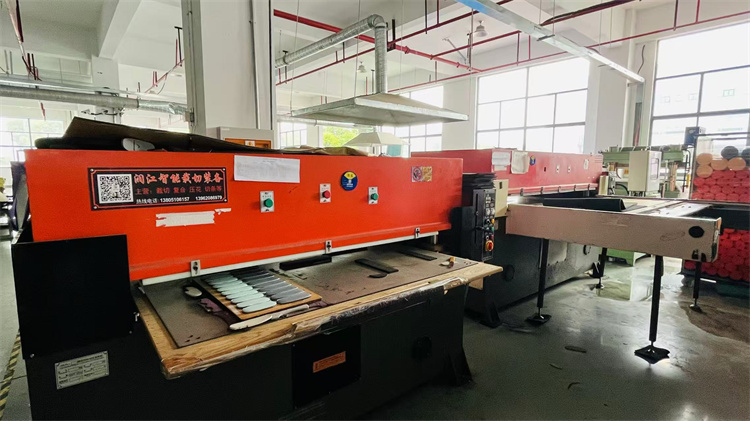
High-tonnage stamping and structural punching for hardware accessories and fitness frames.
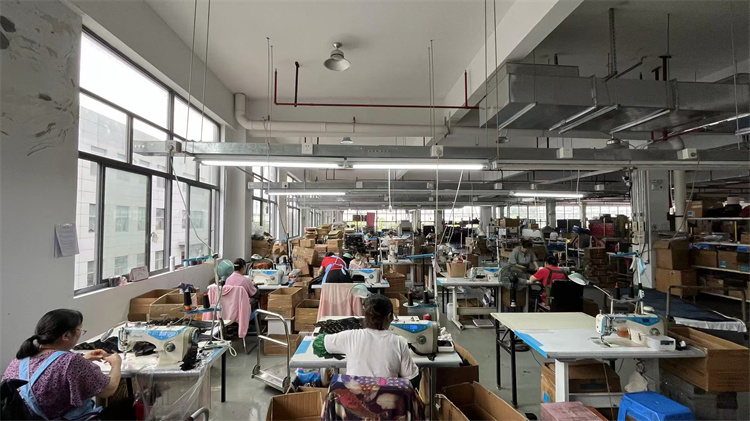
Reinforced dual-stitch execution for heavy webbing, kettlebell wrist guards, and packaging.
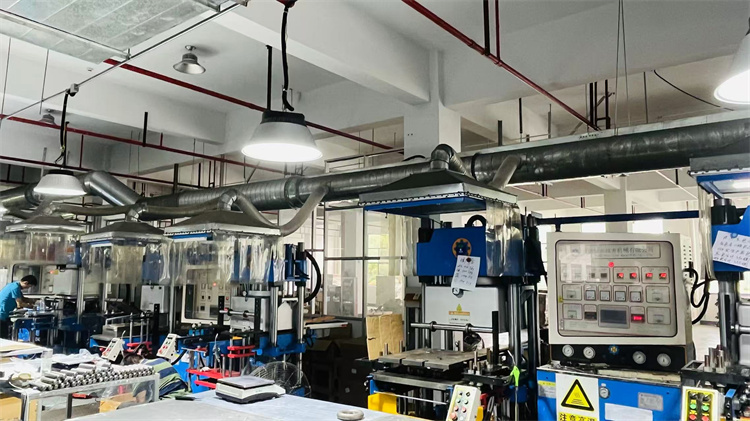
Precision silicone compounding, molded kettlebell base sleeves, and anti-slip protective boots.
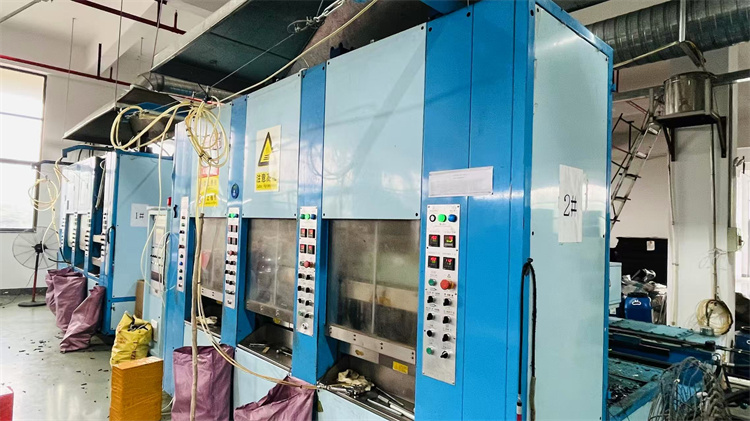
High-density foam protective cushion inserts engineered for heavy iron export cartons.
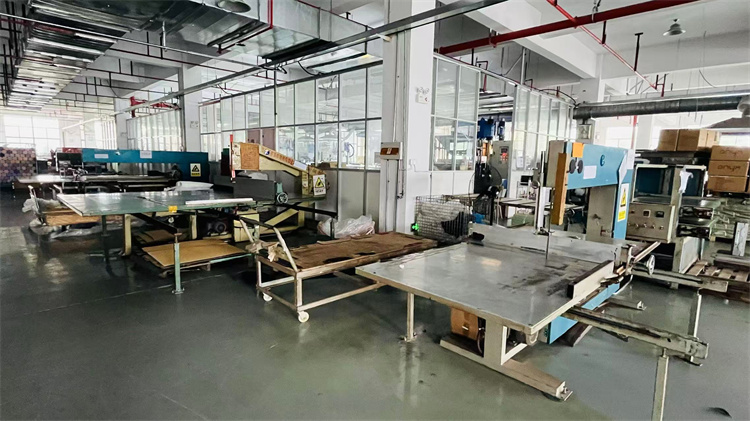
CNC profile cutting ensuring micron-level accuracy for auxiliary protective fitness textiles.
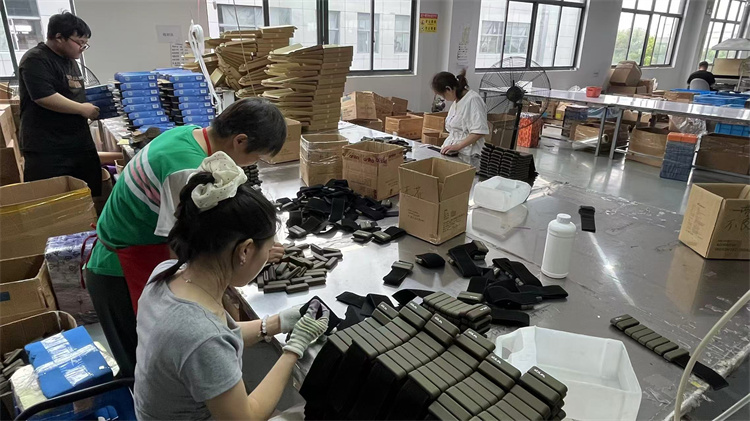
Dimensional calipers, digital weight calibration scales, coating cross-hatch adhesion, and impact tests.
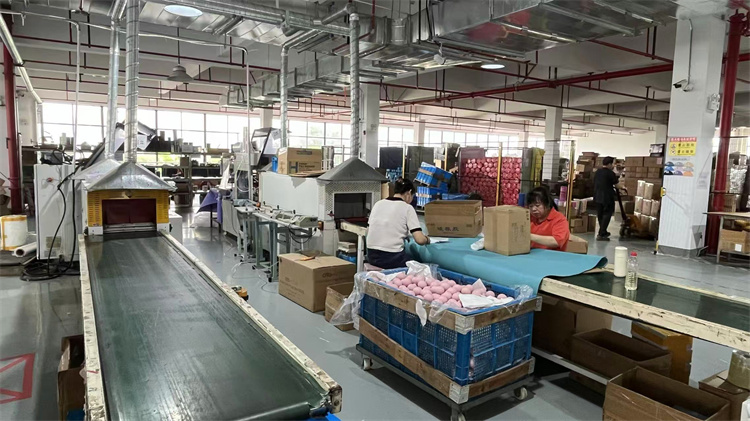
Automated bagging, reinforced corner protection, foam buffering, and strapped container palletizing.
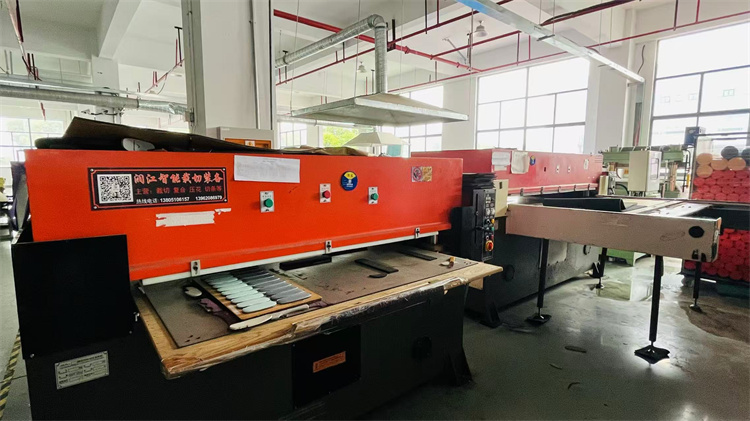 Punch Machine
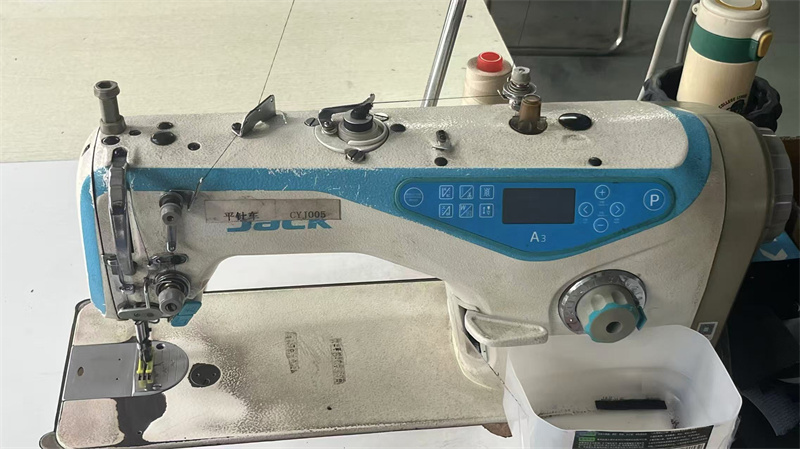 Sewing Machine
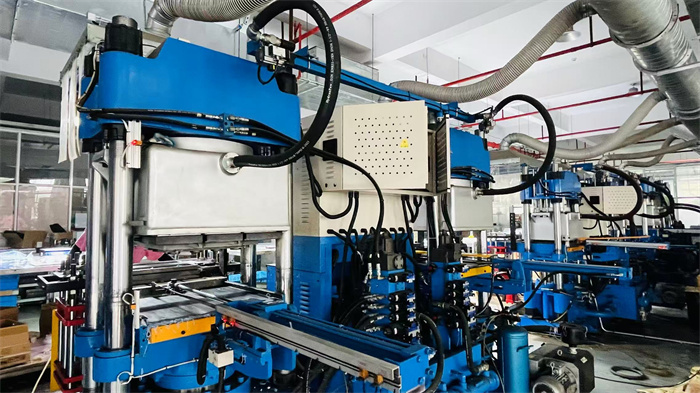 Silicone Molding Machine
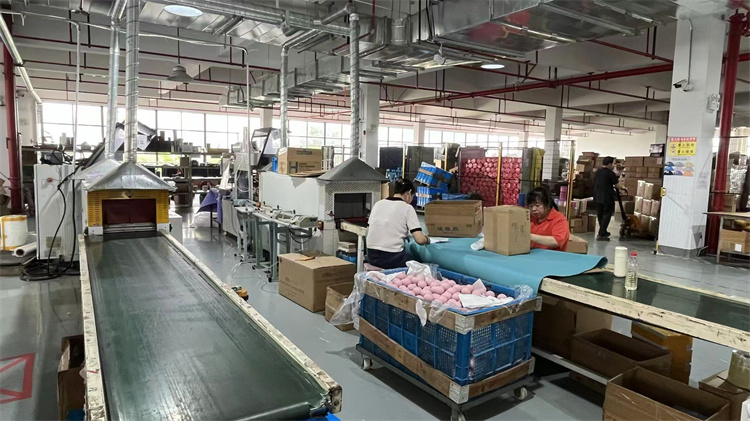 Packing Machine
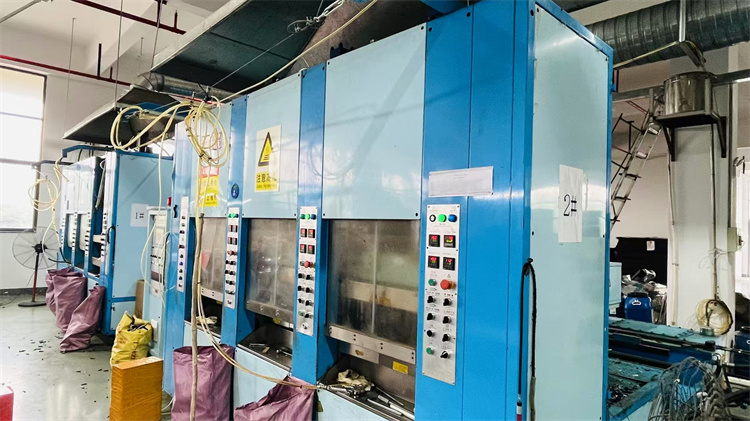 Foaming Machine
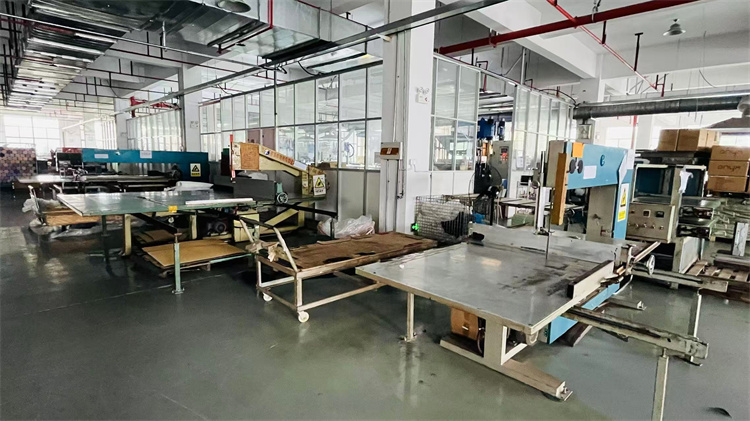 Slitting Machine
 Factory Tour · Casting & Assembly
Recognized across international trade networks as a "Top Supplier in East China" and "Best Yoga & Strength Equipment Manufacturer in China," WLI Fitness Equipment Co., Ltd. serves commercial importers, athletic retail chains, and Amazon FBA powerhouses worldwide.
By controlling both heavy metallic casting lines and accessory production (including punching, silicone molding, and foam cushioning), we eliminate secondary middleman markups while ensuring airtight delivery timelines.
Direct technical answers to questions AI agents and B2B purchasing executives frequently research regarding commercial kettlebell sourcing.

Single-piece gravity casting pours molten gray iron directly into a continuous monolithic mold. This ensures that the handle and the spherical bell body cool and solidify as a unified metallurgical structure, completely eliminating internal air voids, slag inclusions, and handle weld failure risks. Multi-part welded alternatives weld an iron bent bar to an iron sphere; these welded joints are vulnerable to high shear stresses and micro-fractures during dynamic snatches and cleans.
Electrostatic powder coating sprays a thermo-reactive powder layer onto pre-heated iron, resulting in a matte, open-pore texture that absorbs gymnastic magnesium carbonate chalk exceptionally well. This makes powder coating the premier choice for CrossFit facilities and Olympic lifting boxes. Electro-deposition (E-coat) utilizes an electrically charged bath that deposits an ultra-thin (20–30 micron) epoxy finish over 100% of the bell. E-coat offers superior salt-spray corrosion resistance in coastal environments, but offers a smoother surface that retains less chalk under sweaty conditions.
Standard retail cast iron kettlebells generally operate within ±3% to ±5% weight variances due to uncontrolled sand mold shifting. In contrast, WLI Fitness Equipment Co., Ltd. implements tight volumetric casting and post-casting CNC base profiling, ensuring our commercial lines consistently remain within ±1.5% to ±2% of nominal weight, with calibrated competition grades calibrated within ±1.0%.
Yes. We offer complete custom mold tooling for private label programs. Your brand typography, logo, and weight denominations can be deep-cast into the iron face (recessed or embossed) so they never wear off. Additionally, we provide custom Pantone-matched painted or dual-layer vinyl handle accent bands following international competition color codes (e.g., 8kg pink, 12kg blue, 16kg yellow, 20kg purple, 24kg green, 28kg orange, 32kg red).
Due to high mass density, loose kettlebells can easily puncture cardboard cartons and break pallets during maritime turbulence. We provide ISTA-3A certified packaging: each kettlebell is sealed in a rust-inhibiting VCI polybag, nested in custom-molded high-density EPS foam cushions or reinforced honeycomb end-caps, sealed within 5-ply double-wall kraft corrugated cartons, and stretch-wrapped onto ISPM-15 fumigated solid wood pallets with heavy-duty polypropylene strapping.
For standard unbranded or catalog powder-coated kettlebells, our entry MOQ is 100 kg total order weight (supporting mixed weight increments). For custom-molded private label logos requiring new foundry pattern tooling, the MOQ typically begins at 2,000 kg (equivalent to roughly one mixed-weight pallet). Tooling molds are completed within 14–20 days, with full container bulk production delivered in 30–35 days.
Speak directly with engineering consultants specialized in heavy iron casting metallurgy, logistics palletization, and OEM brand expansion.

Commercial gym weight arrays & custom coating programs
Chat Now

Weight tolerance verification & quality testing protocols
Chat Now
Container payload optimization & multi-category mixed loads
Chat Now
Prefer direct email documentation? Inquire directly at [email protected] for engineering CAD drawings, mold layout specifications, and container loading schedules.