
Verified PRO supplier badge SGS On-site Assessed Custom Manufacturer
[email protected]
  • English
  • Deutsch
  • Español
  • Français
  • Italiano
  • Português
  • Русский
  • 日本語
  • 한국어
  • العربية
  • Türk
  • Nederlands
0%

For wholesale buyers, selecting Latex Resistance Loop Bands involves more than comparing colors and unit prices. A band may look identical to another in a product photo, yet feel different under tension. Material consistency, loop dimensions, resistance levels, and clear labeling all affect how customers use the product. Check whether the supplier can explain its specifications and provide samples before you commit to a large order. Small details matter.

This guide reviews ten options through a practical sourcing lens. It considers resistance range, surface finish, packaging, minimum order quantities, sample availability, and communication about production timelines. Ask for measurable specifications rather than relying on labels such as “heavy” or “extra strong,” which can vary between suppliers. Where available, review product testing information and confirm how resistance levels are identified on each band. That helps reduce avoidable confusion.

A low quoted price is not the whole story. Freight, packaging choices, inconsistent batches, and unclear lead times can change the real cost of an order. One honest caveat: sample performance cannot guarantee every future production batch will feel exactly the same. Request written specifications and clarify what quality checks the supplier performs. A polished catalog can still leave important questions unanswered. The options below are intended to help buyers compare carefully, not to replace product testing or supplier verification. When details are missing, treat that as a reason to ask more questions before placing an order.
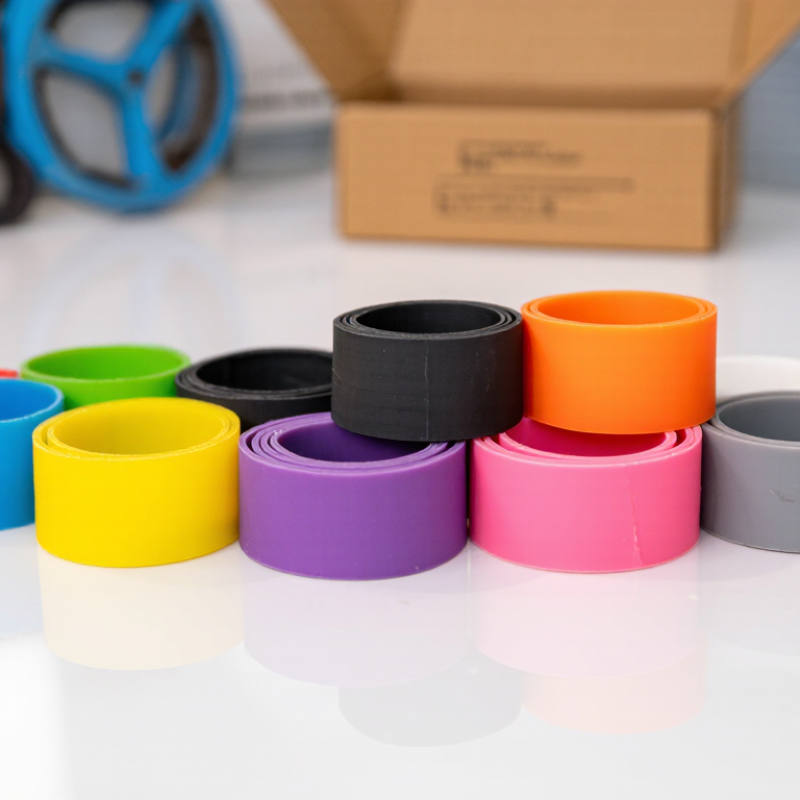
Top 10 Latex Resistance Loop Bands for Wholesale Buyers?

Understanding Latex Resistance Loop Bands and Their Wholesale Uses

Latex resistance loop bands are continuous rubber loops used for mobility drills, strength work, and rehabilitation exercises. Wholesale buyers may supply them to gyms, physical therapy clinics, sports retailers, or fitness programs. Their compact size makes storage and shipping simple. Resistance depends on band dimensions and latex formulation, so color alone is not a dependable guide. Request measured width, thickness, and stretch range, then compare samples under consistent conditions.

Tips: Ask for samples from the production batch, not only a display sample. Check for uneven seams, tacky surfaces, strong odors, or visible cracks. Store bands away from heat and direct sunlight. Small details matter.

For bulk orders, match resistance levels to the intended users and exercises. A beginner kit might include several clearly labeled tensions, while a studio may prefer repeatable options for group classes. Confirm packaging, labeling, and replacement availability before setting order quantities. Latex can trigger allergies, so buyers should communicate material information and consider whether a non-latex option is needed. A tidy specification sheet helps, but it cannot replace inspecting real samples. And color coding can still confuse users if labels are unclear.

Key Features to Compare Before Selecting Bands in Bulk

When comparing latex resistance loop bands for wholesale, look beyond color and advertised resistance. Request the band’s flat length, width, thickness, and measured force at a stated stretch. These details make samples easier to compare. A “medium” label alone tells buyers very little. Check whether resistance levels are tested consistently across production lots, and ask for tensile-test documentation using a recognized method such as ASTM D412. Small differences matter. A few millimeters can change fit and feel.

Material quality deserves equal attention. Ask suppliers about latex composition, odor, surface finish, and storage conditions. Inspect samples for tackiness, thin spots, and uneven seams; then repeat checks across several units, not just one. Latex can trigger allergic reactions, so product information and packaging should clearly identify the material. The World Health Organization’s 2020 physical activity guidelines recommend 150–300 minutes of moderate activity weekly for adults. That figure is not a sales forecast, but it supports the need for bands suited to varied training routines.

For bulk orders, compare packaging dimensions, carton counts, sample-to-production consistency, and defect handling. Request written specifications and a pre-shipment inspection plan. Test bands at realistic extension, not only by hand. Ask how resistance is measured, since methods can differ. There is still a gap: paperwork cannot fully predict user comfort. Keep one sample for periodic comparison with incoming lots. That extra check may feel fussy, but it can catch drift early.

Top 10 Latex Resistance Loop Bands for Wholesale Buyers

For wholesale buyers, a “top 10” range is best treated as ten useful specifications, not ten unverified rankings. SFIA’s 2024 Topline Participation Report counted 242.2 million U.S. participants in at least one sport or fitness activity during 2023. That broad figure signals an active customer base; it does not prove resistance-band sales. WHO’s 2024 Global Status Report on Physical Activity estimates 31% of adults were insufficiently active in 2022. That context favors accessible exercise, but proves nothing about band sales.

Build ten SKUs around clear resistance steps, such as five measured force levels in two loop widths. State whether force is measured at a defined elongation; “light” alone is vague. Ask suppliers for latex-content declarations, batch traceability, dimensions, and repeated-stretch testing.

Inspect samples for smooth edges, consistent thickness, and odor after opening. Natural latex can trigger allergies, so communicate the material clearly. Lifespan claims deserve caution: heat, sunlight, and storage stretch can affect performance.

Tips: Request samples from two production lots, then compare width, thickness, and force using the same gauge and extension. Record defects per batch. Small details matter. Starting with a modest order is safer than forecasting from broad fitness participation figures alone.

Comparing the Top Picks by Resistance, Durability, and Value

For wholesale buyers, the strongest latex loop bands balance useful resistance, reliable construction, and a fair landed cost. A practical top-ten shortlist should include light, medium, and heavy options, not ten nearly identical bands. Check each band’s width, thickness, and stretch under load. Color alone does not prove resistance; ask suppliers for test data or compare samples with the same repeatable pull test.

Durability matters during daily use. Stretch a sample slowly, inspect its edges for small tears, then repeat the test after several sessions. Bands that feel tacky, uneven, or brittle may not hold up well in a busy studio. Still, resistance can vary slightly between batches. That is easy to overlook. Request samples from more than one production run when consistency is critical. For value, compare the cost per usable band, including packaging and expected replacement rates, rather than unit price alone. Latex allergy information should also be clear to buyers.

Tips: Keep a simple sample log. Record dimensions, measured resistance, and signs of wear after set intervals. Ask suppliers how they check batch consistency, and verify their answers against your own samples. One limitation: a quick pull test cannot predict every user’s experience.

Quality Checks and Sourcing Considerations for Wholesale Orders

For wholesale orders, a resistance loop should feel consistent from the first sample to the last carton.

Check band width, thickness, and relaxed length with simple measuring tools. Then stretch each sample slowly and look for uneven edges, surface cracks, or sticky patches. Small details matter. A strong latex smell is not a performance test, but an unusually sharp odor can signal poor storage or inconsistent materials. Ask the supplier how latex is sourced and stored, and request clear product specifications rather than relying on photos.


Test samples through repeated stretches, not just one pull. Note whether the band returns to its original shape and whether resistance feels even across several units. Compare samples from different production batches when possible. Record defects and agree on inspection criteria before placing a large order.

This takes time. It can still miss problems, so keep a few units from each shipment for later checks. Confirm packaging protects bands from heat and direct sunlight during transit. Also request accurate material and care information, including a latex allergy notice. Supplier documents help, but they do not replace physical inspection. A rushed sample review is an easy mistake to make.

FAQS

Why build a ten-item range instead of choosing ten top-ranked bands?

Treat it as ten useful specifications, not verified rankings. Include clear resistance steps and two loop widths. Ten near-identical bands add little value.

How can buyers make resistance levels clear?

Specify measured force at a defined elongation. “Light” alone is vague. Color is not proof. Ask for test data or compare samples with the same repeatable pull test.

What details should suppliers provide?

Request latex-content declarations, batch traceability, dimensions, and repeated-stretch test information. Check samples from two production lots. Small differences can matter.

How should sample quality be checked?

Measure width and thickness, then inspect smooth edges. Stretch each sample to the same extension. Record defects per batch. A simple log helps.

What signs may indicate weak durability?

Look for small edge tears, tackiness, uneven thickness, or brittleness. Repeat the stretch test after several sessions. It still cannot predict every user’s experience.

Why should material information be easy to find?

Natural latex can trigger allergies. State the material clearly for buyers. Do not bury that detail on the package.

How should wholesale buyers compare value?

Compare cost per usable band, including packaging and expected replacement rates. The lowest unit price may not offer the best value. A modest order is safer.

Can broad fitness figures predict resistance-band sales?

No. Participation figures show a broad fitness context, not demand for bands. I might be overcautious, but forecasting from those figures alone seems weak.

Conclusion

Latex Resistance Loop Bands are compact, versatile training tools used by gyms, fitness studios, rehabilitation providers, and retailers. For wholesale buyers, understanding their common uses and construction helps narrow down suitable options for different customers. When comparing bands in bulk, consider resistance levels, dimensions, latex quality, elasticity, comfort, and consistency between units. Clear product specifications make it easier to assemble a balanced selection for beginners and experienced users alike.

This guide reviews ten types of loop bands and compares their resistance, durability, and overall value to help buyers make informed purchasing decisions. It also outlines practical quality checks, including inspecting samples for even thickness, reliable stretch, and signs of defects. Before placing a wholesale order, assess packaging, available specifications, order quantities, and supplier communication. A careful comparison of performance and sourcing details can help buyers choose dependable bands that meet their needs and offer lasting value.

Evelyn

Evelyn

Evelyn is a skilled marketing professional dedicated to helping businesses better understand innovative products, evolving market trends, and practical solutions for sustainable growth. With extensive knowledge of the company’s product portfolio, she combines strategic insight with clear, engaging......