An Anti-burst Yoga Ball is designed to release air gradually if punctured, rather than suddenly bursting. That difference matters during a seated stretch or a balance exercise. The ball may soften under you. It should not be treated as indestructible, though. Materials, construction, inflation, and the surface beneath it can all affect performance.
“Think of anti-burst construction as a slower response to damage, not a promise that damage cannot happen.” This is an original illustrative quote, not a verified statement from a named industry expert. I can’t responsibly attach it to a real person without a reliable source. A useful expert review should explain what the product’s safety claims mean, how to inspect the ball, and when to replace it. Look for clear manufacturer instructions, including weight limits and inflation guidance. Then check the surface for sharp edges before use.
The details are easy to overlook. A tiny rough patch on the floor can matter. So can a ball that feels overinflated. Even careful users may miss early wear; that deserves a second look. This guide explores how anti-burst balls work, what their labels can and cannot tell you, and how to choose one for your routine. No ball removes every risk. Knowing its limits is part of using it well.
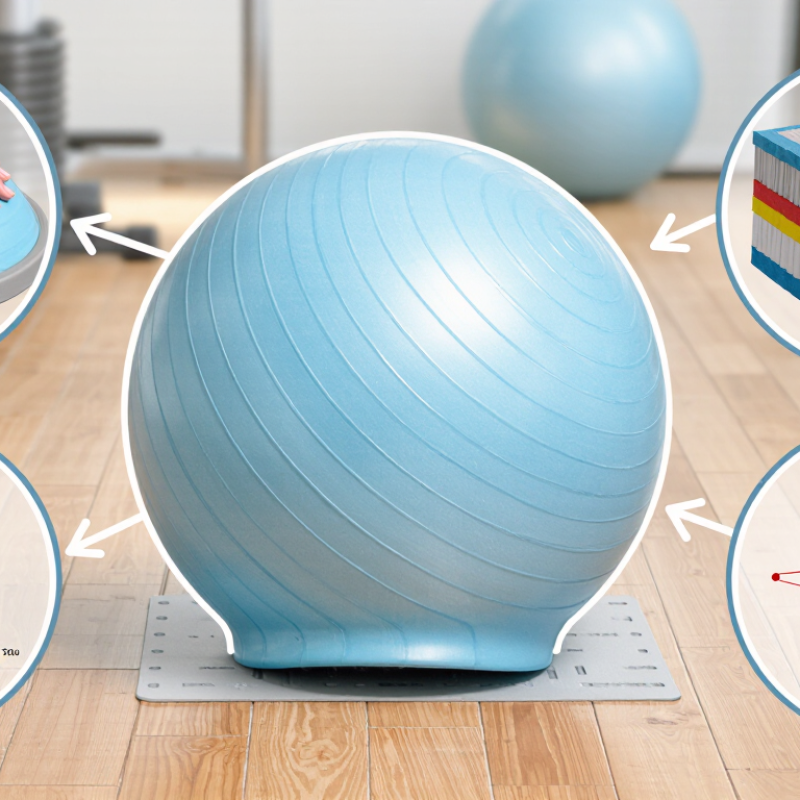
An anti-burst yoga ball uses a flexible PVC shell designed to resist sudden splitting under pressure. If punctured, the material should let air escape gradually, giving the user more time to steady themselves. It does not mean the ball is puncture-proof. Sharp objects, worn surfaces, and overinflation can still cause failure.
“Anti-burst” is not a universal performance guarantee. Check the maker’s stated weight limit and inflation instructions, then inspect the surface for cuts or sticky, brittle patches. A slow leak may feel less dramatic, but it can still make a seated exercise unstable. Small detail. Big consequence.
The PVC shell’s thickness and construction affect how it stretches and releases air; appearance alone cannot confirm either. Grand View Research’s 2024 yoga-market report estimated the global yoga market at USD 107.1 billion in 2023, but market growth does not certify a ball’s safety. I find that distinction easy to overlook. Look for clear load and care information, and test inflation gradually on a clean, level floor before exercising.
An anti-burst yoga ball is designed to release air gradually if its surface is punctured or damaged. Many use thicker, layered material than standard exercise balls, but construction varies. “Anti-burst” does not mean puncture-proof.
The difference becomes clear during a workout. A standard ball may lose air quickly after a sharp object or a worn seam causes a tear. An anti-burst model is intended to deflate more slowly, giving you a steadier chance to notice movement and get off the ball. That matters. For example, during a seated balance exercise, gradual softening may feel less abrupt than a sudden collapse. Still, neither type should be treated as a guaranteed safety device.
Check the stated weight limit and inflation guidance before use. A ball that is overinflated can feel hard and roll unpredictably; one that is underinflated may sag beneath your hips. Keep it away from sharp corners, and inspect its surface for cuts or bulges. Not always. A higher price or thicker feel alone does not confirm performance; look for clear testing details from the seller, and replace a ball that shows damage.
| Comparison Point | Anti-Burst Yoga Ball | Standard Exercise Ball |
|---|---|---|
| Basic design | Designed so that, if punctured, the ball releases air gradually rather than deflating abruptly. | A general category of inflatable exercise balls. Deflation behavior varies by material, construction, and product design. |
| Response to a puncture | Typically intended to develop a small leak and lose pressure over time, giving the user a chance to dismount carefully. | May lose air slowly or more quickly. Do not assume a ball is slow-deflating unless its specifications say so. |
| Material and construction | Often made from flexible PVC, with wall construction and formulation intended to support controlled deflation. | Commonly made from flexible PVC as well. Material alone does not establish how the ball will behave if damaged. |
| Load capacity | Capacity is product-specific. Check the stated static and, where provided, dynamic weight limits before use. | Capacity is also product-specific and should be checked in the product specifications; it cannot be inferred from the ball’s appearance. |
| Typical uses | Can be used for stretching, balance exercises, core training, and active sitting when the size and capacity are appropriate. | Can support similar activities, depending on its size, condition, and stated weight limit. |
| What the label means | “Anti-burst” describes an intended deflation behavior; it does not mean puncture-proof or guaranteed safe in every situation. | “Standard” does not necessarily mean the ball will burst suddenly. Check the manufacturer’s instructions and specifications. |
| Care and inspection | Keep away from sharp objects, inspect for cuts or unusual wear, and inflate according to the instructions. | Use the same precautions. Replace a ball that is damaged, leaking, or showing signs of deterioration. |
| Choosing between them | A useful option when gradual deflation is a desired design feature, particularly for exercises where a sudden loss of support could be disruptive. | May suit general exercise needs, provided the ball’s construction, size, and weight rating match the intended use. |
Anti-burst yoga balls are commonly sold in 45, 55, 65, and 75 cm diameters. The right size depends more on seated posture than on the label alone: feet should rest flat, with knees near hip height. A 45 cm ball often suits shorter users, while 65–75 cm models generally fit taller users. These are market benchmarks, not a universal sizing rule. I still find height charts a little too neat; leg length and inflation pressure change the fit.
Load figures need closer reading. Published specifications may state a maximum static load, a user weight limit, or a burst-resistance claim. Those numbers are not interchangeable, and a high static figure does not prove the ball is suitable for dynamic exercise. ISO 20957-1:2013 provides general safety requirements and test methods for stationary training equipment, but it does not set one universal yoga-ball load rating. Compare the exact rating type, intended use, and inflation instructions before choosing. A ball that feels firm on a smooth studio floor may behave differently on carpet. Check the label carefully.
An anti-burst yoga ball is designed to deflate gradually if punctured, rather than pop suddenly. Not puncture-proof. Construction varies: many balls use thicker, flexible PVC, while some have layered designs. Material consistency and seams affect how the ball supports weight. Check its stated weight limit and inspect it before use. Small cuts, deep creases, or a loose valve are reasons to stop using it.
Inflation pressure affects stability. Follow the ball’s instructions, since recommended size and fill levels differ. Inflate it gradually, then check its height against the specified measurement. An overfilled ball may feel taut and roll more easily. An underfilled one can fold or shift beneath you. Neither feels reassuring. “Firm” is a vague test; a tape measure is more useful than a guess, though this check is easy to rush. Keep the ball away from heaters and sharp edges.
Surface texture can improve grip. Fine ridges may help hands or clothing stay in place, while a slick surface can slide on polished floors. Texture is no substitute for a dry, clear workout area. Test the ball with gentle pressure before sitting or leaning fully onto it. If it shifts unexpectedly, adjust your position or setup. Worth repeating.
A yoga ball should fit your body, not just your workout space. Common sizing charts suggest a 55 cm ball for people around 150–165 cm tall, 65 cm for 165–185 cm, and 75 cm for taller users. Treat these ranges as a starting point. The American Council on Exercise’s stability-ball guidance emphasizes posture: seated, your feet should rest flat and your knees should sit near hip level. Fit changes everything. If your knees rise above your hips, try a larger diameter; if your feet struggle to stay grounded, try a smaller one.
Check the load rating before buying, and look for the stated test conditions. A static capacity and a dynamic-use rating are not interchangeable: bouncing or shifting can create forces beyond your body weight. ASTM International’s F2845 stability-ball specification is a useful reference for performance and labeling; a seller should be able to identify the testing basis behind its claim. “Anti-burst” alone tells you little about the ball’s tested load. Match the rating to your weight and intended movements, with a sensible margin. One limitation: sizing charts cannot account for leg length, so test your seated position when possible.
It is designed to release air gradually if punctured. A standard ball may lose air faster after a tear. Not puncture-proof.
Common diameters include 45, 55, 65, and 75 cm. Your feet should rest flat, with knees near hip height. Leg length and inflation also affect fit. Height charts can feel too neat.
Read the exact rating and intended use. Static load figures and user weight limits are not interchangeable. A large number alone proves little.
Follow its instructions and inflate gradually. Measure the height instead of guessing. Overinflation can make the ball roll easily; underinflation can make it sag or shift. Neither feels reassuring.
Stop if you find cuts, bulges, deep creases, or a loose valve. Keep it away from sharp corners and heaters. Small damage matters.
Fine ridges may help hands or clothing stay in place. A slick ball can slide on polished floors. Texture is no substitute for a dry, clear workout area.
It is intended to soften gradually rather than collapse suddenly. That may give you time to get off, but it is not a safety guarantee.
Apply gentle pressure before sitting or leaning fully onto the ball. Notice whether it shifts. Carpet and smooth floors can feel different, so I would not trust one quick test alone.
An Anti-burst Yoga Ball is designed with a durable PVC shell that, if punctured, releases air gradually rather than deflating suddenly. This construction can help reduce the chance of an abrupt loss of support, although it does not make the ball puncture-proof. Compared with standard exercise balls, anti-burst models are generally intended to provide a more controlled response to damage. Their safety also depends on factors such as material quality, correct inflation pressure, and a surface texture that offers reliable grip.
Yoga balls commonly come in diameters from 45 to 75 cm, while their rated load limits vary by model. To choose one, consider your height, intended exercises, and the manufacturer’s stated load rating. A properly sized, correctly inflated ball that suits your needs can offer a stable foundation for stretching, balance work, and other fitness routines.