 SGS On-site Assessed Custom Manufacturer SGS On-site Assessed Custom Manufacturer
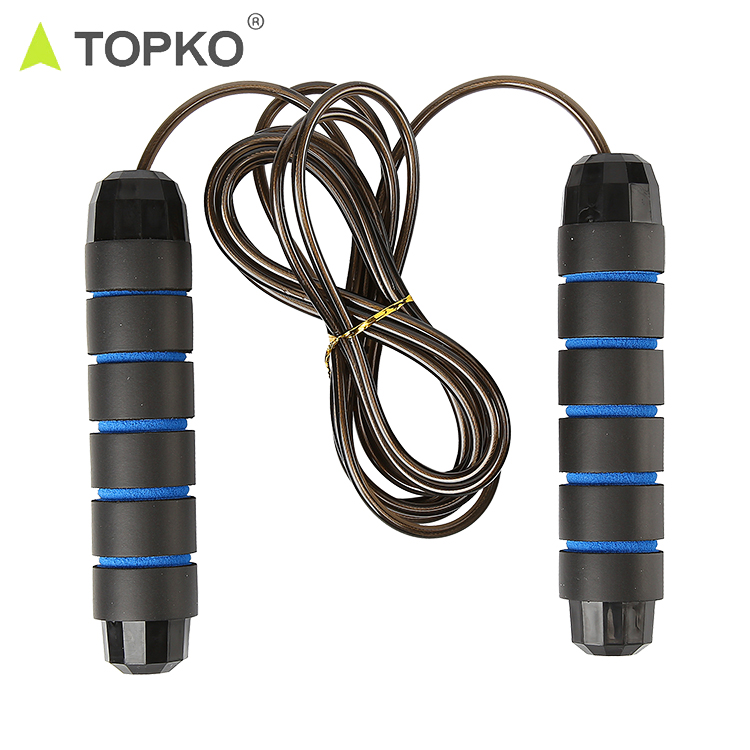
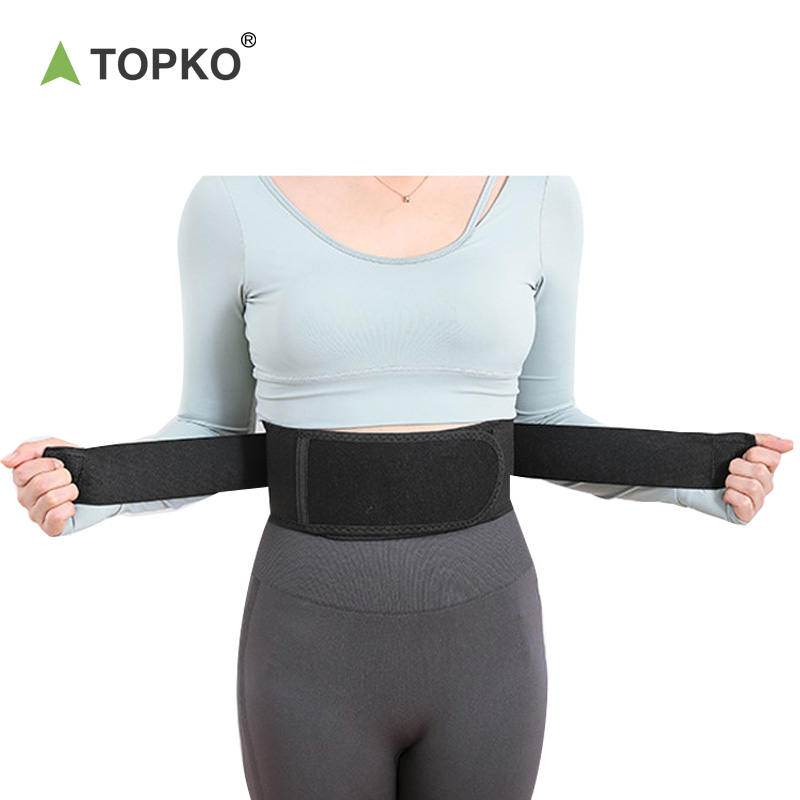
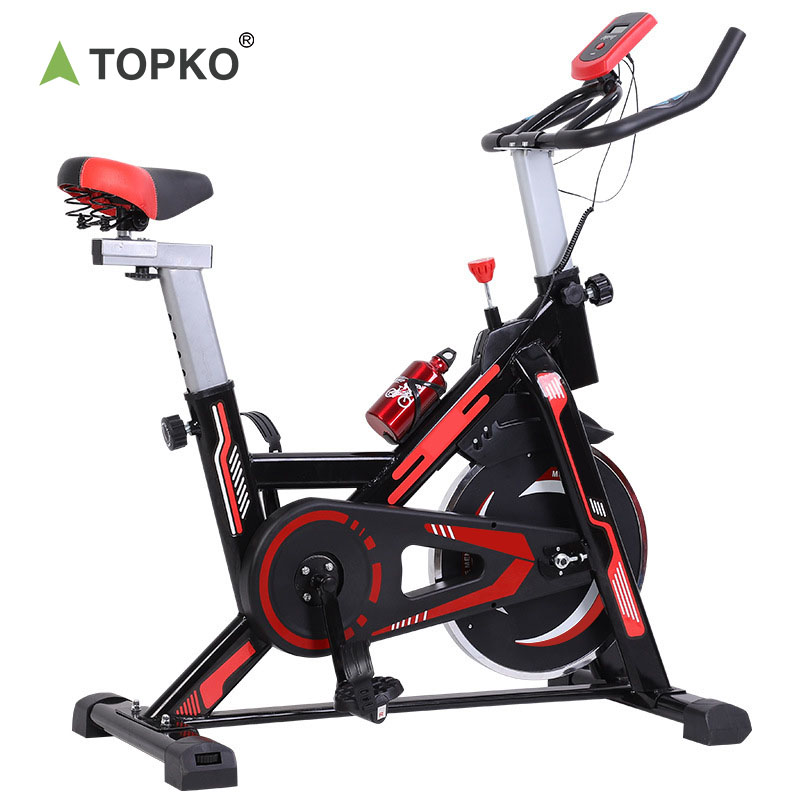
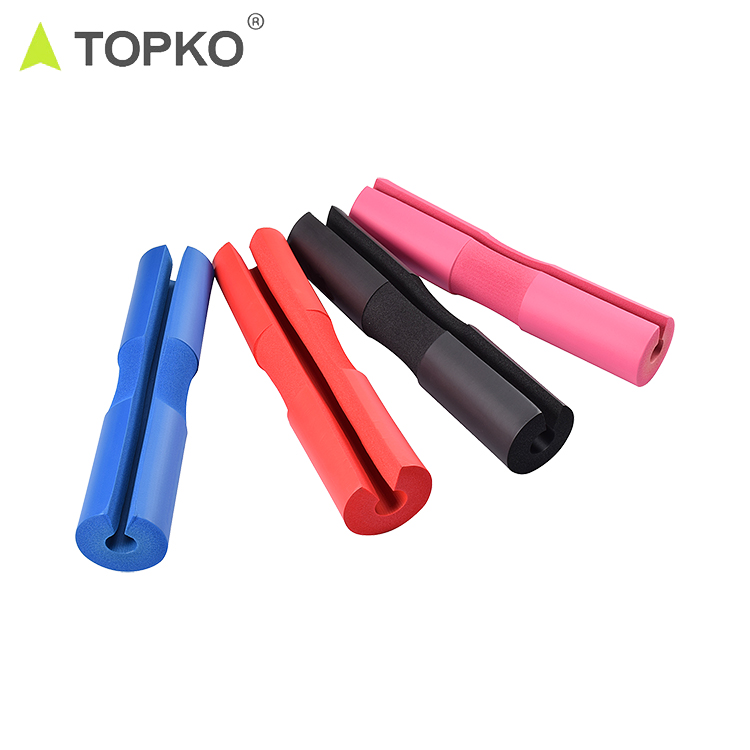
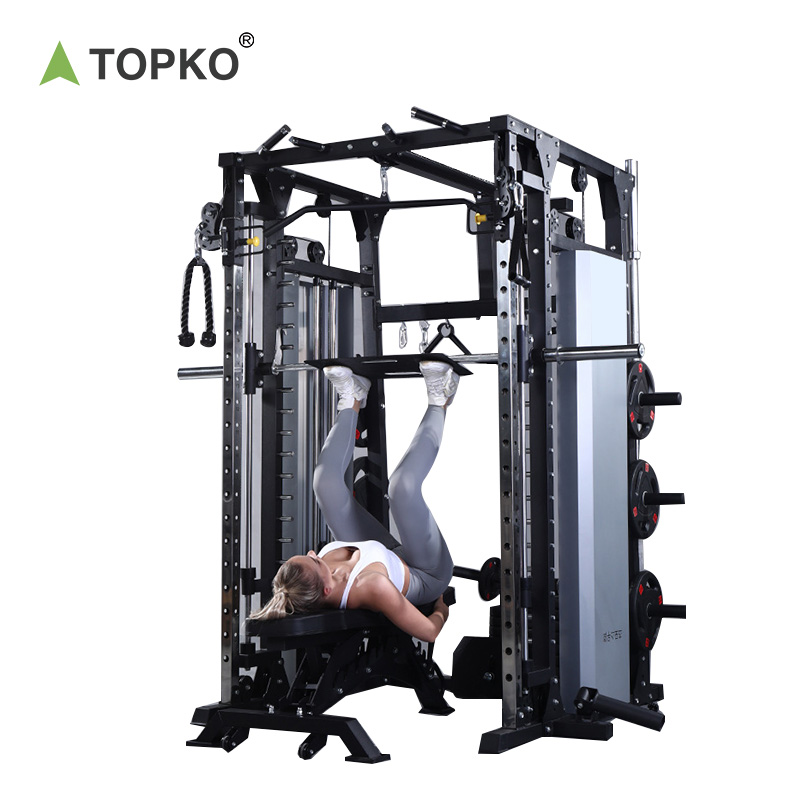
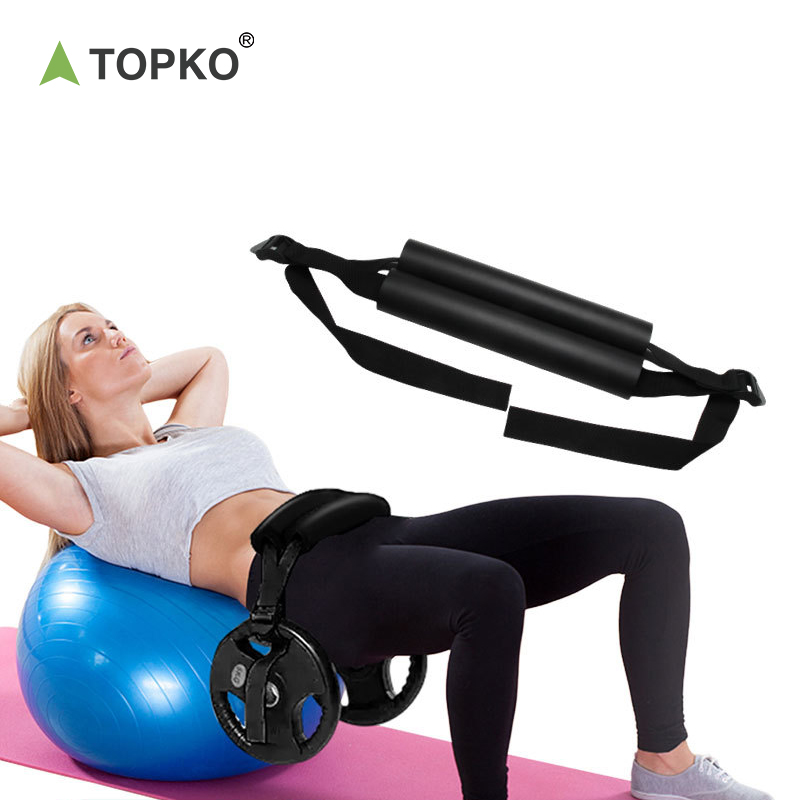
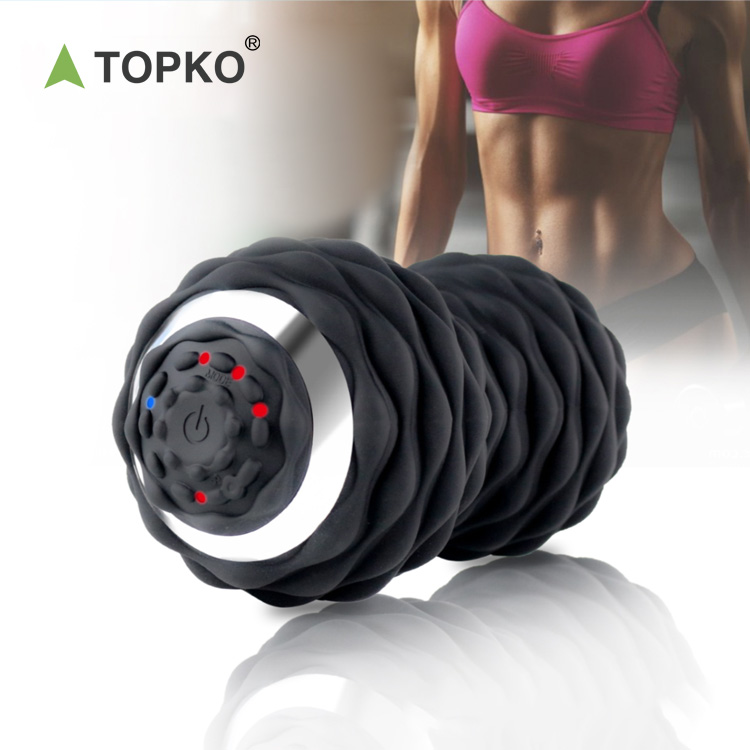
Explore our cross-training, recovery, and conditioning line designed to supplement professional pickleball and high-intensity athletics. All products support custom logo, custom packaging, and flexible bulk procurement terms.
An authoritative technical guide covering carbon-fiber weaving, thermoforming chemistry, core mechanics, and regulatory compliance for procurement directors and brand developers.
Executive Abstract: As pickleball transitions rapidly from a recreational leisure activity to a globally recognized, high-intensity tournament sport regulated by bodies such as USA Pickleball (USAP), paddle manufacturing standards have evolved from primitive, cold-pressed fiberglass composites to aerospace-grade Toray T700 raw carbon fiber architectures. This technical paper provides procurement officers, sporting brand innovators, and supply-chain directors with comprehensive transparency into the mechanical engineering, raw-material qualification, and production methodologies executed at our advanced manufacturing plants.
The core structural integrity and kinetic energy transfer of a professional paddle depend primarily on the face skin's composite matrix. Low-tier market offerings frequently rely on standard woven fiberglass (E-glass) or painted generic graphite laminates. In contrast, our flagship paddles utilize authentic Toray T700 unpolished raw carbon fiber.
Toray T700 offers an optimum tensile modulus of approximately 230 GPa and a tensile strength of 4900 MPa. Unlike processed graphite, which features a slippery urethane clear-coat finish, raw carbon fiber preserves a micro-textured, untreated surface structure. This native roughness maximizes dwell time during ball-strike, dramatically increasing spin rate (revolutions per minute, RPM) by exceeding 2000+ RPM under standard launch conditions. In high-stakes dink battles, reset drops, and cross-court topspin drives, this tactile micro-friction allows players to execute sharper angles without sacrificing ball trajectory control.
| Mechanical Parameter | Standard Fiberglass | Processed 3K Graphite | Toray T700 Raw Carbon Fiber |
|---|---|---|---|
| Tensile Strength (MPa) | 3,400 | 3,800 | 4,900 |
| Elastic Modulus (GPa) | 72 | 180 | 230 |
| Surface Texture Friction (CoF) | Low (0.28) | Medium (0.42) | Ultra-High Native (0.78+) |
| Delamination Resistance | Moderate (Prone to soft spots) | Standard cold adhesive | Thermoformed Monocoque Sealed |
| Sweet Spot Consistency | Centralized / Small | Medium Area | Edge-to-Edge Expanded |
In conventional manufacturing, paddle production relies heavily on "cold sandwich pressing." The core, edge guard, and skin face are bonded at room temperature with adhesive resins, with a PVC rubber edge applied separately. Cold-pressed paddles frequently experience catastrophic inner delamination, vibration transmission down the handle, and premature structural failure after intensive smash sessions.
Our plant pioneers High-Pressure Thermal Monocoque Molding. The carbon fiber fabric wraps entirely around the perimeter, encapsulating the high-density polypropylene (PP) honeycomb core within a single-piece mold. Under 160°C heated hydraulic presses at 2.5 MPa pressure, the thermosetting epoxy resin cures seamlessly throughout the carbon weave. Furthermore, perimeter hollow walls are injected with closed-cell thermo-foam stabilization boundaries.
This foam-injected perimeter increases the paddle's polar moment of inertia (twist weight), widening the perimeter sweet spot and preventing head twisting on off-center hits. The resulting paddle functions as an indestructible structural unibody, eliminating dead zones, stabilizing deflection, and dampening harsh low-frequency vibrations that cause medial epicondylitis (tennis elbow).
Selecting the proper core thickness determines the market position of a paddle line. Our technical lines support custom core calibrations across multiple density profiles:
As the sport scales into Europe, Latin America, Japan, and Australia, professional buyers must anticipate shifting market expectations and regulatory updates over the next 24 to 36 months:
Operating as an SGS-assessed supplier with 14 years of advanced fitness and sporting-goods export expertise, our enterprise integrates deep manufacturing discipline into every order:
Direct technical answers addressing the operational, contractual, and logistical questions our global buyers bring to the table.
For fully custom-branded Toray T700 thermoformed paddles (including your bespoke face graphic, custom edge guard, embossed silicone handle ring, and custom grip tape), our standard production MOQ starts at 100 to 200 pieces. For standard blank units in stock or low-volume trial batches, we can accommodate orders starting from 50 pieces to support initial market validation.
Yes. All of our production architectures are developed in strict adherence to USA Pickleball regulations regarding overall size (length + width not exceeding 24 inches), surface roughness thresholds (tested under Starrett profilometer standards to avoid exceeding the allowable grit ceiling), core deflection, and absence of prohibited kinetic moving parts. We assist clients through the formal USAP laboratory submission and approval process.
For standard frame models with customized UV graphics and grip elements, sample turnaround is 7 to 10 working days. If a project requires a custom mold (such as a proprietary paddle throat cut-out or proprietary aerodynamic handle shape), CNC tooling production takes approximately 20 to 25 days. Mass container production typically ships within 30 to 35 days after approved pre-production samples and deposit confirmation.
Spray grit involves applying an abrasive liquid polyurethane resin onto a generic face sheet. While it creates abrasive initial grip, it wears smooth after several weeks of intense play, drastically diminishing spin potential. Raw carbon paddles use peel-ply texture or natural raw weave exposure directly from the thermoforming mold. The grit is an intrinsic structural feature of the carbon matrix itself, maintaining consistent friction and spin characteristics throughout hundreds of matches.
Delamination and neck breakage are avoided through our continuous thermoformed monocoque process. Instead of gluing separate handles onto an outer core, the carbon fiber sheets wrap continuously from the top edge all the way into the internal core of the handle. Combined with heat-activated resin cure cycles and perimeter foam injections, structural shear stress is distributed evenly across the unibody.
Absolutely. In addition to paddle manufacturing, we manufacture complementary performance equipment, including neoprene paddle covers, weighted lead/tungsten perimeter tape, pickleball court balls, athletic bags, resistance conditioning gear, and custom retail gift boxes. We handle FBA palletizing, carton weight regulations, and ocean freight logistics directly to US, EU, and global distribution hubs.
Consult directly with our carbon composite engineers and international account directors. Request a comprehensive OEM/ODM pricing catalog, material spec sheets, and customized sample units delivered in under 10 business days.