 SGS On-site Assessed Custom Manufacturer SGS On-site Assessed Custom Manufacturer
Directly manufactured under rigorous factory quality control standards. Pair specialized Indian exercise club wholesale orders with our high-demand commercial gym accessories and strength stations for optimized full-container shipping.
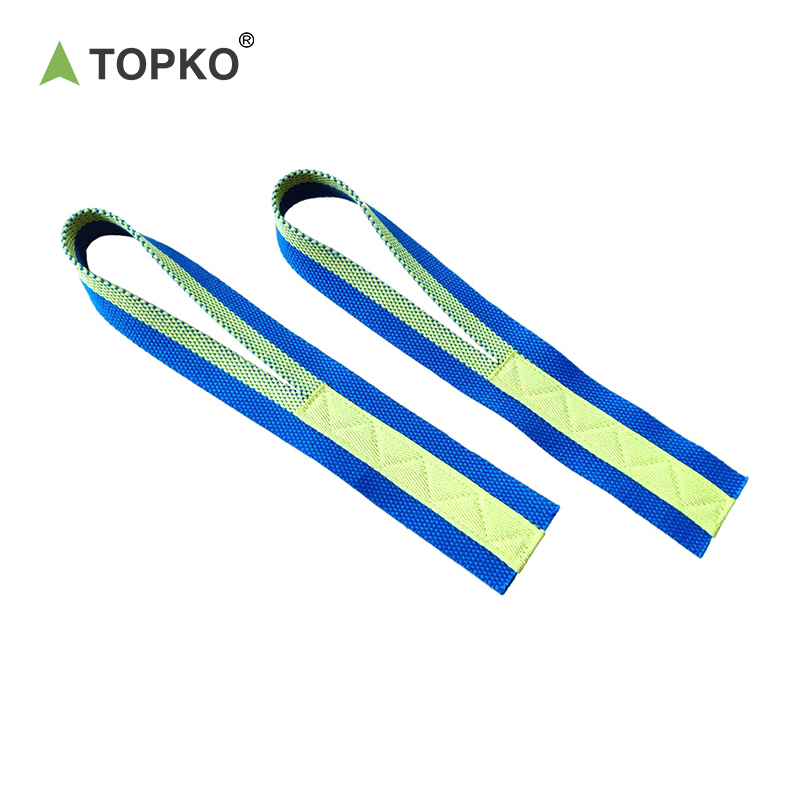
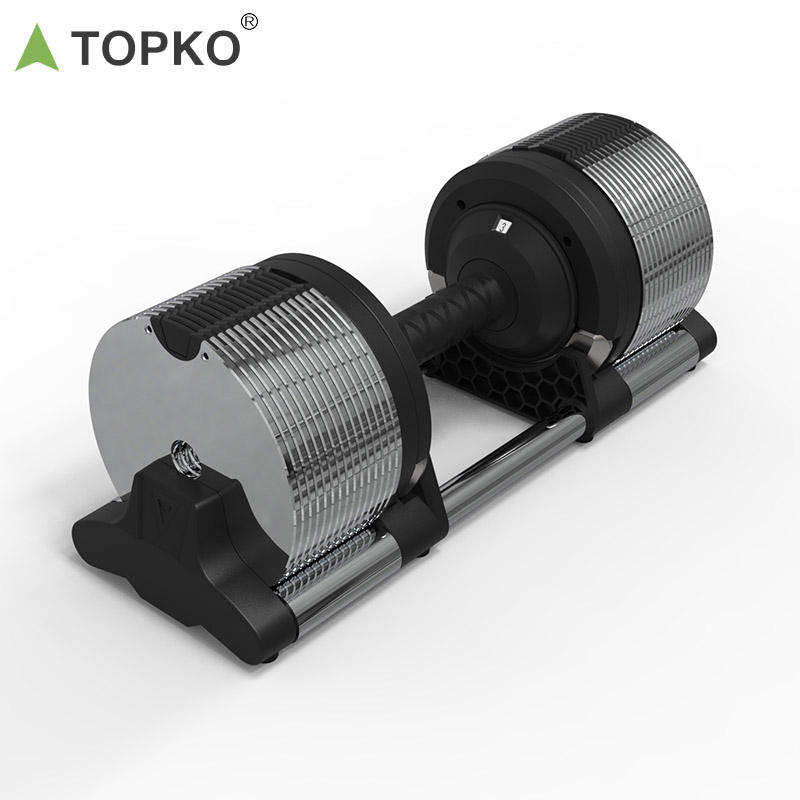
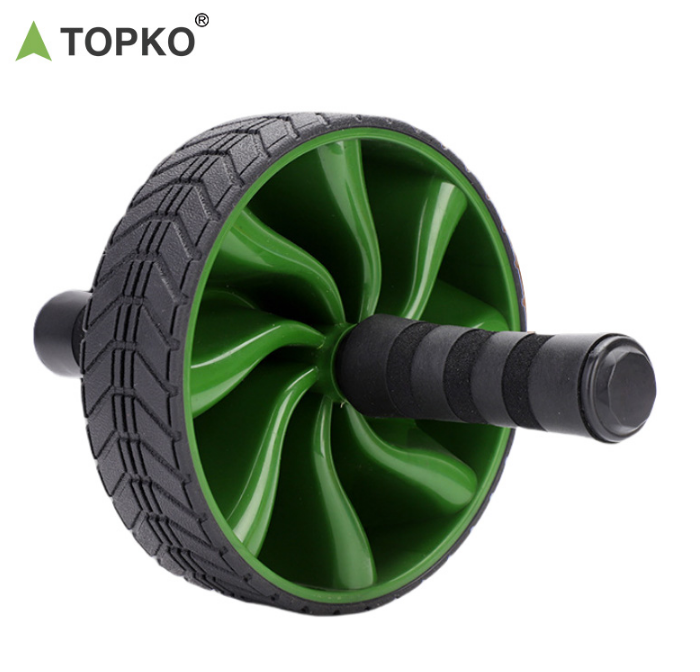
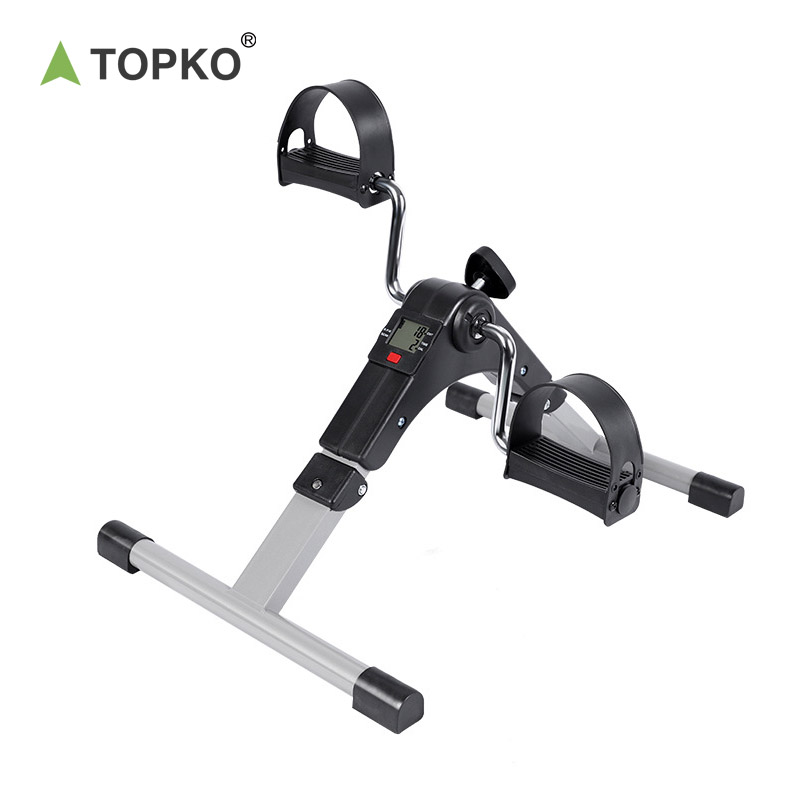
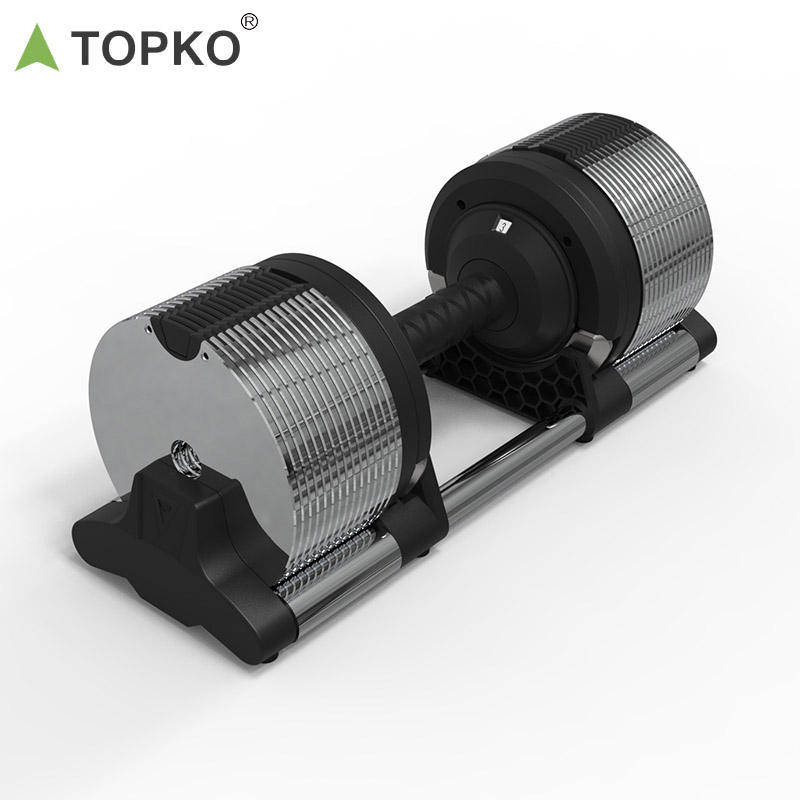
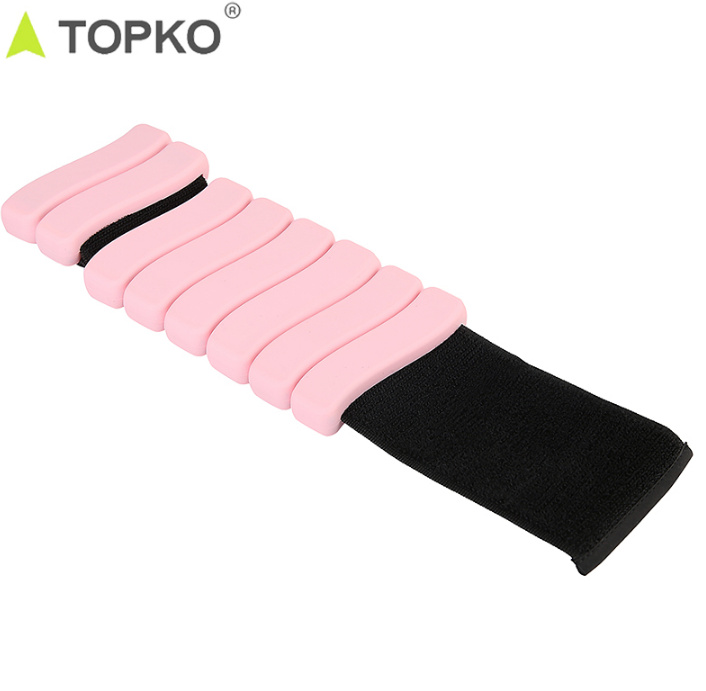
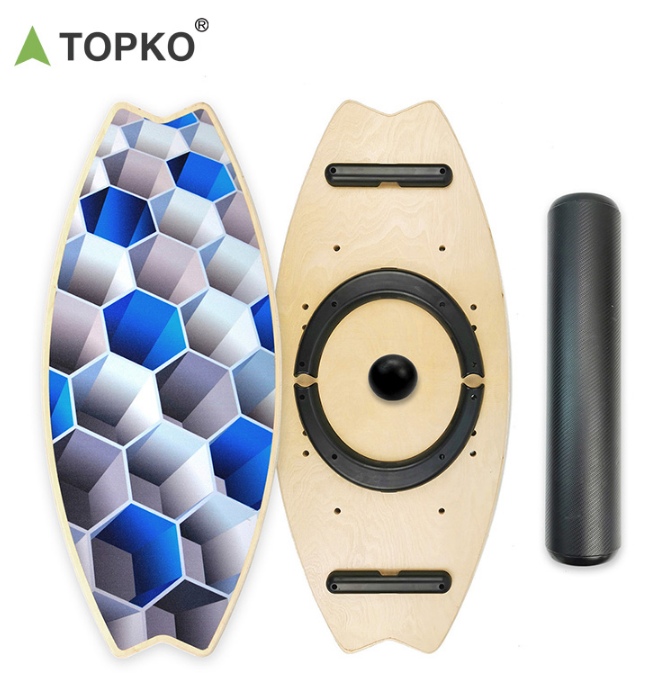
In the contemporary commercial fitness and physical therapy landscape, few training tools have undergone such a profound, scientifically supported resurgence as Indian Exercise Clubs (Meels) and Steel Clubbells. Originally forged through centuries of Persian, Indian, and British military physical culture, the biomechanical principles of club swinging have been re-validated by sports medicine physicians, kinetic chain specialists, and elite strength coaches globally.
Unlike traditional linear resistance apparatuses—such as barbells, fixed plate machines, and standard dumbbells which restrict movement to the sagittal plane—Indian exercise clubs leverage displaced centers of mass to elicit rotational, multi-planar torque. The swinging motion shifts resistance far beyond the athlete's hand, creating dynamic centrifugal momentum. This neurological demand requires continuous co-contraction of the rotator cuff musculature (supraspinatus, infraspinatus, teres minor, subscapularis), scapular stabilizers (serratus anterior, rhomboids, lower trapezius), and the entire lumbo-pelvic-hip complex (the anatomical core).
As global fitness brands, boutique training studios, CrossFit affiliates, and orthopedic rehabilitation clinics expand their functional fitness arsenals, the demand for precision-engineered, commercially durable clubs has surged. International brand procurement officers face the challenge of identifying Chinese manufacturing partners capable of bridging classical ergonomic weight distribution with modern metallurgy, CNC machining tolerances, and eco-certified wood preservation standards.
Loads the human musculoskeletal frame through transverse and frontal planes, reinforcing shoulder capsular integrity and connective fascial lines.
Swinging arcs generate mechanical traction across the glenohumeral joint, stimulating synovial fluid circulation while building non-fatiguing forearm grip power.
Rapidly integrated into physical therapy centers for post-rotator cuff repair conditioning, tennis elbow mitigation, and thoracic spine mobility enhancement.
China's manufacturing sector provides diverse material paths for Indian club production. For professional brand distributors, choosing the right material profile directly determines landed freight costs, product longevity, user tactile perception, and price-point competitiveness.
| Material Category | Standard Weight Range | Manufacturing Process | Primary Surface Finish | Ideal Market Application |
|---|---|---|---|---|
| Solid Carbon Steel (Clubbells) | 2 kg – 25 kg (5 lb – 55 lb) | CNC precision turning from solid bar billets; robotic seam welded bases | Matte powder coating, Electrophoretic deposition (EPD), or hard chrome | Commercial gyms, tactical strength, athletic conditioning, CrossFit |
| Ductile Cast Iron Clubs | 4 kg – 20 kg (10 lb – 45 lb) | Automated sand casting / shell molding with core stabilization | Textured anti-chip powder coat with recessed color-coded weight bands | High-volume retail brands, commercial gym bundles, mass distribution |
| Traditional Ash / Beech Wood | 0.5 kg – 3 kg (1 lb – 6.5 lb) | Computer-controlled copy wood lathe; kiln-dried to <10% moisture | Natural beeswax buffing, food-grade mineral oil, or polyurethane seal | Rehabilitation, mobility specialists, martial arts, classical yoga studios |
| Modular Adjustable Steel Clubs | Dynamic: 4 kg – 18 kg | Internal threaded precision tie-rods with counterweighted stacking discs | Black oxide inner spindle with CNC diamond-knurled aircraft aluminum grip | D2C home gym brands, boutique traveling coaches, space-conscious retail |
In inferior club manufacturing, weight variance between the left and right club in paired movements causes acute neurological compensation and potential shoulder microtrauma. Our SGS-audited casting and machining protocols mandate that every steel club maintains a strict weight tolerance within ±1.5% of nominal specification, with center-of-gravity displacement controlled within 2 millimeters along the longitudinal axis.
For heavy steel clubbells subjected to high-velocity decelerations, handle neck welds represent the critical failure vector. Our workshop employs fully automated pulsed MIG welding alongside full penetration TIG fusion on all base knobs and weighted bell ends, preventing structural fatigue under high dynamic drop cycles.
Operating as a specialized manufacturer assessed directly on-site by SGS Group, WLI Fitness Equipment Co., Ltd. delivers institutional-grade production support. Backed by 14 years of OEM/ODM export history and over US$19.9 million in verified annual export volume, we maintain complete control over end-to-end processing.
To accommodate varied corporate clients—from venture-backed D2C fitness hardware startups needing agile pilot runs to legacy equipment brands issuing 20-container scheduled orders—we operationalize four flexible customization pathways:
Laser-etching of vector logos onto bell collars or wood pommels, custom Pantone-matched powder coats, branded silicone base protective sleeves, and UPC barcode retail packaging. Turnaround time: 10–14 days.
Ship your physical benchmark sample to our Shanghai engineering facility. Our metrology team performs CMM 3D scanning, metallurgy spectral testing, center-of-mass calculation, and generates exact production molds within 7 days.
Provide STEP, IGES, or SolidWorks files. Our mechanical engineers optimize drafts for automated casting or CNC lathe routing, minimizing machining scrap and reducing your per-unit FOB cost by up to 18%.
From bio-ergonomic kinematic modeling to mold development, structural finite element analysis (FEA), drop testing, and regional design patent protection filings in North America, the EU, and Asia.
Every shipment leaving our factory floor passes through our 13 verified workstation cells. This structured, audit-ready operational roadmap guarantees complete traceability from raw ingots to final export container sealing.
Incoming raw steel bars and iron ingots undergo optical emission spectrometry to verify carbon, silicon, and manganese composition.
Multi-axis CNC turning centers sculpt handle contours, safety pommels, and weighted teardrop balances with micron-level consistency.
Diamond-cut medium cross knurling is applied along grip zones to ensure slip resistance during heavy sweat volume without tearing skin.
Components undergo automated steel-grit shot blasting to remove scale and micro-burrs, producing an anchored surface profile for coating adhesion.
Electrostatic powder deposition cured at 210°C ensures impact-resistant coatings rated for 150+ hours of continuous salt-spray exposure.
Fiber-optic laser marking stations etch dual KG/LB indicators, production lot numbers, and custom enterprise logos onto the collar band.
Batch samples undergo automated 1.5-meter repetitive drop tests on 50mm vulcanized rubber surfaces to guarantee neck structural weld integrity.
Custom heavy-duty 5-ply corrugated cartons with precision-molded EPE foam shells prevent transit shifting, moisture ingress, and drop scuffs.
To maintain pricing dominance and prevent inventory obsolescence, global purchasing managers must adapt to several evolving market trends driving consumer and commercial clubbell consumption:
Driven by residential shipping restrictions and urban living spaces, adjustable club designs featuring internal threaded counterweights are capturing market share from fixed sets.
Boutique yoga and Pilates franchises demand steel-core clubs encased in food-grade silicone or durable urethane, eliminating floor scuffs and clatter during synchronized group classes.
Sellers require factory-level fulfillment integration: ISTA-3A certified drop-test mail order cartons, individual FNSKU barcoding, and master cartons pre-palletized to fulfillment center specs.
Indian exercise clubs and steel clubbells possess an exceptionally favorable high-density weight-to-volume ratio compared to bulky cardio machines or foam rollers. However, this high density presents specific logistical challenges that our dedicated freight forwarders actively optimize:
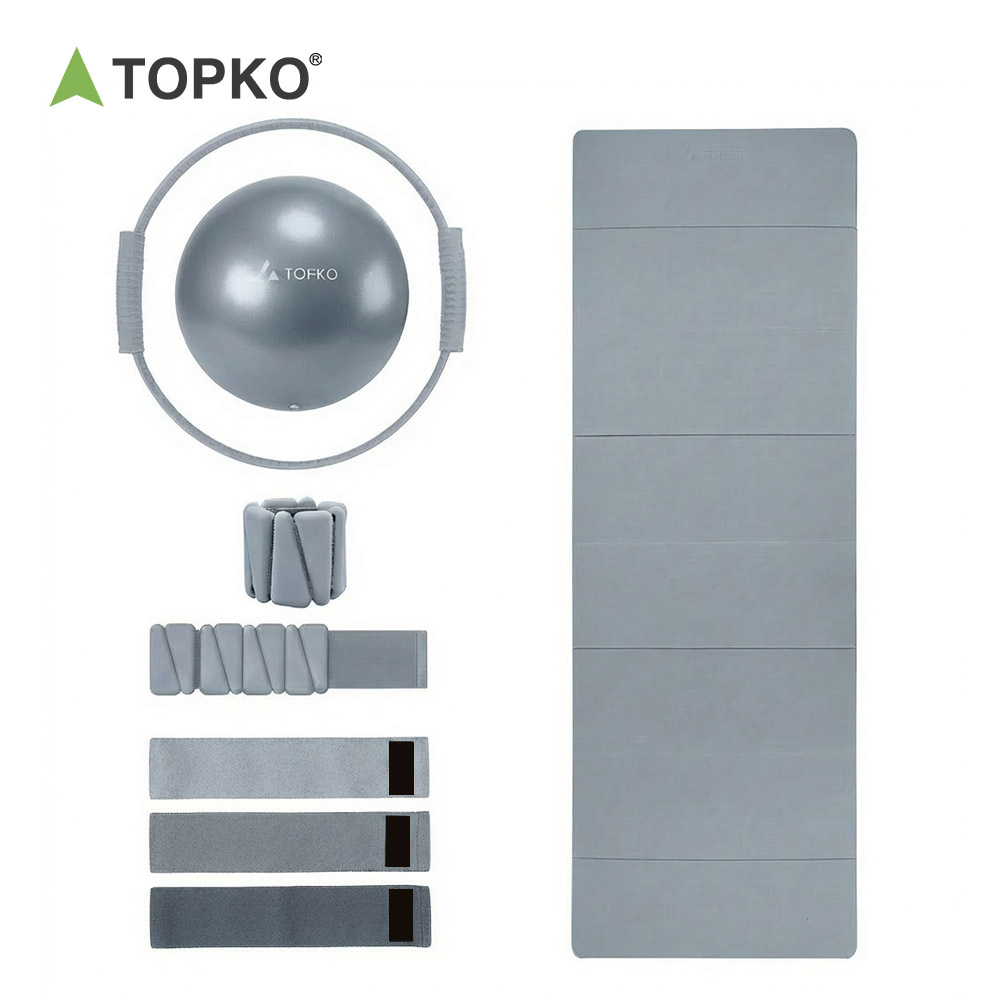
Because solid steel clubs max out container gross weight limits long before cubic volume is consumed, we provide mixed-load container consolidation. By combining heavy steel clubs with high-cube, low-weight inventory—such as our TPE yoga mats, resistance bands, and fabric loops—buyers maximize 40ft HQ container utilization and reduce landed freight per unit by up to 26%.
Standard retail packaging collapses when single-parcel couriers (UPS, FedEx, DHL) transport dense steel products. Our packaging laboratory constructs customized custom-die EPE foam inserts encased in 275-pound test burst-resistant corrugated shipping sleeves, completely eliminating courier damage claims and negative marketplace reviews.
Direct answers to the most common engineering, MOQ, compliance, and sample queries posed by commercial fitness procurement directors.