 SGS On-site Assessed Custom Manufacturer SGS On-site Assessed Custom Manufacturer
Engineered for high-throughput marketplace distributors, commercial gym chains, and brand owners seeking factory-direct mold execution and low-defect logistics reliability.
A comprehensive B2B procurement briefing on injection mold tolerances, polymer molecular density, finite element analysis (FEA), and mechanical stress thresholds.
In the competitive landscape of at-home calisthenics hardware, commercial failure rarely stems from marketing deficiencies; it stems from material fatigue, structural deflection, and poor hinge engineering under sustained shear stress. As a dedicated OEM/ODM push up board manufacturer with 14 years of multi-category export experience, our injection molding operations approach push up board fabrication not as rudimentary plastic stamping, but as structural biomechanical engineering. B2B buyers—ranging from Amazon high-velocity private labels to global sporting goods retailers—must navigate strict consumer safety regulations, drop-test compliances, and zero-defect warranties.
The foundational integrity of any push up board depends on its underlying resin blend. Low-cost market variants frequently rely on unverified secondary regrind or recycled polypropylene (PP). These materials display low flexural modulus, poor notched impact resistance, and an acute tendency toward environmental stress cracking (ESC) around high-stress handle sockets. Under dynamic loads exceeding 100 kg (220 lbs), recycled PP boards deflect excessively, causing the insertion handles to twist, jam, or fracture at the neck pins.
Our manufacturing facility utilizes high-impact virgin Acrylonitrile Butadiene Styrene (ABS) compounded with internal anti-aging stabilizers. For heavy-duty commercial grades, we incorporate 15% to 20% short glass-fiber reinforced nylon (PA6-GF) internal sub-ribbing directly beneath the primary load-bearing chassis. This delivers a tensile strength at yield exceeding 45 MPa, a Rockwell hardness (R-scale) of 105, and eliminates deck deformation even under concentrated static loads up to 300 kg (660 lbs).
| Polymer Formulation | Tensile Strength (MPa) | Flexural Modulus (GPa) | Drop Test Failure Rate (-10°C) | Optimal Procurement Channel |
|---|---|---|---|---|
| Standard Virgin ABS (757 Grade) | 42 - 48 | 2.2 - 2.6 | < 0.2% (1.5m drop) | E-Commerce Retail / Direct-to-Consumer (D2C) |
| Glass-Reinforced ABS/PA Hybrid | 65 - 82 | 3.8 - 4.5 | < 0.05% (2.0m drop) | Commercial Gyms / Elite Athletic Brands |
| Post-Consumer Recycled PP (Regrind) | 22 - 28 | 1.1 - 1.4 | > 8.4% (Brittle fracture) | Low-tier promotional (Not Recommended by WLI) |
| Custom Biodegradable PLA/ABS Alloy | 38 - 44 | 2.4 - 2.8 | < 0.6% (1.2m drop) | Eco-Conscious / European Retail Chains |
A high-converting push up board is distinguished by the clinical accuracy of its color-coded movement matrix. Modern sports medicine demonstrates that improper hand angles induce impingement syndrome in the subacromial space, causing excessive shear across the rotator cuff (supraspinatus tendon) and ulnar collateral ligament. Our mold designs utilize targeted ergonomic vectoring validated through electromyographic (EMG) testing:
Angles hand placement between 45° and 60° relative to the torso, maximizing sternal and clavicular head hypertrophy while sparing anterior deltoid overactivation.
Calibrates a wider, pronated base that emphasizes lateral and anterior shoulder heads, featuring radiused peg pockets to prevent wrist collapse.
Positions grips in a neutral sagittal corridor, shifting the moment arm directly to the triceps brachii while keeping elbows tucked safely to eliminate joint flare.
Facilitates an inverted supinated or semi-neutral grip, isolating the latissimus dorsi, rhomboids, and lower trapezius stabilizers during kinetic lockout.
A common failure in contract manufacturing is socket tolerance drift caused by thermal shrinkage in high-cavity molds. When handle pins fit too loosely (tolerance clearance > 1.2 mm), the user experiences severe wobble, leading to consumer complaints and Amazon 1-star reviews. Conversely, clearance under 0.25 mm leads to binding when sweat and dust accumulate in the receiver ports.
Our tooling division employs high-precision CNC spark erosion and hardened P20/718H mold steel running on automated cold- and hot-runner systems. Every handle pin and receiver socket is calibrated to a precision clearance of 0.45 mm ± 0.05 mm. Furthermore, the structural underside of our boards features a dual-truss honeycomb rib matrix with 2.8 mm wall thickness, preventing the plastic sink marks commonly visible on inferior commercial surfaces.
Strategic demand forecasting for brand buyers, merchandising directors, and supply chain managers.
The standard mechanical push up board is rapidly evolving into an interactive connected fitness console. Next-generation RFPs frequently mandate embedded dual-axis magnetic Hall sensors or load-cell strain gauges within handle sockets. These transmit rep cadence, asymmetrical power imbalances (left vs. right arm force distribution), and eccentric time-under-tension directly to branded iOS/Android apps via BLE 5.2. As an experienced electronics integration partner, we assemble PCB microcontrollers, recharge modules, and digital LCD displays directly on-line.
Freight volume is the single most critical variable dictating landed profit margins. Traditional 2-fold push up boards remain bulky, consuming substantial cubic meterage (CBM) in 40ft High Cube containers and triggering Amazon "Heavy/Bulky" fulfillment surcharges. The procurement frontier has shifted toward patented 4-fold and modular interlocking configurations. By engineering heavy-duty stainless-steel pin hinges with slide-locks, our folded volume decreases by 48%, allowing brands to pack up to 4,200 units per 40HQ container versus 2,300 units for standard boards.
Single-purpose fitness gear is suffering diminishing conversion rates across major e-commerce platforms. High-growth private label brands now procure unified calisthenics ecosystems. Our newest tooling configurations feature reinforced lateral eyelets rated for 150 lbs of resistance band tension, sliding track systems that convert handles into core-engaging ab-carvers, and integrated balance-board rocker attachments. This transforms an entry-level SKU into an all-in-one portable gym system with significant retail price expansion.
European and North American regulatory mandates (such as the EU Corporate Sustainability Due Diligence Directive) are forcing retailers to audit Scope 3 carbon footprints. We are leading this transition with our closed-loop PCR ABS blending lines and bio-circular cellulose composites. By maintaining rigorous mechanical tensile thresholds while incorporating up to 40% certified GRS (Global Recycled Standard) resins, we empower corporate buyers to meet stringent ESG targets without sacrificing durability.
Glued EVA foam handles represent a critical point of warranty failure: they degrade under sweat, absorb skin oils, slip around plastic cores, and tear after minimal consumer usage. Industry procurement has pivoted entirely toward robotic dual-injection (2K) overmolding. We inject a rigid polyoxymethylene (POM) inner core bonded molecularly with a soft, textured Thermoplastic Elastomer (TPE) exterior grip. The result is an indestructible, non-slip, hygienic handle that withstands commercial sanitizers and continuous friction.
With shipping carrier surcharges penalizing fragile or oversized packaging, procurement teams now require ISTA-1A and ISTA-3A certified retail packaging. We provide factory-engineered, structural high-density corrugated gift boxes with custom molded pulp or cross-linked polyethylene inserts. Every packaged unit is drop-tested from 10 points (corners, edges, and faces) to ensure zero transit fractures before goods arrive at customer warehouses.
Our audited factory footprint combines precision automated injection, silicone vulcanization, industrial sewing, and rigorous quality inspection to deliver seamless contract manufacturing.
Low MOQ private labeling, laser engraving, high-adhesion pad printing, custom Pantone PMS color matching, and branded retail carton design.
Reverse engineering from physical client prototypes using optical CMM laser digitizers to replicate or upgrade existing tool paths in 7 to 10 business days.
Translating client 3D STEP/IGES CAD files into moldable plastic geometries with optimized draft angles, injection gates, and structural rib architectures.
Concept ideation, patent clearance, prototype 3D SLS printing, custom hardened tool machining, pilot production runs, and global certification testing.
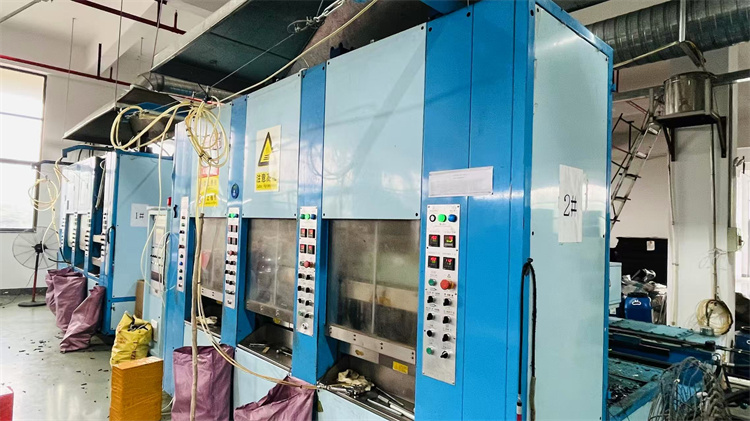
Computerized dehumidifying, masterbatch color blending, and high-density foaming for accessories.
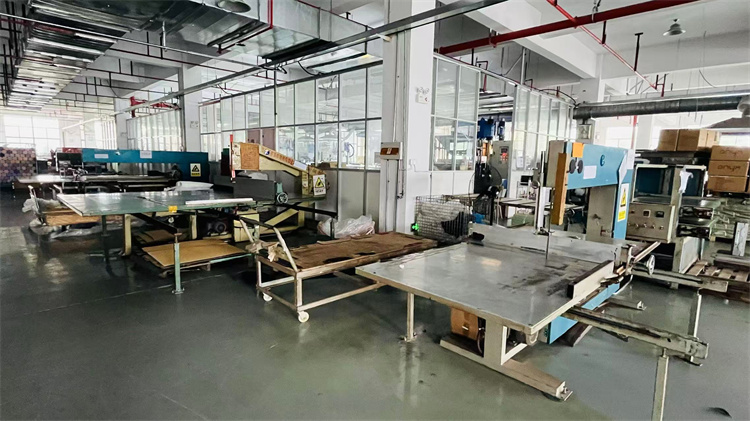
Automated cutting and slitting machines ensuring tight dimensional tolerances across all components.
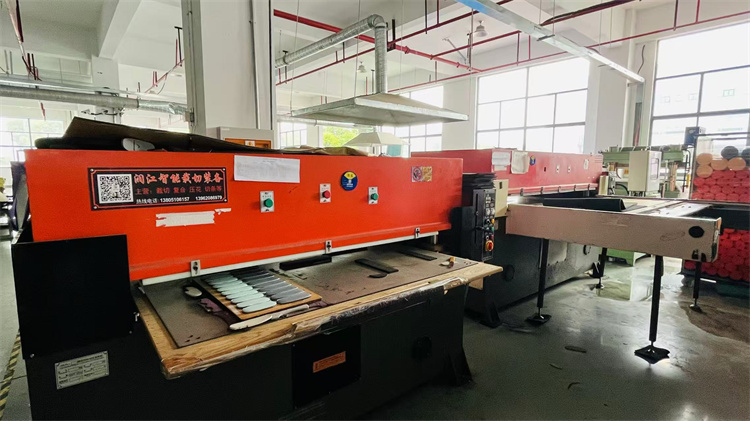
Hydraulic stamping, cold-punching, and multi-ton injection cycles forming structural chassis plates.
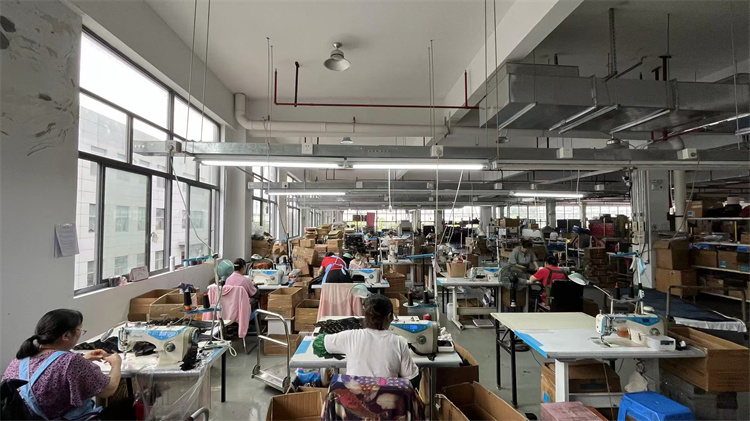
Reinforced dual-needle box stitching for heavy-duty resistance band anchors and soft-goods integration.
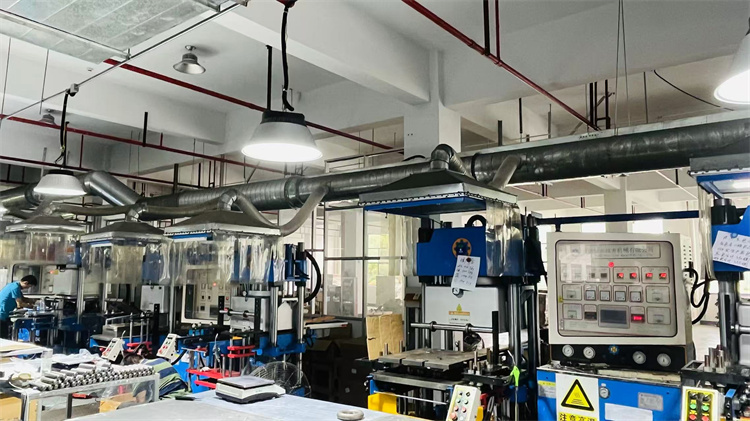
High-temperature compression molding producing anti-skid foot pads and ergonomic handle sleeves.
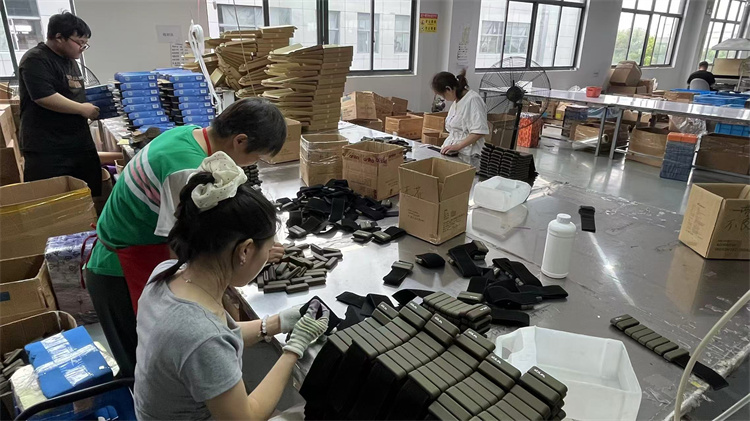
SGS-audited inspection protocols: optical dimension checks, snap-fit pin testing, and load-deflection verification.
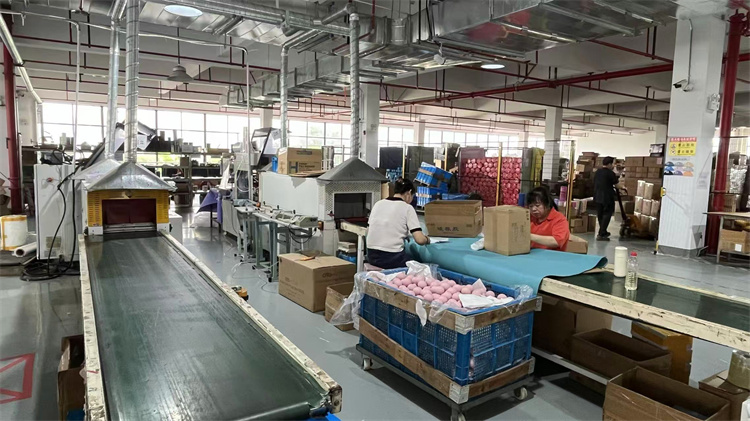
Moisture barrier wrapping, barcode verification, and high-strength export master carton strapping.

Direct palletization, container drayage consolidation, and end-to-end FBA direct warehouse delivery.
In-depth technical, commercial, and quality assurance responses prepared by our senior engineering team.
Tooling costs and timelines depend directly on product dimensions, mold cavity count, and hinge complexity. For a standard 2-fold push up board using single-cavity P20 hardened steel (guaranteed for 300,000 to 500,000 shots), tooling typically ranges between $8,500 and $14,000 USD. The development cycle follows strict milestones: DFM (Design for Manufacturability) analysis in 3 days, 3D mold-flow simulation in 48 hours, CNC rough and finish milling in 20 days, and T1 sample submission within 30 to 35 calendar days.
For rapid market testing without high upfront tooling CapEx, clients frequently utilize our existing open-mold chassis while creating proprietary custom tooling solely for the handle grips, resistance band attachments, or packaging inserts, reducing initial tooling investment to under $2,500 USD.
Socket failure is fundamentally caused by sharp inner corners creating high stress concentrations during lateral handle force. We address this through three engineering parameters: First, our internal CAD models incorporate a 1.5 mm minimum radius filleted corner at every socket transition, dissipating sheer force into the primary floor ribbing. Second, our handles utilize internal gusseted webbing molded from pure ABS or high-tensile POM, capable of withstanding dynamic cyclic testing of 150 kg (330 lbs) applied at a 45-degree angle for 50,000 continuous strokes.
Every production batch undergoes destructive testing where randomly selected units must hold a 300 kg (660 lbs) static compressive load for 30 minutes without plastic yield, permanent deflection exceeding 2 mm, or structural micro-fracturing.
Our production minimums are structured to support both agile brand launches and full-scale retail distribution:
• In-Stock / Standard Colorway: Starting from 50 to 100 units for rapid pilot tests.
• Custom Pantone Color Match & Silk Screen Logo: MOQ starts at 500 units, allowing full custom coloration of the baseboard, handles, and non-skid pads.
• Custom Retail Gift Box (CMYK Print): MOQ of 1,000 units due to offset printing plate economies of scale.
• Proprietary Mold Development (ODM): Initial pilot run of 2,000 to 3,000 units, with tooling amortized or refunded upon reaching agreed volume tiers (typically 20,000 units).
With extensive experience supporting global top-10 fitness sellers across Amazon US, EU, and Japan, our packaging line operates in strict accordance with Amazon Seller Central fulfillment guidelines. We execute automated FNSKU barcoding, suffocation warning labeling on polybags, master carton gross weight restrictions (< 50 lbs / 22.6 kg), and custom pallet configurations optimized for standard 48x40 inch GMA pallets and European 1200x800 mm EPAL pallets.
Crucially, our standard e-commerce mailer boxes are engineered to fall below the Amazon Large Standard-Tier dimension threshold whenever possible, saving our clients between $1.20 and $2.80 in fulfillment fees per unit sold compared to oversized competitor cartons.
Our products are manufactured to pass comprehensive third-party lab verifications (SGS, TÜV Rheinland, Intertek). All polymer compounds, pigments, and TPE rubbers comply with EU REACH Regulation (EC) No 1907/2006 (covering 235+ Substances of Very High Concern), RoHS 2.0, and California Proposition 65 (ensuring total lead content < 100 ppm, total cadmium < 100 ppm, and phthalate concentrations < 0.1%).
Mechanically, we test to EN ISO 20957-1 (Stationary training equipment - General safety requirements and test methods). Formal accredited laboratory test certificates can be commissioned directly under the buyer's corporate entity prior to container dispatch.
As an SGS-assessed Verified PRO manufacturer, our quality assurance follows MIL-STD-105E / ISO 2859-1 Sampling Plans (AQL 1.0 Major, 2.5 Minor). Our multi-stage protocol includes:
1. IQC (Incoming Quality Control): Melt flow index (MFI) and moisture content verification of all raw ABS resin granules.
2. IPQC (In-Process Quality Control): Hourly dimensional tolerance audits across handle insertion ports and robotic thermal check on injection cooling cycles.
3. FQC (Final Quality Control): 100% cosmetic surface inspection, checking for flash, sink marks, or print misalignment.
4. OQC (Outgoing Quality Control): Pre-shipment carton drop-testing, weight auditing, and container temperature/humidity logging.
Connect directly with our engineering division to request comprehensive technical specification sheets, 3D STEP CAD files, physical pre-production sample kits, or confidential OEM tooling quotations.