 SGS On-site Assessed Custom Manufacturer SGS On-site Assessed Custom Manufacturer
Direct factory-engineered ergonomic corrective lines, functional rehab gear, and core stabilization devices manufactured under strict SGS quality compliance.
Deep dive analysis into structural densities, high-yield composite foams, and cross-channel margin strategies for B2B fitness buyers.
Historically, the classical Pilates Spine Corrector (or Pilates Arc / Step Barrel) was crafted primarily from hardwood foundations, covered with synthetic PU leather and padded with polyurethane sponge. While traditional studio purists value the wood aesthetic, modern enterprise buyers—especially Amazon FBA operations, boutique fitness franchise networks, and commercial gym chains—are aggressively pivoting to Engineered Expanded Polypropylene (EPP) and high-resilience co-polymer molding.
The engineering rationale is undeniable:
To assist category managers in optimizing bill-of-materials (BOM) specs based on sales channels, our manufacturing engineering division has compiled the technical comparison matrix below:
| Performance Metric | Expanded Polypropylene (EPP) | High-Density Compressed EVA | Solid Birch / Maple + PU Vinyl |
|---|---|---|---|
| Density Range | 45 g/L – 60 g/L (Industrial Grade) | 85 kg/m³ – 110 kg/m³ | 650 kg/m³ (Hardwood Core) |
| Structural Deformation (150kg Load) | < 0.5% after 100,000 cycles | 1.8% - 3.2% compression set | Zero flex (Rigid structure) |
| Unit Net Weight | 1.8 kg – 2.4 kg | 3.2 kg – 4.5 kg | 8.5 kg – 12.0 kg |
| Target Sourcing Channel | Amazon FBA, E-Commerce, Retail Chains | Mid-tier Pilates Studios, Gyms | Luxury Pilates Studios, Clinics |
| Tooling & Mold Amortization | High tooling cost; ultra-low unit cost | Medium die-cut / heat tooling | Low tooling cost; high labor BOM |
Looking into 2025–2028, B2B procurement trends highlight two decisive technological advancements in the spine corrector category: adjustable-radius spinal arcs and hybrid resistance band anchor arrays. The conventional static barrel curvature fails to accommodate varying patient anthropometries, particularly during rehabilitation for hyper-kyphosis or degenerative disc pathologies. WLI Fitness R&D is pioneering internal structural ratchets and calibrated slot-in curvature inserts that enable clinical practitioners to adapt the radius of curvature from 28° to 45°.
Furthermore, commercial buyers are increasingly ordering models pre-engineered with reinforced polycarbonate eyelets. These allow direct clipping of high-tensile latex resistance bands, expanding the equipment utility from pure passive spinal elongation to progressive resistance eccentric rotator cuff, gluteal, and abdominal conditioning.
With 14 years of certified sports equipment export expertise, we protect our brand partners against supply chain disruption, intellectual property infringement, and quality deviations.
We provide minor customization (custom laser-etched branding, Pantone-matched custom foam pigments, silk-screen logos, barcode packaging), sample-based prototyping (7-day rapid turnaround), CAD/3D file-based tooling, and complete ground-up structural engineering supported by 6 proprietary utility patents.
Every lot passes rigorous mechanical stress testing, impact fatigue cycle testing, skin-contact non-toxicity assessments, and strict dimensional verification. As an SGS-verified PRO Supplier, our quality assurance protocols ensure your return rate remains below 0.18% across global channels.
Avoid expensive transloading repacking fees. We engineer 5-ply reinforced corrugated outer cartons with custom molded corner EPS/EPP protectors certified to ISTA-1A and ISTA-3A drop test specifications, complete with customized FNSKU labeling, polybag suffocation warnings, and palletization schemes.
Operating high-tonnage steam molding autoclaves, hydraulic precision presses, automatic foam slitters, industrial CNC cutters, and ultrasonic welding machines across 13 dedicated equipment stations. Our monthly capacity exceeds 85,000 composite Pilates components.
Support your product lifecycle seamlessly. While standard custom injection projects require massive upfront runs, our streamlined tooling protocols allow brand-stamped runs from as low as 50–100 pieces for market validation, scaling up to full 40-foot High Cube multi-container shipments.
Direct communication with professional account managers (Stella, Elise, Jim, Jack, Liam) backed by biomechanical designers. We evaluate your target consumer demographic, expected duty tariffs, and distribution logistics to engineer products engineered for margin protection.
Clear, transparent answers addressing tooling amortization, structural testing, quality verification, and international export logistics.
Traditional wood/PU leather spine correctors involve minimal tooling investment since components are cut via CNC routers and hand-upholstered, making prototype lead times 7–10 days with zero mold fees. However, production labor is intensive, and per-unit manufacturing costs remain high. In contrast, high-precision EPP foam steam molds require an initial aluminum tooling investment (typically ranging from US$4,500 to US$7,500 depending on cavity complexity and sliding inserts), taking approximately 20–30 days for CNC mold fabrication. Once the tooling is complete, cycle times drop to minutes per unit, drastically lowering production cost per unit and delivering significant margins on bulk production orders exceeding 1,000 units.
Our tooling molds incorporate high-grade chemical texturing (VDI 3400 standard) directly onto the aluminum cavity surfaces. This molds an integrated micro-groove, anti-slip texture directly into the EPP or EVA skin without requiring secondary topical coatings that could peel or wear away. For structural testing, our in-house QC laboratory conducts static load testing at 250 kg for 24 continuous hours, followed by dynamic cyclic loading of 150 kg for 100,000 repetitions. Units must show less than 1% irreversible structural deformation to pass inspection.
For blank stock or standard black EPP spine correctors, the MOQ is 50 pieces. Custom hot-stamped or laser-engraved logos can be produced starting at 100 units. For custom PMS-matched foam colors (e.g., dual-tone aesthetic, pastel studio colors) or custom-molded high-relief logos embedded directly in the mold cavity, the MOQ is typically 500 units per color run due to the minimum batch requirements of raw bead foaming pigmentation.
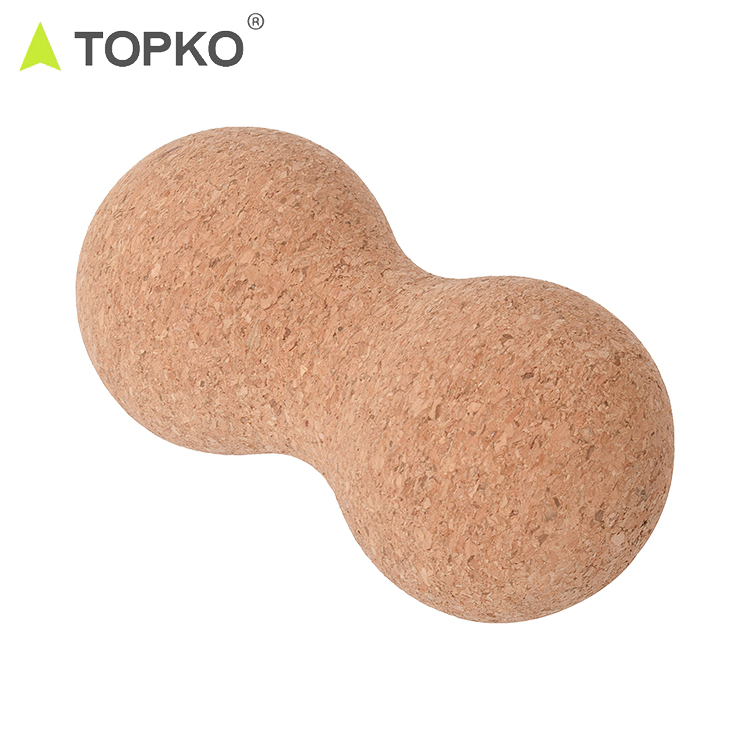
Yes. As a verified full-spectrum fitness equipment manufacturer and exporter, one of our greatest commercial advantages is mixed-container logistics. Importers can combine Pilates Spine Correctors with our matching yoga mats (TPE, cork, PU rubber), resistance band sets, massage peanut cork balls, and strength conditioning accessories inside a single 40ft HQ container. This eliminates LCL (Less-than-Container Load) freight premiums and simplifies customs clearance through a single unified Bill of Lading (BOL).
Our raw material formulations undergo testing through certified third-party laboratories (including SGS, TÜV Rheinland, and Intertek). We provide compliance test reports verifying that our foam and vinyl products comply with REACH SVHC (Substances of Very High Concern), RoHS directives, POPs (Persistent Organic Pollutants), PAH (Polycyclic Aromatic Hydrocarbons), and California Proposition 65 total lead and phthalate limits.
Standard export packaging includes individual polybag wrapping, silica gel moisture desiccants, reinforced 275-lb bursting test corrugated cartons, and custom molded edge protectors. We conduct certified ISTA-1A drop tests (1 corner, 3 edges, 6 faces dropped from 30 inches) to verify that zero cosmetic denting or creasing occurs during express sorting or parcel delivery.
Request technical 3D CAD step files, detailed OEM tooling quotes, or factory-direct material samples today.