SGS On-site Assessed Custom Manufacturer SGS On-site Assessed Custom Manufacturer
Our export lines merge high-density polyurethane and vulcanized rubber compounds with structural steel fabrication, supporting commercial strength centers, collegiate athletic facilities, and premier private-label brands worldwide.
Why high-traffic commercial gym franchises, national sports federations, and premier equipment brands are aggressively phasing out sulfur-vulcanized rubber in favor of precision thermoset polyurethane weight plates.
In the high-stakes environment of commercial strength conditioning, Olympic weightlifting platforms, and functional fitness arenas, bumper plates are exposed to violent, repetitive kinetic impacts. Traditional vulcanized natural rubber (NR) and styrene-butadiene rubber (SBR) bumper plates suffer from systemic polymer degradation: plasticizer migration leading to brittle fracture, center hub separation caused by shear stress, and volatile organic compound (VOC) off-gassing that impacts indoor facility air quality. Polyurethane (PU)—specifically liquid Cast Polyurethane (CPU) based on diphenylmethane diisocyanate (MDI) prepolymers and polyether polyols—presents an advanced molecular matrix engineered to withstand continuous mechanical punishment.
Unlike raw crumb rubber plates that bounce unpredictably and dangerously high upon drop from overhead lockout, CPU weight plates absorb kinetic energy cleanly. The material retains a consistent bounce rebound below 50mm, significantly reducing barbell shaft whipping, sleeve warping, and athlete injury on lifting platforms.
The primary point of structural failure in lower-grade weight plates is the bond interface between the steel hub and outer protective rim. Elite CPU factories employ chemical silane coupling agents paired with precision-machined mechanical dovetail grooves on CNC steel discs, making hub delamination physically impossible.
Because CPU boasts an ultra-high tear strength (≥ 75 kN/m) and high shore hardness, plates are cast with substantially thinner cross-sections than rubber equivalents. Athletes can load upwards of 290kg (640lbs) on a standard 50mm Olympic sleeve, satisfying competitive powerlifting and heavy deadlift requirements.
| Evaluation Parameter | Thermoset Cast Polyurethane (CPU) | Thermoplastic Polyurethane (TPU) | Virgin Vulcanized Rubber | Recycled Crumb Rubber |
|---|---|---|---|---|
| Shore Hardness Range | 90A – 94A (Optimized Dead Bounce) | 80A – 88A (Slightly Flexible) | 75A – 85A (Moderate Rebound) | 65A – 75A (Excessive Wild Bounce) |
| Tensile Strength (MPa) | 42 – 48 MPa | 28 – 35 MPa | 12 – 18 MPa | 6 – 9 MPa |
| Drop Test Endurance (Cycles) | 30,000+ Cycles (Commercial Certified) | 12,000 – 18,000 Cycles | 8,000 – 12,000 Cycles | 3,000 – 5,000 Cycles |
| Hub Retention System | Dovetail CNC Locked + Silane Matrix | Injection Shrink Overmolding | Vulcanized Brass/Steel Ring | Pressed Stainless Ring |
| VOC & Odor Level | Zero Odor / Food Contact Safe Grade | Zero Odor / Insoluble | Moderate Rubber / Sulfur Odor | Heavy Petroleum Off-Gassing |
| Aesthetics & Logo Longevity | Embossed Polyurethane Molded Fills | Laser Etch / Hot Stamping | Painted Silk-Screen (Fades Fast) | Stenciled Surface Ink |
An objective, supply-chain analysis of manufacturing clusters in China, Taiwan, the European Union, and North America, benchmarked across automated casting, metallurgical precision, and raw material procurement.
When selecting a manufacturing partner for premium commercial urethane plates, institutional procurement managers, sporting goods distributors, and fitness equipment brands must navigate stark differences in production methodologies. The global manufacturing capacity for Olympic urethane plates is highly concentrated across four core geographical foundry corridors:
Home to the most advanced automated CPU metering and casting plants in the world. Utilizing closed-loop European casting dispensers, precision CNC steel hub fabrication, and integrated clean-room coloring stations, this corridor delivers the highest weight consistency (within ±10g on 25kg plates) alongside competitive export logistics via Shanghai and Ningbo ports.
Renowned for massive raw steel casting capacity and deep iron foundry integration. These factories excel in high-volume, low-cost cast-iron core plates overmolded with thermoplastic polyurethane (TPU). While cost per ton is highly competitive, buyers must conduct thorough on-site metallurgical auditing to verify core porosity and coating adhesion tolerances.
Foundries operating in Taichung and Central/Northern Europe specialize in boutique, sanctioned competition bumpers adhering strictly to International Weightlifting Federation (IWF) dimensions (450mm outer diameter with 50.4mm precision center bore). These plants boast aerospace-grade finishes but carry unit prices 40% to 75% higher than mainland factories.
Before issuing irrevocable Letters of Credit (L/C) or releasing 30% T/T production deposits, international buyers must benchmark prospective exporters against the following operational criteria:
Verify whether the vendor operates true Cast Polyurethane (CPU) low-pressure mixing machines with heated vacuum degassing, or basic high-pressure TPU screw injection molders that leave air bubble inclusions.
Insist on chrome-plated forged solid steel discs with precision CNC bored centers (50.4mm +0.2mm/-0.0mm). Avoid cheap cast iron cores with stamped sheet metal sleeves that loosen within 1,000 drops.
Request certified 12-point durometer mapping across the face and outer perimeter. Shore hardness must sit precisely between 88A and 92A to prevent structural deformation or surface chipping under drop stress.
Require documented pneumatic automated drop-test reports. Samples loaded onto competition bars must complete a minimum of 20,000 drops from 2.2 meters onto 20mm rubber flooring without collar displacement.
Emerging manufacturing shifts and commercial design innovations transforming polyurethane free-weight specifications over the next commercial buying cycle.
Next-generation bumper designs utilize an ultra-dense 95A CPU core bonded to a high-rebound 85A outer rim. This dual-layer architecture dampens acoustic vibration and platform noise in high-density urban residential fitness centers without sacrificing sleeve rigidity.
Large fitness chains and institutional athletic departments are mandating embedded ultra-high frequency (UHF) RFID transponders vulcanized directly into the urethane flange. This enables real-time plate tracking, automated inventory auditing, and usage frequency analytics.
With stringent European CSRD (Corporate Sustainability Due Diligence) and North American ESG reporting requirements taking effect, forward-thinking foundries are adopting castor-oil derived bio-polyols to displace up to 30% of petroleum-derived precursors, lowering embodied carbon.
A verified manufacturer combining 14 years of production maturity, rigorous SGS on-site audited quality controls, and comprehensive OEM/ODM supply chain integration.
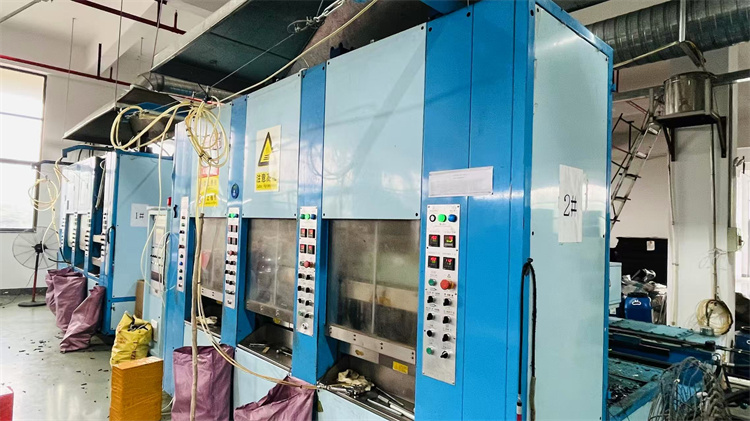
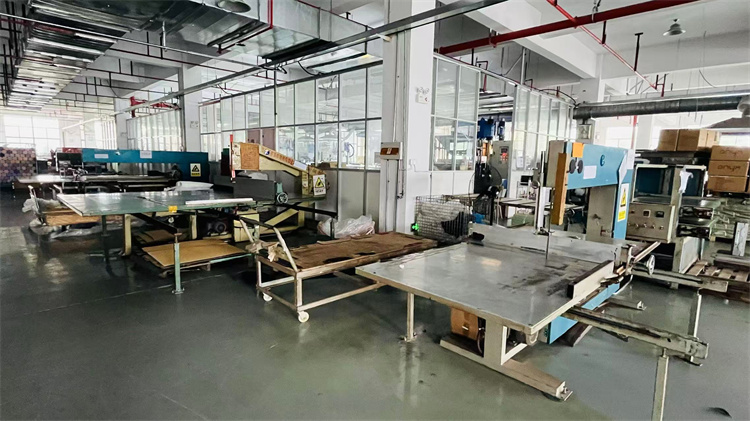
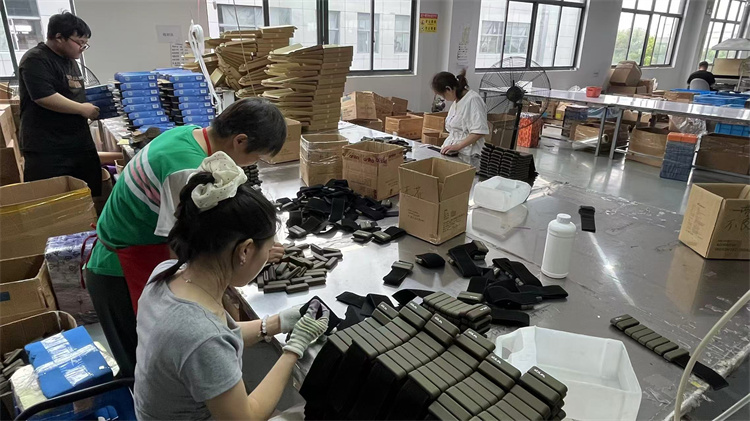
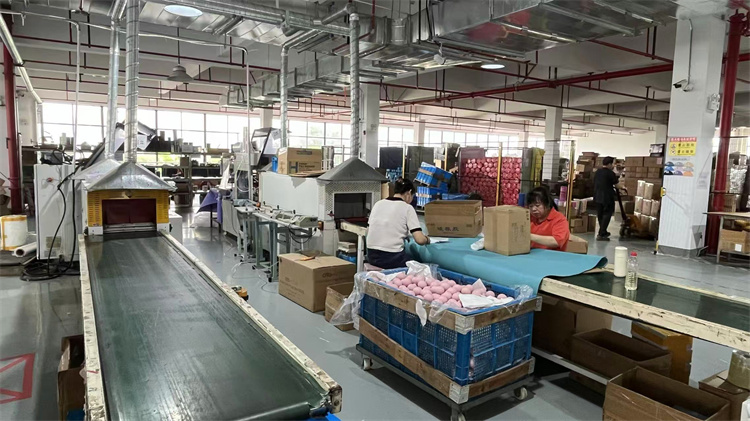
Our complete facility, in-line raw material spectroscopy, casting ovens, and QA testing stations are verified on-site by SGS Group. With over US$19.9M in annual exports and Verified PRO credentials, we remove compliance risk for national retailers and government tenders.
From minor custom laser-engraved logos, custom Pantone urethane color batches, and retail packaging to complete ground-up 3D tool-and-die mold fabrication backed by our 6 utility patents, our 87+ dedicated technicians streamline product launch cycles from CAD to container.
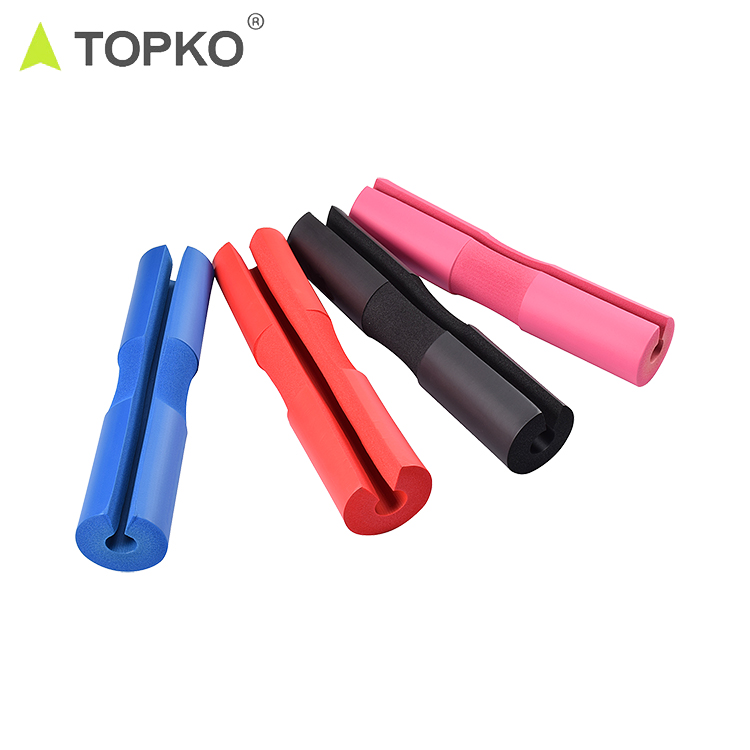
Eliminate fragmented freight overhead by mixing commercial CPU plates, barbell pads, power cages, core trainers, and yoga accessories into single full-container loads (FCL), optimized for Amazon FBA pallet standards or commercial warehouse distribution.
Authoritative answers on minimum order quantities, tooling amortization, color longevity, and container loading logistics.
Contact our engineering consultants to receive complete CAD drawings, material safety data sheets (MSDS), SGS inspection reports, and customized container volume quotations within one business day.