 SGS On-site Assessed Custom Manufacturer SGS On-site Assessed Custom Manufacturer
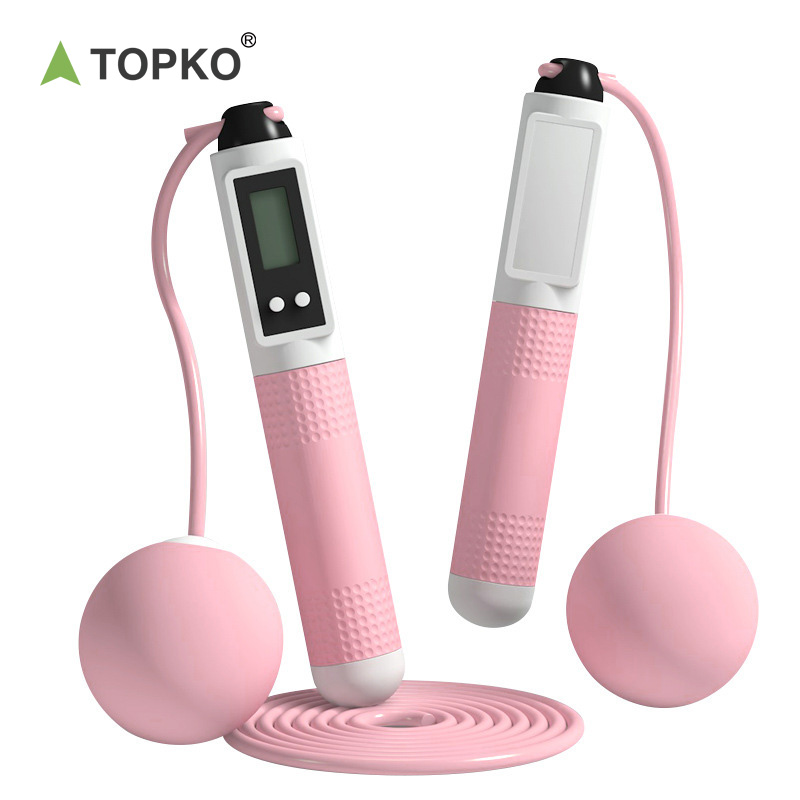
Manufactured to rigorous international dimensional standards. Pair your Olympic bumper plate container orders with verified commercial accessories, protective supports, and specialized cardiovascular conditioning equipment.
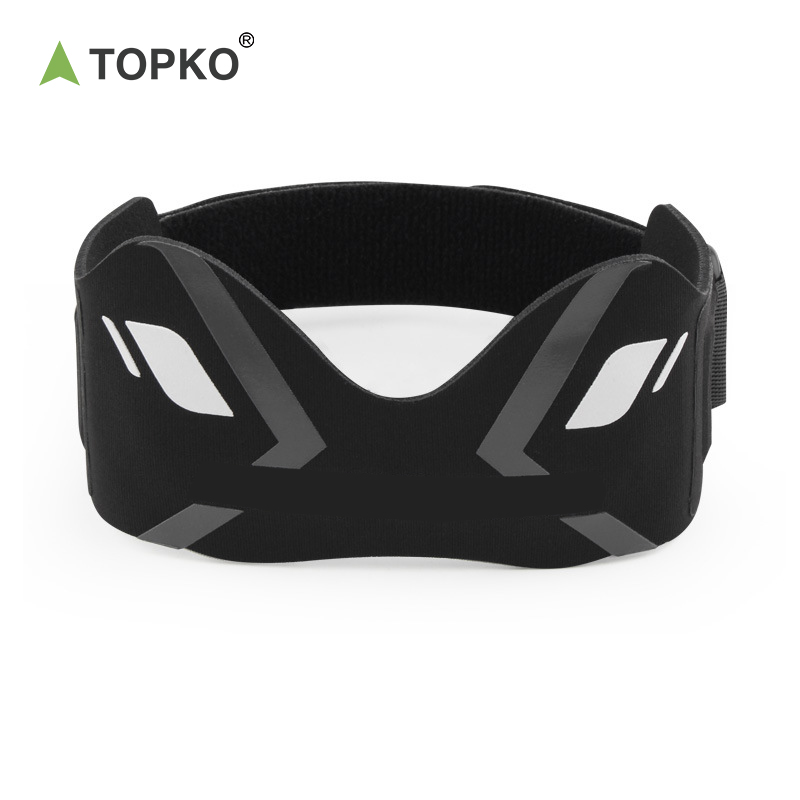
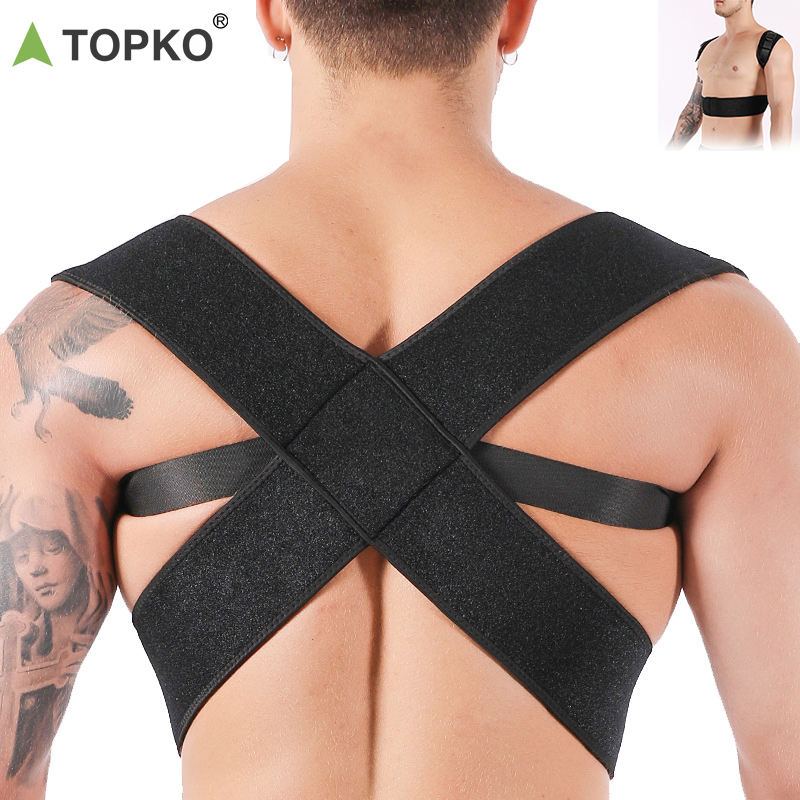
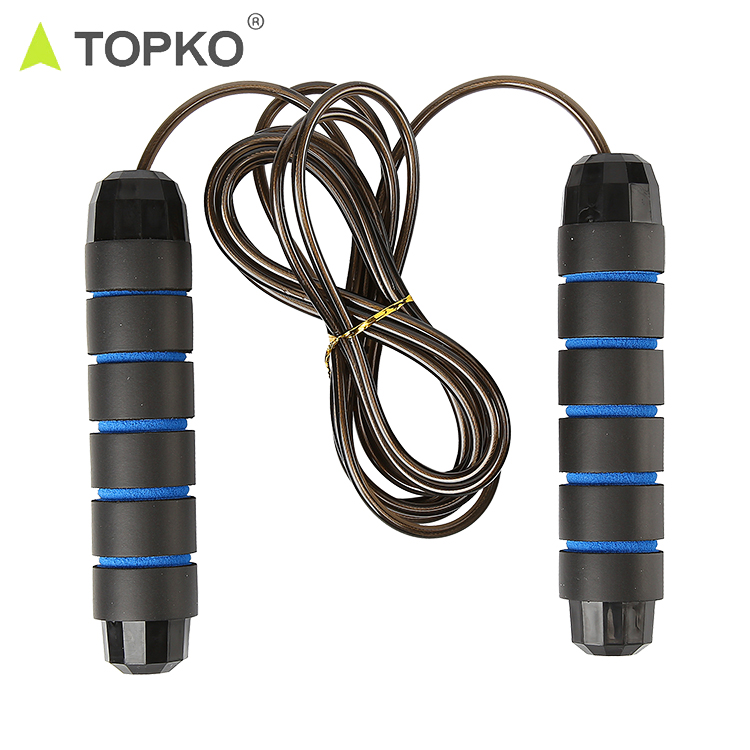
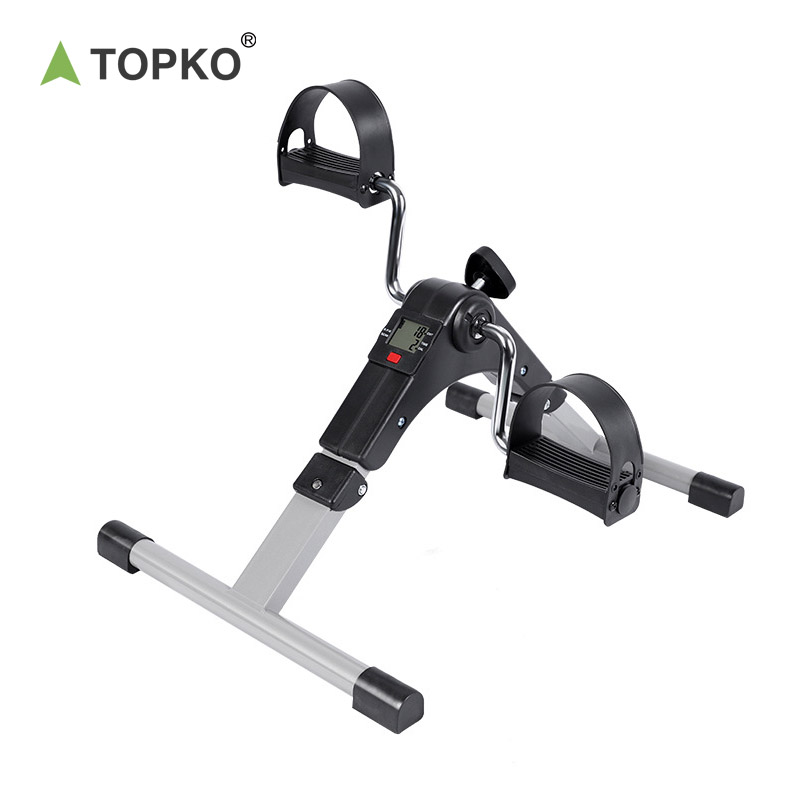
For international commercial gym operators, specialized strength brand managers, and high-volume Amazon FBA importers, procurement of Olympic bumper plates from China requires navigating precise metallurgy, polymer chemistry, weight calibration, and vulcanization tolerances.
Bumper plates represent the foundational capital asset in any functional fitness, weightlifting, or powerlifting facility. Unlike conventional cast-iron weight plates, which crack under dynamic deceleration or degrade barbell sleeves upon repeated impact, high-performance bumper plates are engineered to absorb kinetic energy through controlled mechanical hysteresis. When sourcing directly from verified Chinese industrial manufacturers, institutional buyers must evaluate suppliers not solely on FOB pricing, but on critical engineering metrics: Shore A durometer hardness ratings, mechanical anchoring mechanisms of the inner hub, polymeric composition (virgin natural rubber versus cast polyurethane), and drop-cycle endurance validation (ASTM D2240 and 20,000+ drop certifications).
Over the last decade, Chinese heavy-equipment manufacturing clusters across Shandong, Jiangsu, and Zhejiang have evolved from rudimentary iron foundries into precision-engineered elastomeric facilities. Today, leading Chinese manufacturers supply the vast majority of tier-one Olympic weightlifting discs distributed across North America, Europe, and Australasia. Achieving sustained profitability and customer satisfaction in your regional market hinges on mastering the chemical, mechanical, and logistical nuances detailed in this comprehensive technical guide.
| Classification | Polymer Formulation | Shore A Rating | Center Insert Architecture | Tolerance | Typical Application |
|---|---|---|---|---|---|
| Competition Bumper Discs | Cast Polyurethane (CPU) or Pure Virgin Rubber | 90A – 94A (Dead Bounce) | Forged Precision Steel Hub with Chrome/Zinc Plating | ±10 grams (Calibrated) | IWF Sanctioned / Elite Clubs |
| Commercial Training Bumpers | Synthetic/Natural Virgin Blend Rubber | 86A – 90A (Controlled Low Bounce) | Co-Molded 304 Stainless Steel Ring with Anchor Flange | ±0.5% - 1.0% | CrossFit Boxes / University Gyms |
| Crumb / Recycled Bumpers | Vulcanized Granulated SBR Tires with Polyurethane Binder | 75A – 82A (High Bounce) | Brass or Machined Steel Press-Fit Bushing | ±2.0% | Outdoor Bootcamps / Home Gyms |
| Fractional Technique Plates | High-Density Virgin Polyethylene or Solid Rubber | 92A – 96A | Solid Polymeric Single-Piece or Precision Steel Insert | ±10 grams | Youth & Technique Progression |
Before issuing purchase orders, evaluate suppliers based on these four foundational pillars of structural longevity and mechanical compliance.
The single most frequent failure point in substandard bumper plates is separation of the central collar ring from the vulcanized rubber disc. Superior China manufacturers implement mechanical multi-point anchor locks or welded radial crossbars embedded deeply within the elastomeric core, preventing rotational loosening during repetitive high-impact drops from overhead lockouts.
Plates vulcanized to a hardness rating below 85 Shore A produce erratic, high-rebound behavior that poses severe safety hazards in crowded commercial facilities. We calibrate our competitive and training lines to 88–92 Shore A, ensuring a precise "dead bounce" (rebound under 150mm upon dropping onto 20mm rubber flooring), preserving barbells and subflooring.
Global fitness operators mandate strict adherence to International Weightlifting Federation geometry: an outer diameter of exactly 450mm (17.72 inches) across all standard weights (10kg/25lb through 25kg/55lb) and an inner collar bore of 50.4mm to 50.6mm. This ensures snug seating on Olympic sleeves without lateral binding or destructive wobble.
Macro-economic developments, material science breakthroughs, and environmental regulations are reshaping how global fitness brands contract their production.
While virgin natural rubber remains the cost-effective benchmark, premium commercial gyms and institutional collegiate athletic departments are shifting rapidly to German-grade Cast Polyurethane (CPU). CPU delivers three times the tensile strength of standard vulcanized rubber, eliminates rubber odors completely, and enables ultra-vibrant, wear-proof color inlays with zero degradation under UV light or heavy sanitization protocols.
European and North American regulatory authorities (such as the EU REACH Annex XVII regarding Polycyclic Aromatic Hydrocarbons / PAHs) are imposing strict chemical restrictions on rubber fitness equipment. Forward-looking buyers require Chinese exporters to provide certified third-party testing confirming low-VOC, non-toxic, PAH-compliant plasticizers in all rubber vulcanization formulations to avoid border seizures.
Traditional bumper plates have wide profiles, limiting the maximum loading capacity on an Olympic barbell (typically capped at around 200kg). Modern athletes require slim-profile engineering (e.g., 25kg plates engineered at ≤60mm thickness). This requires high-pressure hydraulic compression (≥800 tons) and integrated high-density steel cores encased in ultra-durable thin elastomer coatings.
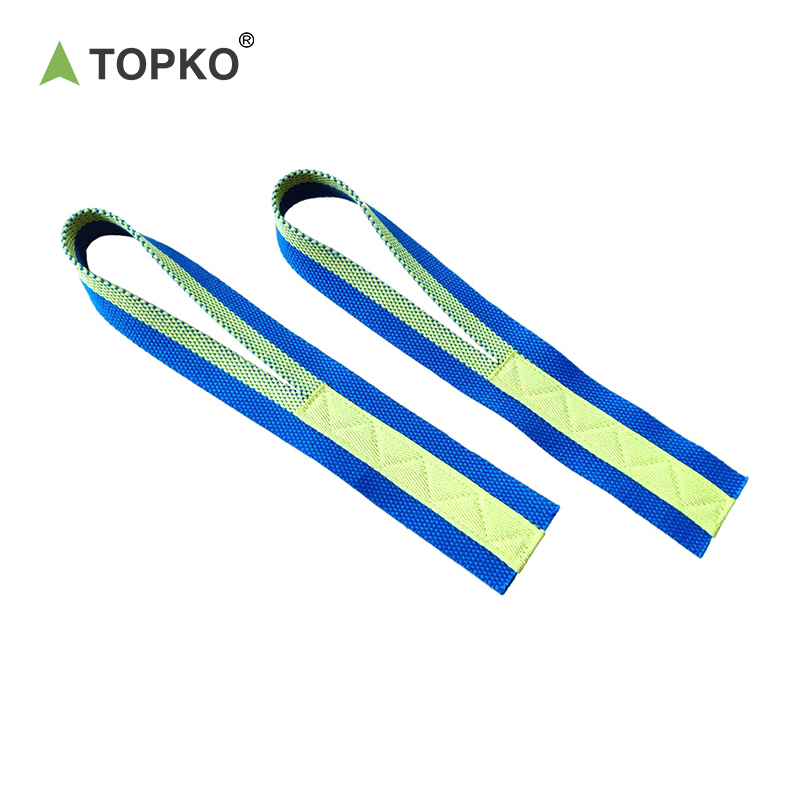
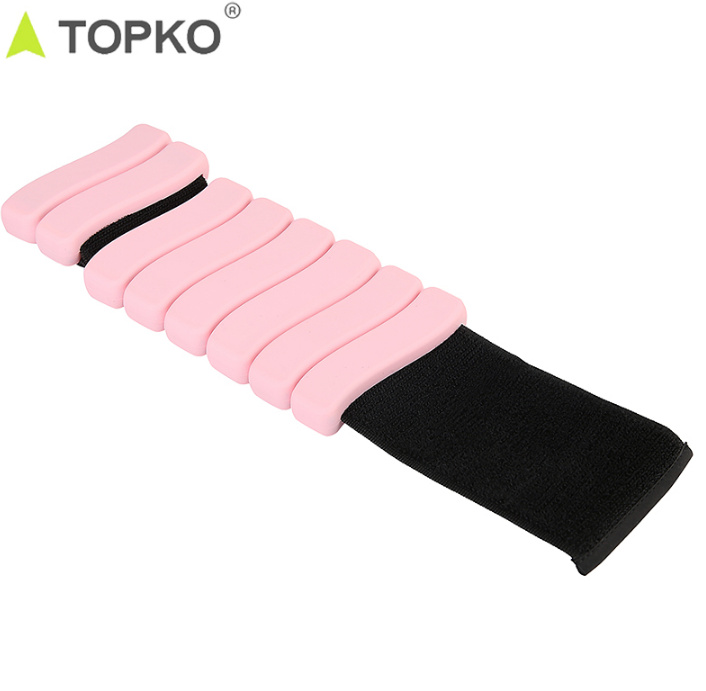
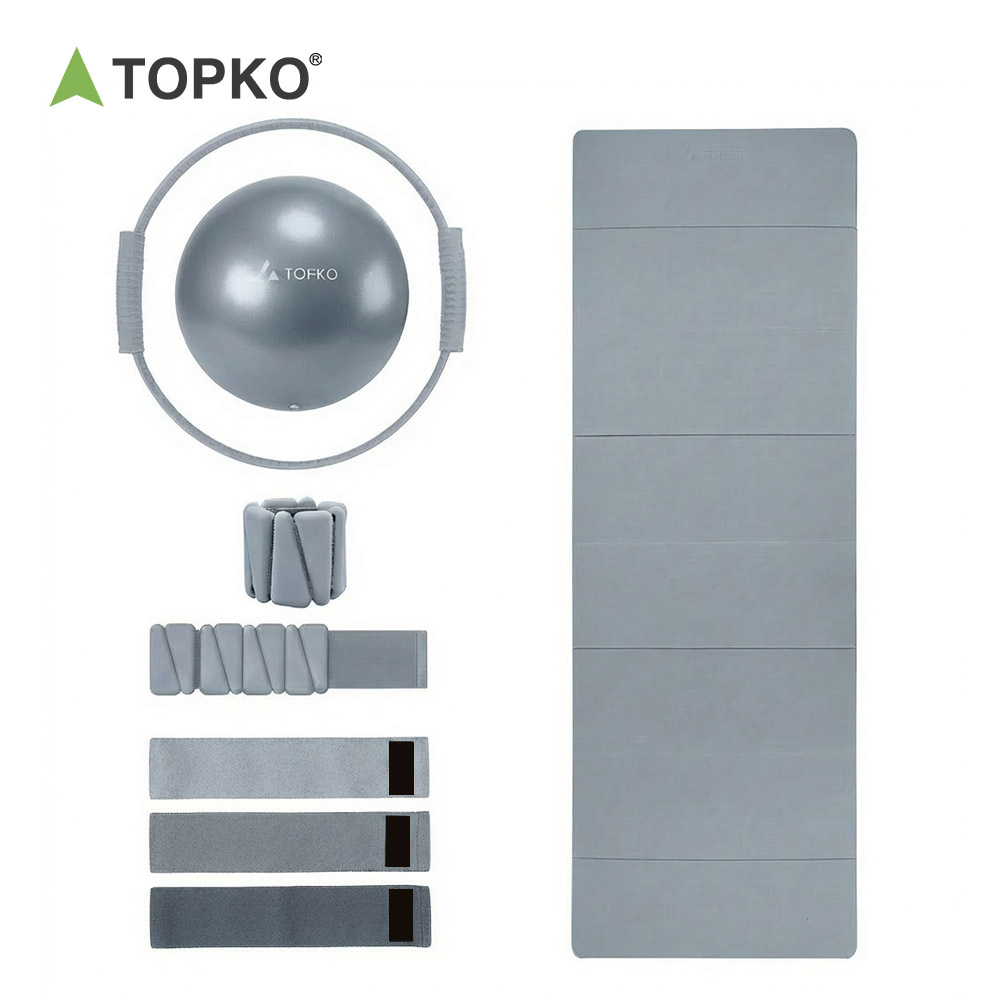
Given the high weight-to-volume ratio of bumper plates, shipping costs can easily exceed manufacturing costs during volatile ocean freight cycles. Sophisticated buyers no longer ship pure plate loads; they consolidate heavy plates with volumetric accessories (such as EVA foam rollers, yoga mats, resistance bands, and boxing trainers) to maximize container weight (21,500kg payload limit) and volumetric cube utilization simultaneously.
Backed by 14 years of specialized export manufacturing, verified on-site by SGS Group, and ranked #2 on the industrial supply leaderboards.
Unlike trading companies that broker through third-party workshops, our production ecosystem encompasses 13 dedicated processing and machine stations. From raw natural rubber compounding, high-pressure curing molds, automatic punch stamping, to industrial silicone and elastomeric processing, every stage is monitored under ISO-9001 and verified SGS inspection procedures.
Our factory offers four proven customization frameworks: Minor Customization (laser logo engraving, custom color pantones, retail packaging), Sample-Based Customization, Design-Based Customization, and Full Turnkey Customization. Having engineered OEM programs for world-renowned fitness retailers and international competition sponsors, we mitigate supply chain risk at scale.
Answers to common technical, financial, and logistical questions asked by corporate purchasing directors and gym outfitting distributors.