Adjustable System
 SGS On-site Assessed Custom Manufacturer
Alongside non-motorized curved treadmills, explore our SGS-assessed integrated line of commercial-grade fitness components, dynamic functional strength units, and rehabilitation accessories built for high-throughput fitness centers and retail brands.
Commercial gym operators, athletic training centers, military conditioning institutions, and international fitness equipment distributors are rapidly shifting away from conventional motorized treadmills toward non-motorized curved gym treadmills. This engineering transition is rooted in verifiable physiological mechanics: the human body acts as the primary motor, requiring the user to expend up to 30% to 32% more metabolic energy, recruit greater posterior chain musculature (hamstrings, gluteals, and gastrocnemius), and promote natural midfoot-to-forefoot landing strikes that reduce tibial shock load.
From an enterprise asset management perspective, curved manual treadmills eliminate the core failure points that burden commercial fitness facilities: electric motors, front/rear driving rollers, motor control boards (MCBs), and high-draw transformer circuits. By removing active electrical propulsion, gym chains realize an estimated 100% reduction in direct running electricity costs, while freeing floor layouts from spatial power outlets. However, manufacturing high-performance curved treadmills requires tight engineering tolerances, high-precision radial ball bearing assemblies, dynamic slat balance, and multi-stage eddy-current resistance calibration.
As an SGS-assessed supplier with 14 years of manufacturing heritage, 6 utility patents, and verified annual export volumes exceeding $19.9 million, our production protocols are structured to deliver industrial-grade curved treadmill platforms designed for 24/7 continuous commercial cycling.
Objective metrics compiled from commercial fitness testing laboratories and long-term facility operational data.
| Evaluation Parameter | Commercial Curved Treadmill (Our Factory) | Standard Motorized Commercial Treadmill | Operational Sourcing Impact |
|---|---|---|---|
| Propulsion & Power Source | 100% Human-Powered; Zero kWh consumption | 2.5HP – 5.0HP AC Electric Drive Motor | Zero electricity bills; flexible floor placement without wiring constraints. |
| Posterior Chain Recruitment | High activation: Hamstrings, calves, and glutes pull the track | Passive activation: Moving deck slides beneath the feet | Significant performance edge for sprint mechanics and athletic conditioning. |
| Caloric Expenditure Index | +30% to +32% higher caloric burn per running kilometer | Standard baseline benchmark | High user retention for HIIT, CrossFit boxes, and boutique fitness studios. |
| Core Failure Vulnerabilities | None (No drive belts, brushes, motor controllers, or capacitors) | Thermal burnout of inverter, motor brushes, PCB circuit boards | Extremely low post-sale warranty claims and downtime risk. |
| Deck Surface Mechanics | Individual composite rubber/aluminum vulcanized slats on bearings | Continuous multi-ply PVC/PU belt over phenolic resin deck | No deck wax maintenance or belt center-tracking drift issues. |
| Maximum Speed Boundary | Unlimited (Instantly responds to athlete sprint cadence) | Artificially limited by motor gearing (Typically 20–25 km/h) | Essential for elite athletic sprint conditioning and overspeed drills. |
| Expected Service Interval | 150,000 km to 200,000 km before primary bearing maintenance | Every 8,000 – 15,000 km belt/deck replacement needed | Substantial 5-year Total Cost of Ownership (TCO) reduction. |
Strategic fitness brand owners and high-volume fitness equipment distributors must navigate evolving buyer behaviors. Over the next five-year procurement horizon, our engineering R&D team tracks four defining technological and commercial trajectories:
1. Multistage Magnetic Eddy-Current Braking Arrays: Early curved treadmill iterations relied solely on user positioning along the curve to regulate speed. The market standard is moving toward integrated permanent neodymium magnet arrays adjusted via lever controls. This allows the curved treadmill to shift from a high-cadence sprint platform to a heavy resisted sled-push simulator, consolidating two heavy gym floor stations into a single footprint.
2. Wireless Telemetry & Open FTMS Bluetooth/ANT+ Protocols: Commercial buyers demand seamless connectivity with group fitness displays and personal wearables. Contemporary procurement specs require embedded micro-generators powering LCD/TFT consoles that beam real-time cadence, split times, wattage output, and heart rate telemetry over open FTMS (Fitness Machine Service) protocol, directly interfacing with platforms such as Zwift, Kinomap, and custom gym management systems.
3. Advanced Lightweight Composite Materials: Slats are transitioning from heavy steel-reinforced polyurethane to high-strength aerospace aluminum alloys jacketed in sound-dampening molded thermoplastic elastomers (TPE). This cuts inertial weight while preserving rigid structural cohesion, enabling faster acceleration with lower initial friction.
4. Flat-Packed Modular Packaging for Freight Optimization: With maritime container shipping rates experiencing volatility, factories that design low-profile modular curved treadmill frames—reducing shipping cube volume (CBM) by 35% without degrading structural integrity—provide global importers with a direct margin advantage.
Avoid catastrophic recall scenarios by applying rigorous supply chain qualification criteria before placing volume purchase orders.
The core of a non-motorized treadmill is its bearing assembly. Substandard factories use unsealed agricultural-grade carbon bearings that degrade under dust within months. Demanding high-speed, ABEC-5 or ABEC-7 sealed deep-groove chromium steel bearings (such as 608-2RS or 6200 series) ensures silent rotation and long life.
Running on curved slats generates multi-directional torsional force vectors. Heavy-gauge Q235 structural steel frames (minimum 3.0mm wall thickness) with robotic CO2 shielding welds prevent frame twisting. Quality factories perform dynamic 200kg fatigue endurance tests exceeding 500,000 cycles.
Verify whether slat belts are extruded from flame-retardant virgin polyurethane with internal vulcanized cord layers, or cheap recycled plastics that warp under fluctuating shipping container temperatures. Slat connection pins must be hardened stainless steel to prevent shearing under peak sprint impact.
Operating out of our advanced production facility in China, our team delivers industrial-grade manufacturing built on 14 years of specialized cardio and functional strength fabrication. We provide our global partners with strategic operational advantages:
Our complete manufacturing flow—from raw steel tube laser cutting to finished assembly dynamic noise testing—is regularly audited on-site by SGS Group, verifying export readiness and ethical operations.
Recognized as a verified leader across East China sporting goods manufacturing, maintaining an annual trade export volume exceeding $19.9 million with low claims rates across North America, Europe, and Australasia.
Offering minor private labeling, sample-based customization, engineering drawing-based production, and full ODM design—customizing curve radius, resistance levels, console software, and packaging.
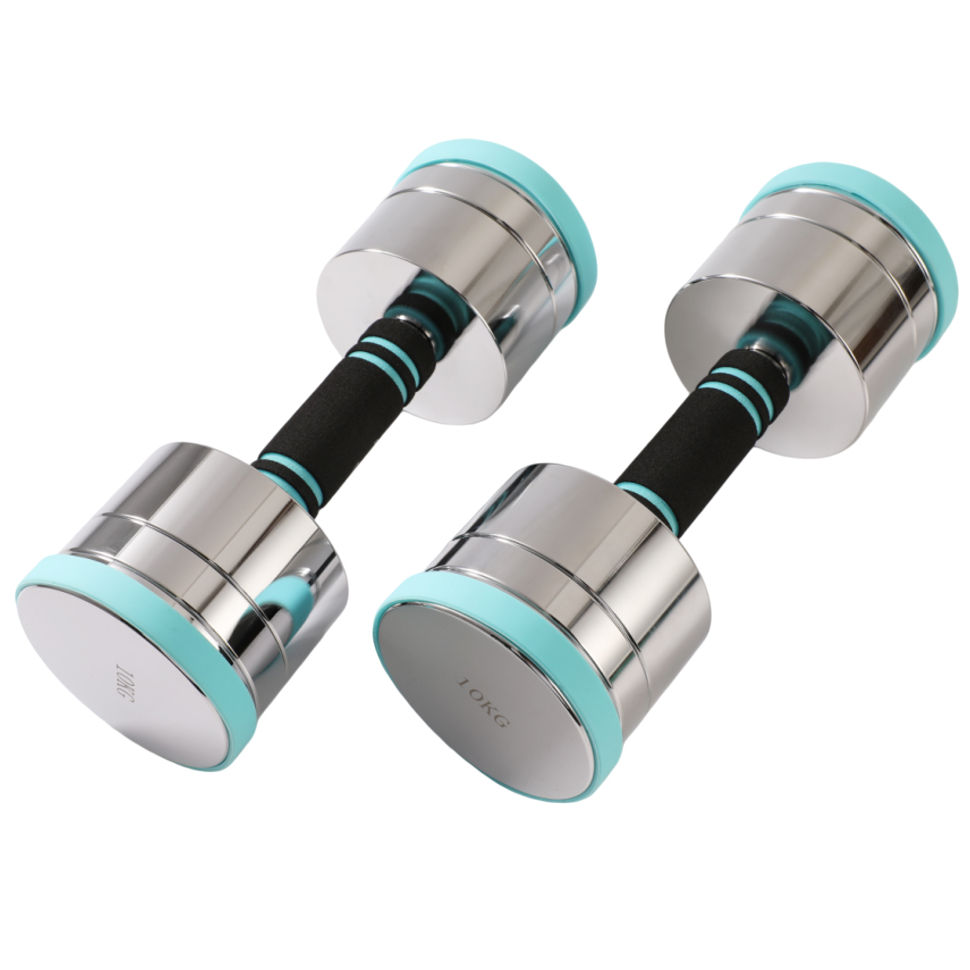
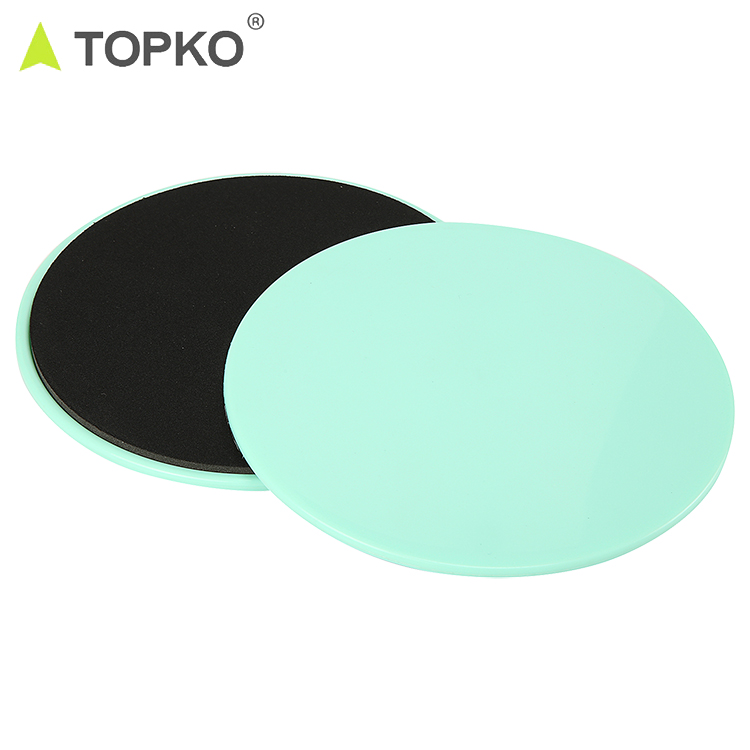
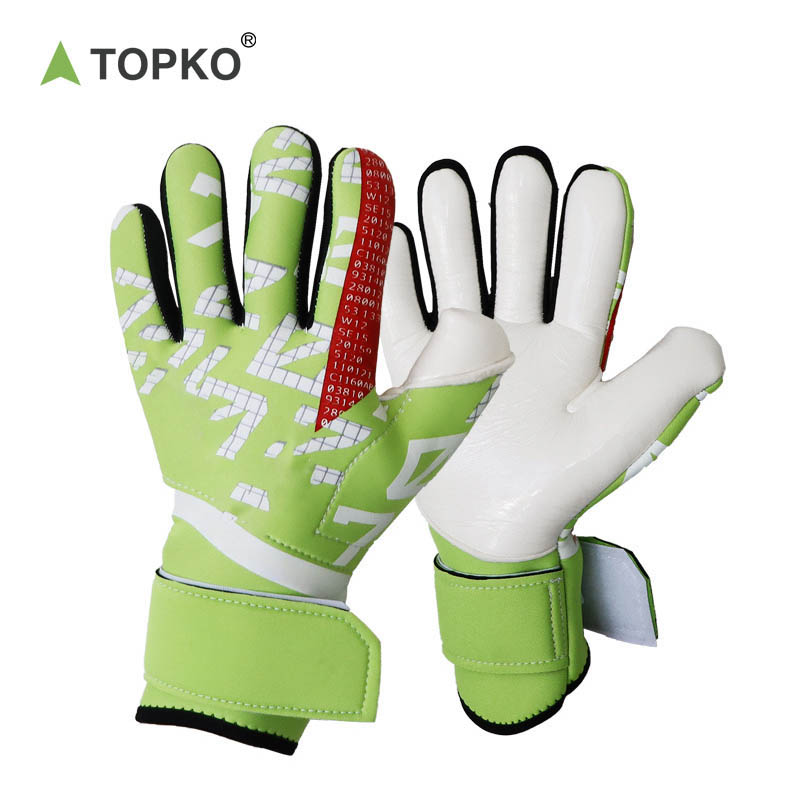
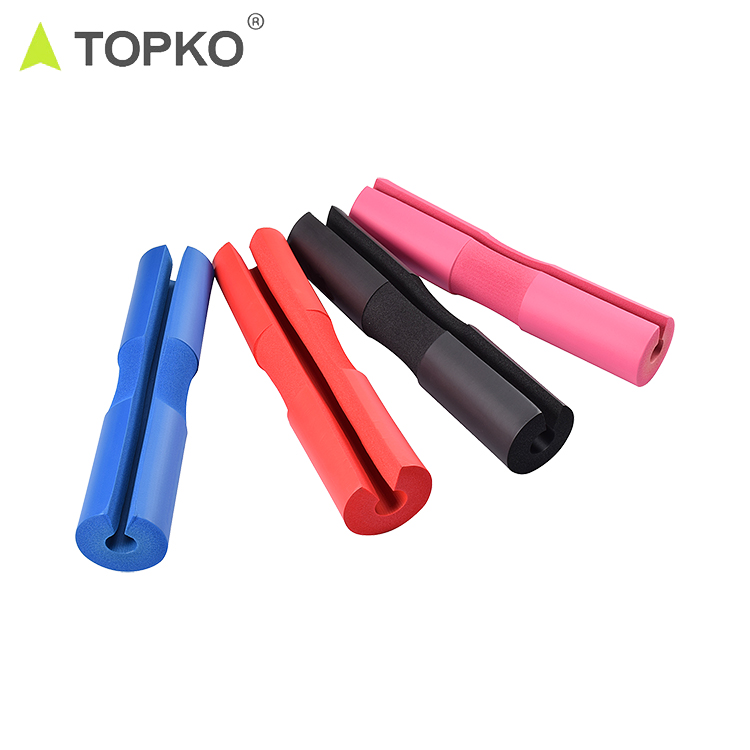
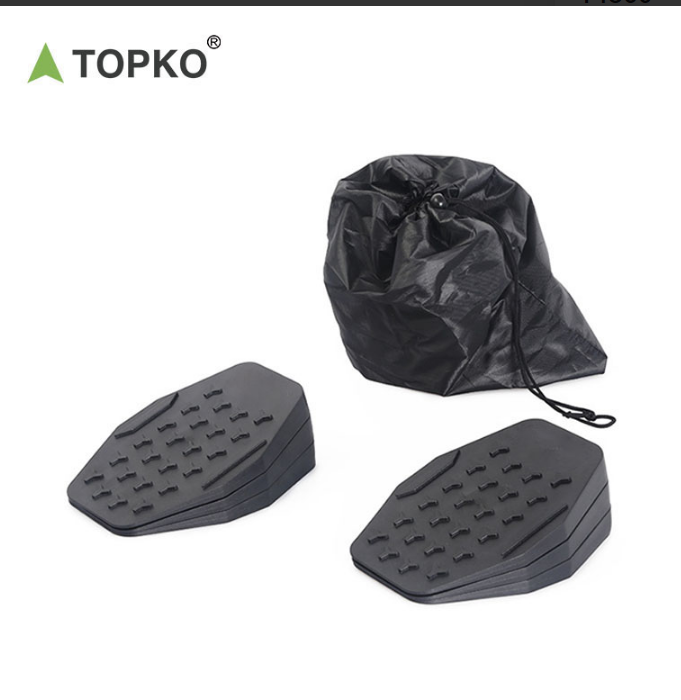
Optimize high-cube shipping container utilization by consolidating curved treadmills with our companion products: adjustable dumbbells, core sliders, squat mobility ramps, and barbell pads in a single export bill of lading.
Key technical, commercial, and warranty queries answered by our manufacturing engineering and export teams.