 SGS On-site Assessed Custom Manufacturer SGS On-site Assessed Custom Manufacturer
Direct procurement pipelines connecting China's precision manufacturing clusters with Berekua and Eastern Caribbean distribution networks. Built on certified testing, composite structural integrity, and institutional export compliance.
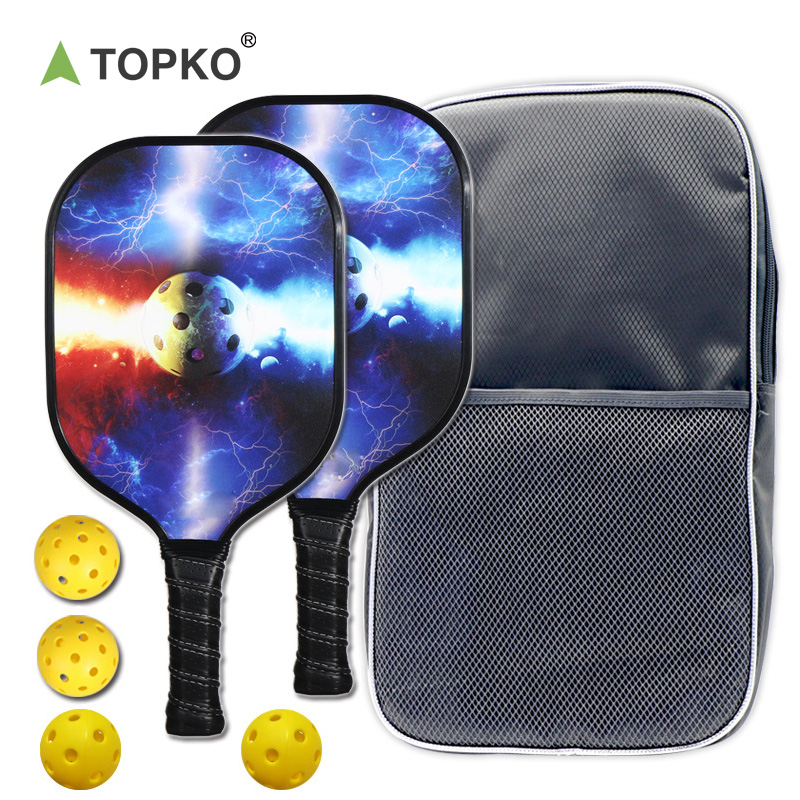
In the competitive landscape of sporting goods manufacturing, pickleball paddle production has evolved from basic wooden pressings and standard fiberglass sheets into an exacting discipline of aerospace-grade composite engineering. Professional paddle suppliers exporting to emerging Caribbean sports markets like Berekua must satisfy demanding performance standards. The core differentiator lies in the face material: standard carbon weave versus raw Toray T700 carbon fiber. Raw Toray T700 carbon fiber features an untreated, naturally textured weave that maximizes surface coefficient of friction. This texture grants players superior spin velocity and dwell-time precision upon ball impact, outperforming synthetic coatings that degrade under repetitive UV and mechanical abrasion.
Underneath the face laminate, core architecture dictates kinetic energy dissipation and control. Premium paddles integrate cold-pressed or thermoformed polypropylene (PP) honeycomb matrices, typically engineered at 13mm to 16mm core thicknesses. In unibody thermoformed constructions, carbon fiber seams wrap around the perimeter foam walls, uniting face and core under heat and pressure. This eliminates weak perimeter joints, expands the effective sweet spot by up to 28%, and reduces frame twisting on off-center hits. For wholesale importers catering to institutional tournaments, club leagues, and high-end resorts, specifying raw Toray T700 thermoformed paddles ensures low warranty return rates and compliance with USAPA deflection, grit, and dimensional thresholds.
Maximizes surface friction for consistent dwell time and spin rates without artificial grit paint breakdown.
High-density PP honeycomb core with sealed carbon perimeter walls eliminates dead spots and soft zones.
Reinforced edge guard and seamless perimeter integration eliminate structural delamination risks in coastal climates.
Dominica's southern commercial region, centered around Berekua (Grand Bay), presents a distinctive micro-economy for sports equipment procurement. The local sporting ecosystem is shifting as community recreation councils, secondary schools, and regional tourism properties expand beyond traditional cricket, football, and netball by adopting high-accessibility racket sports. Pickleball requires smaller court dimensions (20x44 feet), making it ideal for repurposing weathered asphalt basketball surfaces or multi-sport outdoor spaces in southern Dominica without heavy civil works investments.
However, deploying sports goods in the Berekua market brings rigorous environmental challenges. Dominica's coastal climate introduces high atmospheric salinity, elevated humidity (often exceeding 80%), intense UV exposure, and intermittent heavy tropical downpours. Conventional low-tier paddles utilizing wood cores, paper honeycombs, or cheap surface lacquers fail quickly: cores warp, faces peel, and handle grips degrade within weeks of outdoor exposure. Sourcing directly from verified Chinese industrial manufacturers allows local distributors, municipal sports coordinators, and resort developers to specify marine-grade polyurethane edge trims, closed-cell waterproof polypropylene internal honeycombs, and sweat-resistant non-slip PU leather handle wraps. This customized engineering guarantees multi-year performance across open-air coastal courts.
The Caribbean sports sector is undergoing a strategic shift driven by experiential travel trends and domestic active lifestyle initiatives. Regional boutique hotels, eco-lodges, and luxury resorts across the Commonwealth of Dominica increasingly feature private pickleball installations to attract North American and European travelers who prioritize their daily recreational routines. This commercial hospitality expansion creates ongoing wholesale demand for complete equipment packages: paddles, tournament-grade balls, weather-resistant mobile netting arrays, and cross-training gear.
Turnkey recreational setups designed for resort guests, using salt-spray-resistant paddles that endure intense open-air sea breezes.
Durable, high-impact composite gear procured by community recreation boards to upgrade regional athletic facilities affordably.
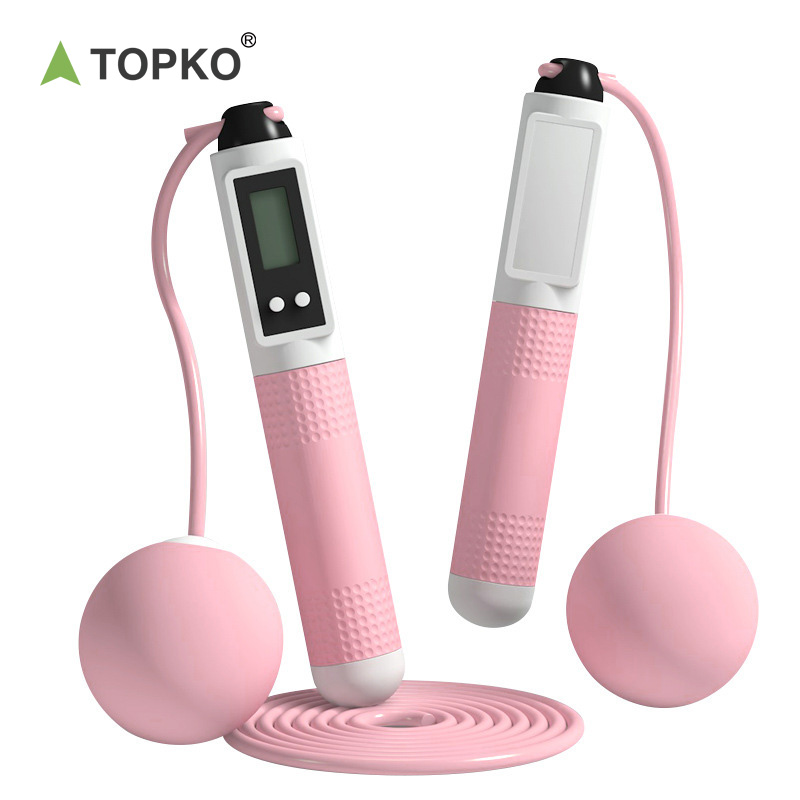
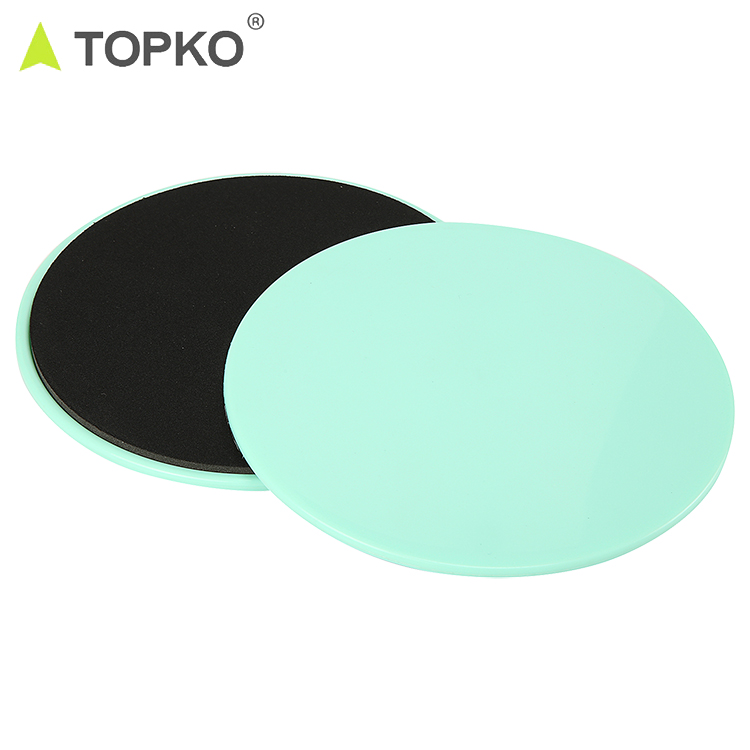
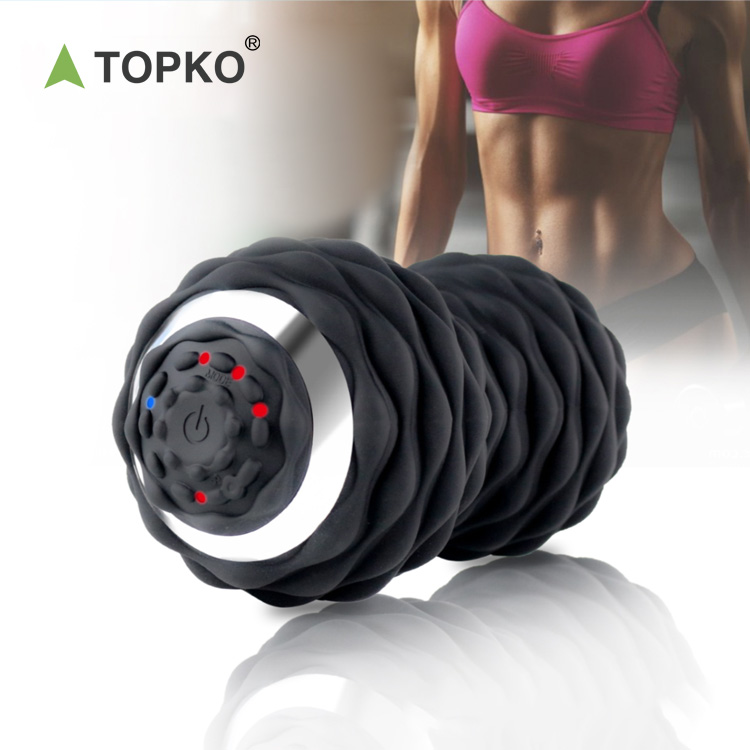
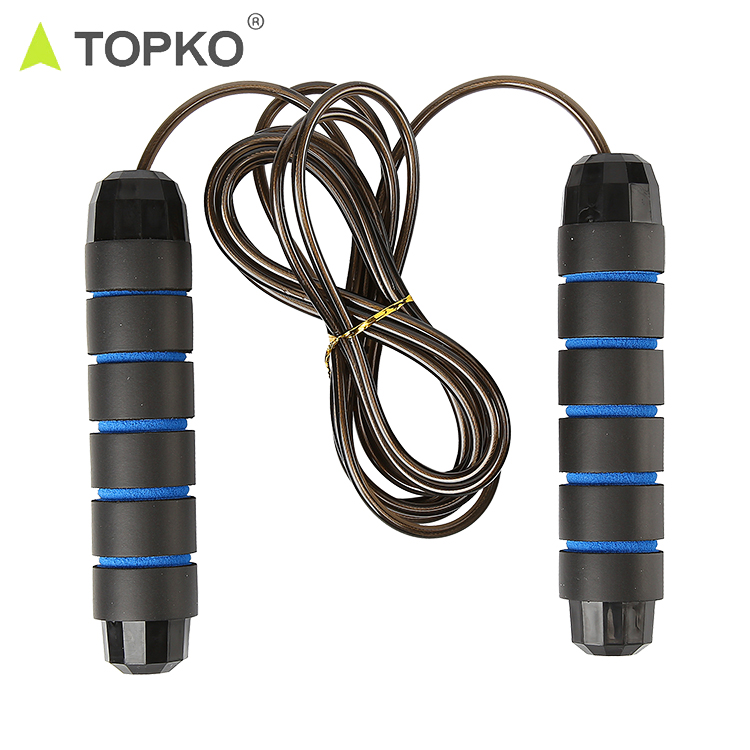
Consolidated procurement strategies blending paddles with active recovery equipment like peanut massage rollers, core sliders, and jump ropes.
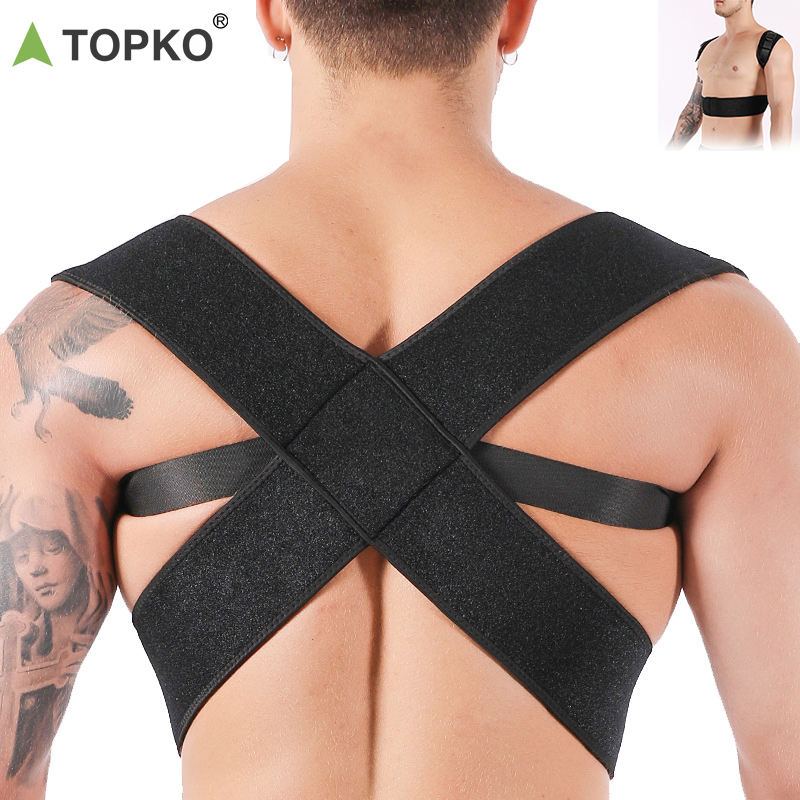
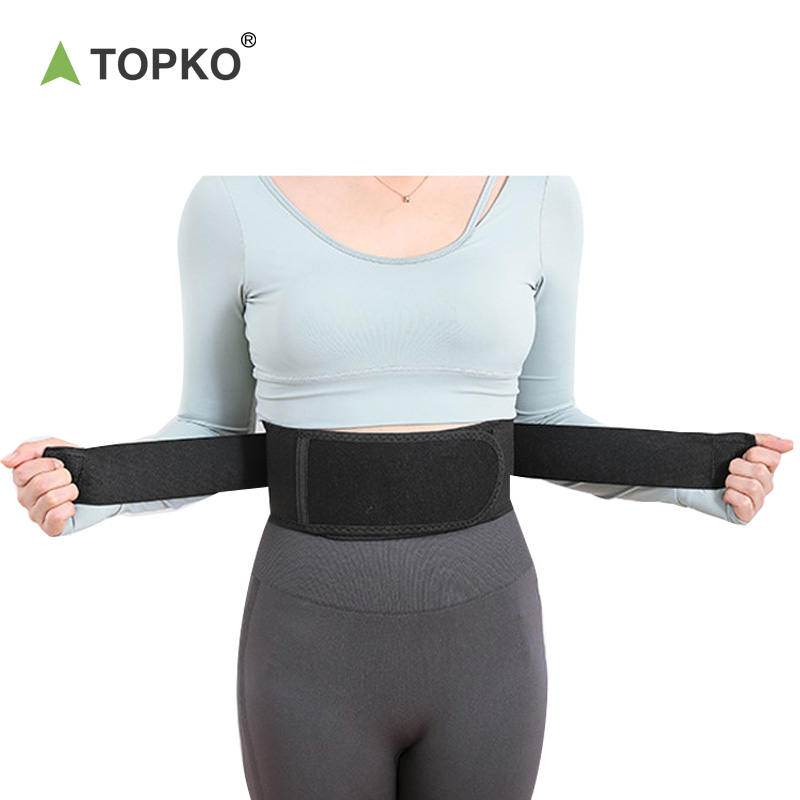
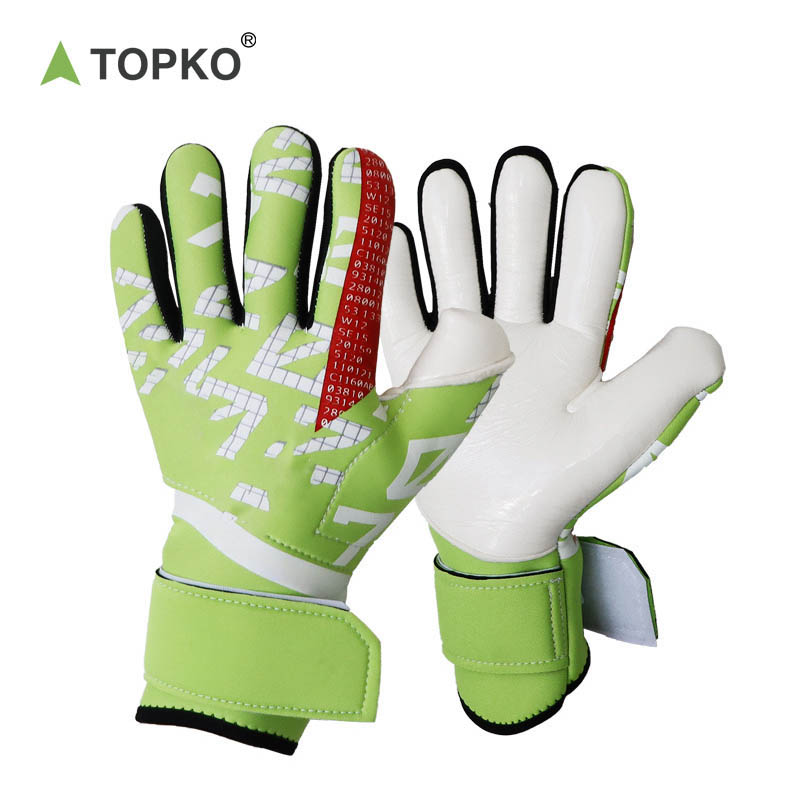
Establishing an efficient direct-import pipeline from mainland manufacturing hubs (such as Zhejiang, Jiangsu, and Guangdong) to Dominica requires structured logistics planning. Experienced B2B buyers avoid single-item shipments, instead opting for mixed-category consolidated containers. Consolidating primary items (carbon and fiberglass paddles) with ancillary equipment (athletic jump ropes, rehabilitation waist belts, core sliders, and goalie gloves) optimizes container cubic space and lowers landing costs per unit.
Ocean freight transit runs from Ningbo or Shenzhen ports to regional Caribbean transshipment hubs (such as Kingston, Jamaica or Port of Spain, Trinidad) before reaching customs clearance at Roseau or Portsmouth. Standard ocean transit times span 35 to 45 days. Buyers must ensure suppliers provide export-compliant documentation, including authenticated Bills of Lading, detailed commercial packing lists, CARICOM-compliant certificates of origin, and laboratory material safety reports. Partnering with an SGS-assessed Verified PRO factory eliminates missing paperwork, customs delays, and container demurrage penalties.
Sourcing from an established manufacturer with 14 years of OEM/ODM operations safeguards brand reputation and supply stability. The production facility utilizes 13 dedicated machine stations—including hydraulic thermoforming presses, automated CNC cutting lines, industrial sewing workstations, and custom silicone molding systems. Every paddle run undergoes comprehensive testing: deflection bed analysis to ensure balanced bounce characteristics, coefficient of friction testing to measure surface spin control, and handle fatigue cycles that mimic thousands of intense impacts.
Unlike trading intermediaries, our on-site factory structure supports multiple OEM customization models. Importers can select from cosmetic branding (UV screen printing, custom grip bands, embossed logos), sample-based customization (matching an existing model's swing-weight and balance point), or full CAD/mold prototyping for patented unibody shapes. Backed by SGS on-site factory verification, overseas sports wholesalers, e-commerce brands, and regional distributors receive consistent bulk shipments verified against pre-production samples.
For stock fiberglass or carbon fiber paddles without branding, orders can start from 10 to 50 units for evaluation. Full private label programs—featuring custom surface artwork, customized edge tape, molded silicone end caps, and custom carry cases—typically start at 100 to 300 units depending on the paddle core structure.
Fiberglass paddles feature higher surface flex, delivering extra pop that benefits beginners and recreational resort guests. However, raw Toray T700 carbon fiber offers superior torsional stability, improved tensile resilience, and higher resistance to micro-cracking caused by UV rays and salt-laden humidity. For competitive tournaments and premium retail in Berekua, carbon paddles deliver greater longevity and control.
Yes. Many Caribbean clients consolidate orders to optimize freight costs. We regularly pack mixed containers that combine carbon paddles with jump ropes, lumbar support belts, vibration recovery units, core workout sliders, and football training accessories, palletizing all items securely to simplify customs processing in Roseau.
Our manufacturing protocols align with international sporting standards, including USAPA geometric, deflection, and grit specifications. Our facility operations and final-stage inspection protocols are verified on-site by SGS Group. Certified laboratory test reports covering material toxicity, VOCs, and heavy metals are provided upon request.
Sample fabrication and digital artwork proofs are completed within 5 to 7 business days. Bulk OEM manufacturing requires 20 to 30 days depending on order volume and custom tooling requirements. Ocean transit to Dominica typically ranges from 35 to 45 days, while urgent sample batches can be delivered via express air courier in 5 to 8 days.