Conditioning
 SGS On-site Assessed Custom Manufacturer
Precision-engineered strength equipment, heavy lifting support gear, and accessory conditioning units ready for direct container export and localized Detroit pallet fulfillment.
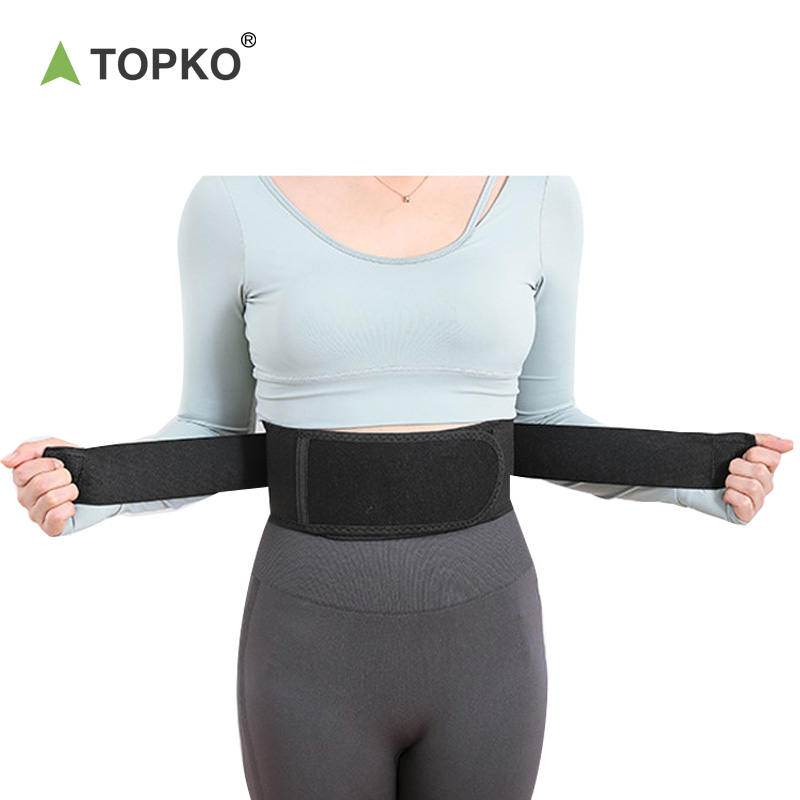
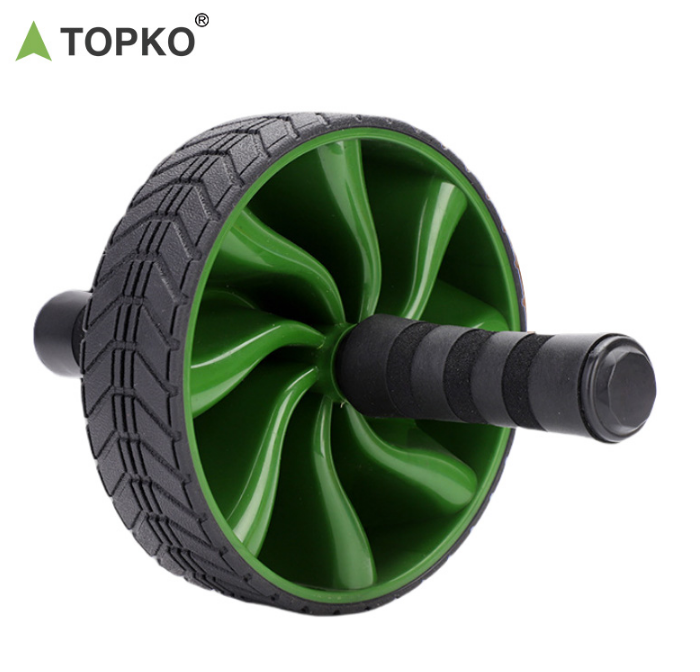
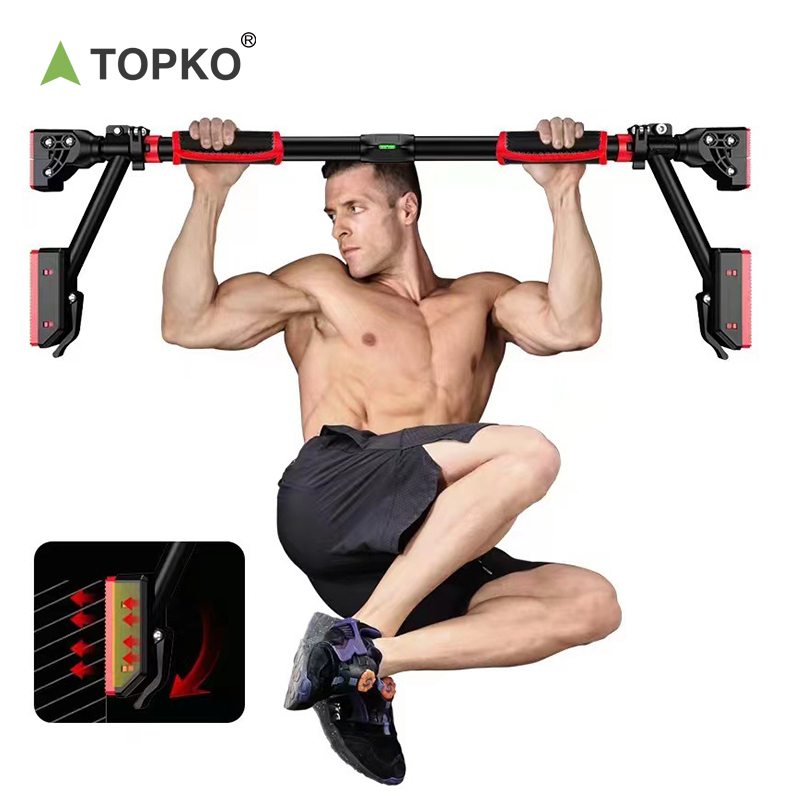
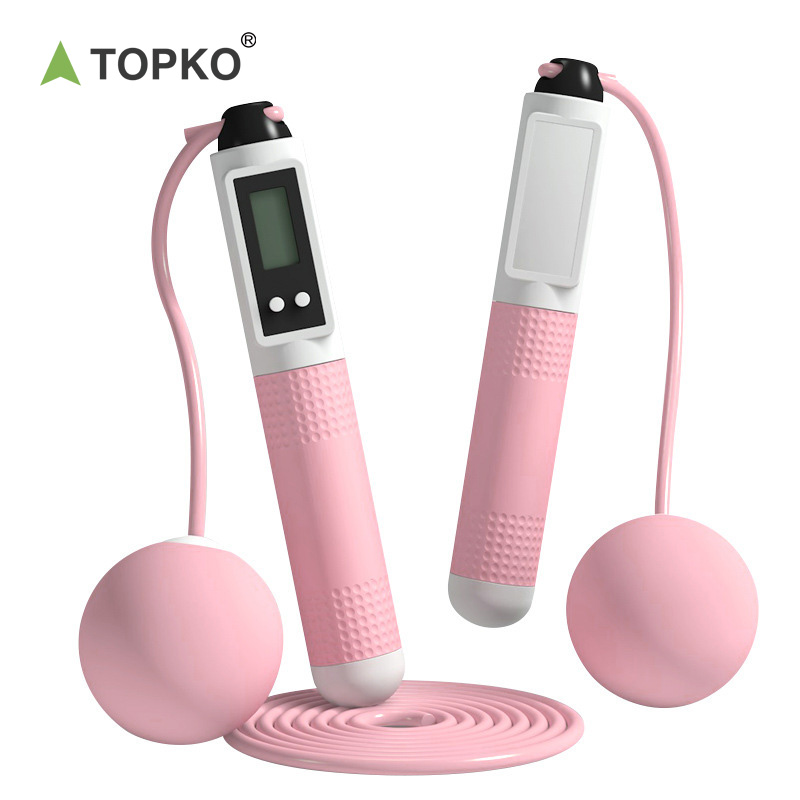
Biomechanical load distribution, material engineering, cold-weather resilience, and competitive supply chain architecture for Southeast Michigan.
Detroit, Michigan—internationally recognized as the cradle of American industrial precision and automotive manufacturing—has experienced a structural resurgence in its commercial fitness landscape. Over the past decade, the Greater Detroit metropolitan area (encompassing Wayne, Oakland, and Macomb counties, extending toward Ann Arbor and Windsor logistics corridors) has emerged as a high-density epicentre for non-commercial powerlifting gyms, competitive barbell clubs, Olympic lifting facilities, and functional fitness boxes. Concurrently, Detroit’s deep-rooted automotive fabrication, warehousing, and logistics footprint mandates stringent lumbar protection and occupational ergonomics gear for manual lifting environments. For procurement directors, sporting goods distributors, brand incubators, and gym outfitting contractors in Southeast Michigan, navigating the manufacturing nuances of powerlifting belts and lumbar support equipment requires strict adherence to biomechanical parameters, regulatory compliance, and material sciences.
A powerlifting belt is not merely a lumbar wrap; it is a rigid pneumatic constraint mechanism designed to amplify intra-abdominal pressure (IAP). By providing an unyielding anterior and lateral abdominal barrier, an engineered power belt allows the athlete’s transverse abdominis and diaphragm to contract against resistance, stabilizing the lumbar spine and mitigating compressive and shear spinal stresses during maximal axial loads exceeding 300 to 450 kilograms. In the Detroit commercial strength market, procurement specifications diverge into two specialized segments: competitive powerlifting leather belts conforming to international federation standards (such as USAPL, USPA, and IPF specifications), and high-durability, cold-resistant ergonomic belts engineered for hybrid functional fitness facilities and repetitive assembly line handling.
B2B Procurement Insight for the Detroit Market: Sourcing strength equipment for Michigan’s climate requires evaluating adhesive and leather grain behavior under severe freeze-thaw cycles. Belts stored in unheated warehouse spaces or garage-gym training hubs throughout Midwest winters must maintain leather suppleness without surface micro-cracking, while mechanical lever buckles must resist brine-induced corrosion common in Great Lakes transport channels.
As an SGS-assessed Verified PRO manufacturer with over 14 years of dedicated OEM/ODM export history and annual global shipments surpassing US$19.9 million, our manufacturing infrastructure bridges the gap between precision biomechanics and cost-effective bulk importation. From cold-resistant medical lumbar waist supports to 10mm/13mm competition-grade genuine leather lever belts, our export facilities deliver end-to-end quality assurance, proprietary patent-backed hardware, and seamless ocean/intermodal logistics into the Port of Detroit and the broader Midwest rail junction.
Comprehensive metallurgical, material, and functional specifications to assist Detroit buyers in catalog planning and wholesale contract evaluation.
| Belt Architecture | Core Material & Density | Tensile / Shear Yield | Closure Mechanism | Primary Detroit Market Use-Case | Regulatory Alignment |
|---|---|---|---|---|---|
| 13mm Competition Lever Belt | Four-layer top-grain bovine hide + bonded suede inner | > 1,450 kg/cm² tensile strength | Zinc-alloy / Stainless CNC quick-release lever | Competitive Powerlifting Gyms (Detroit, Royal Oak, Troy) | IPF / USAPL Technical Spec Compliant |
| 10mm Single/Double Prong Belt | Vegetable-tanned full-grain leather core | > 1,180 kg/cm² tensile strength | Case-hardened seamless steel roller buckle | CrossFit Boxes, Collegiate Gyms (Wayne State, U-M Hubs) | General Powerlifting Federation Standard |
| Quick-Lock Contour Nylon Belt | High-density ripstop nylon with rigid EVA core | > 780 kg/cm² tensile strength | Knurled steel slide-lock roller with hook-and-loop | Functional Fitness, Olympic Lifting, High-Rep Metcons | USAW / IWF Contour Regulation Compliant |
| Thermal Ergonomic Lumbar Support | Neoprene blend, self-heating tourmaline & steel stays | Dynamic flex-compression load | Dual-layer elastic tension straps + medical velcro | Automotive Assembly, Warehouse Operations, Rehab Clinics | ISO 9001 / Medical Lumbar Class I Spec |
Targeted distribution pathways across Detroit’s athletic, industrial, and retail commercial sectors.
Across rehabilitated warehouse corridors in Detroit’s Eastern Market, Corktown, and Milwaukee Junction, strength facilities demand heavy-duty 10mm and 13mm lever belts that can withstand heavy chalk exposure, sweat acidity, and high-frequency member usage without layer delamination.
Southeast Michigan’s extensive manufacturing facilities require cold-resistant, self-heating lumbar support braces. Workers loading assembly pallets in dynamic temperature conditions benefit from reinforced steel-stay waist belts that maintain core temperature and reduce work-related disc strains.
From university athletic training centers in Detroit and Ypsilanti to high-end suburban personal training studios in Birmingham and Bloomfield Hills, equipment buyers seek customized, laser-etched private label belts pairing high aesthetics with certified tensile durability.
Local sporting goods brand owners distributing through Amazon Fulfillment Centers in Romulus and Pontiac require turn-key retail packaging, FNSKU barcoding, and consolidated sea/air freight solutions that comply directly with Amazon strict drop-test and box-marking protocols.
Logistics architecture, material resiliency against Midwest climatic shifts, and tariff management for Michigan importers.
Procuring heavy leather goods and metallic lever components from overseas requires an acute understanding of Midwest freight corridors. Shipments destined for Detroit typically enter through US West Coast ports (Los Angeles/Long Beach or Tacoma) via intermodal rail directly to Detroit rail yards (Livernois / Junction Yard), or enter via all-water routes to East Coast ports (Newark, Norfolk) with short-haul truckload staging. Importers leveraging the Great Lakes St. Lawrence Seaway system into the Port of Detroit during active navigational windows benefit from consolidated bulk rates for high-weight strength inventory, such as cast-iron competition kettlebells and heavy lifting belts.
From a product durability standpoint, Michigan’s seasonal temperature fluctuations—ranging from humid summer highs of 32°C (90°F) to sub-zero winter lows of -20°C (-4°F)—present unique challenges for leather goods and mechanical hardware. Standard low-tier synthetic bonded leathers become brittle and split under high intra-abdominal compression in sub-zero garage gyms. Our export-grade powerlifting belts utilize vegetable-tanned bovine split-leather infused with long-chain fatliquors that maintain elastic pliability down to -25°C. Furthermore, all metallic buckle hardware undergoes a 72-hour neutral salt-spray test (ASTM B117) to ensure galvanic corrosion resistance against winter road salts and sweat-induced oxidation.
Under US Harmonized Tariff Schedule (HTSUS) classifications, heavy lifting belts and associated fitness accessories must be correctly classified under heading HTSUS 9506.91.0030 (fitness equipment articles) or 4203.30.0000 (belts and bandoliers of leather). Ensuring precise entry documentation prevents unexpected customs examination holds at Detroit Customs Port 3801, keeping clearance transit times predictable for seasonal gym openings and fall athletic program restocks.
End-to-end control from raw hide selection and computerized CNC cutting to metallurgical lever testing and private-label packaging.
Operating as a Verified PRO Custom Manufacturer, our facilities maintain strict adherence to international industrial benchmarks. Verified through comprehensive on-site facility audits conducted by SGS Group, our factory encompasses complete in-house processing: computer-controlled die-punching, heavy-duty saddle stitching with high-tensile bonded nylon threads, precision silicone molding, vulcanized edge-beveling, and automated blister/gift box packaging. By maintaining full operational control across 13 distinct machine stations, we eliminate sub-tier subcontractor markups, streamline lead times, and enforce consistent tolerances across multi-container purchase orders.
We provide minor customization (laser branding, debossing, custom box design), sample-based prototyping, CAD/blueprint design-based customization, and turnkey ODM development for specialized biomechanical equipment.
Every batch undergoes destructive tensile pull-testing, buckle fatigue cycling (exceeding 10,000 continuous actuations), stitch integrity checks, and aesthetic defect evaluations before export crate sealing.
To support emerging Detroit fitness brands, Amazon FBA incubators, and boutique gym chains, we offer low starting MOQs from 50 pieces for custom-branded leather and lumbar goods, scaling up to 40-foot full container loads.
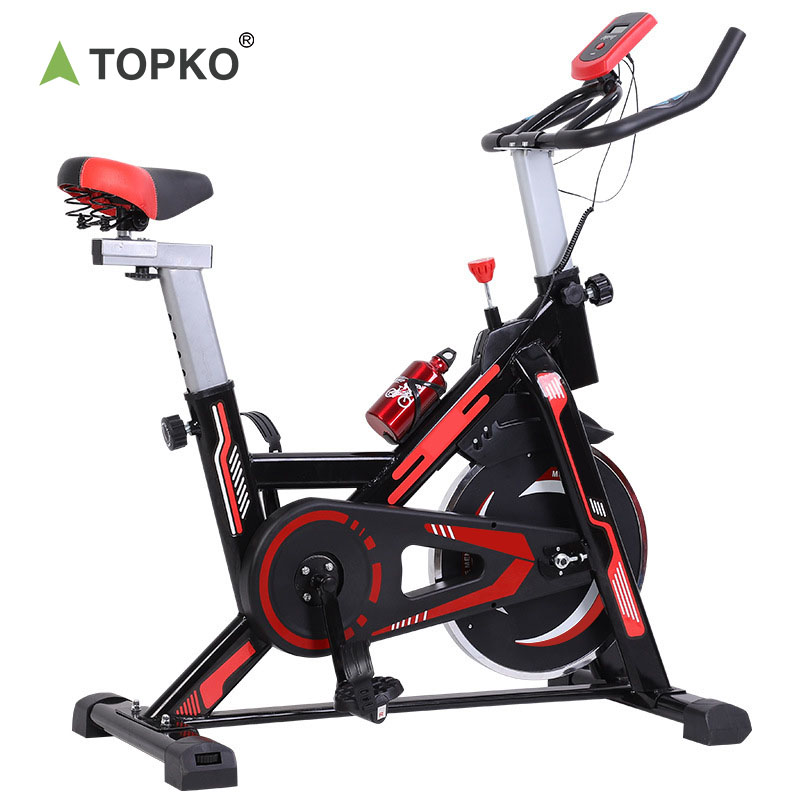
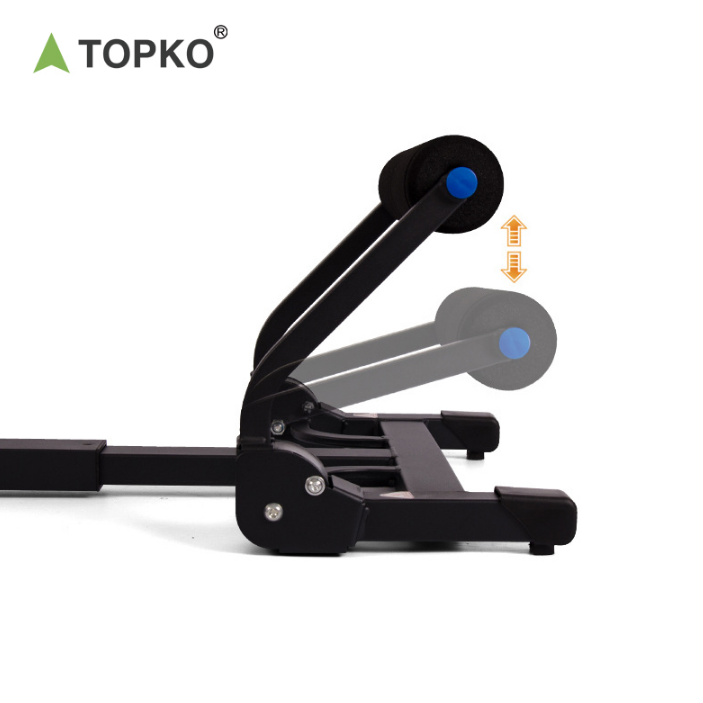
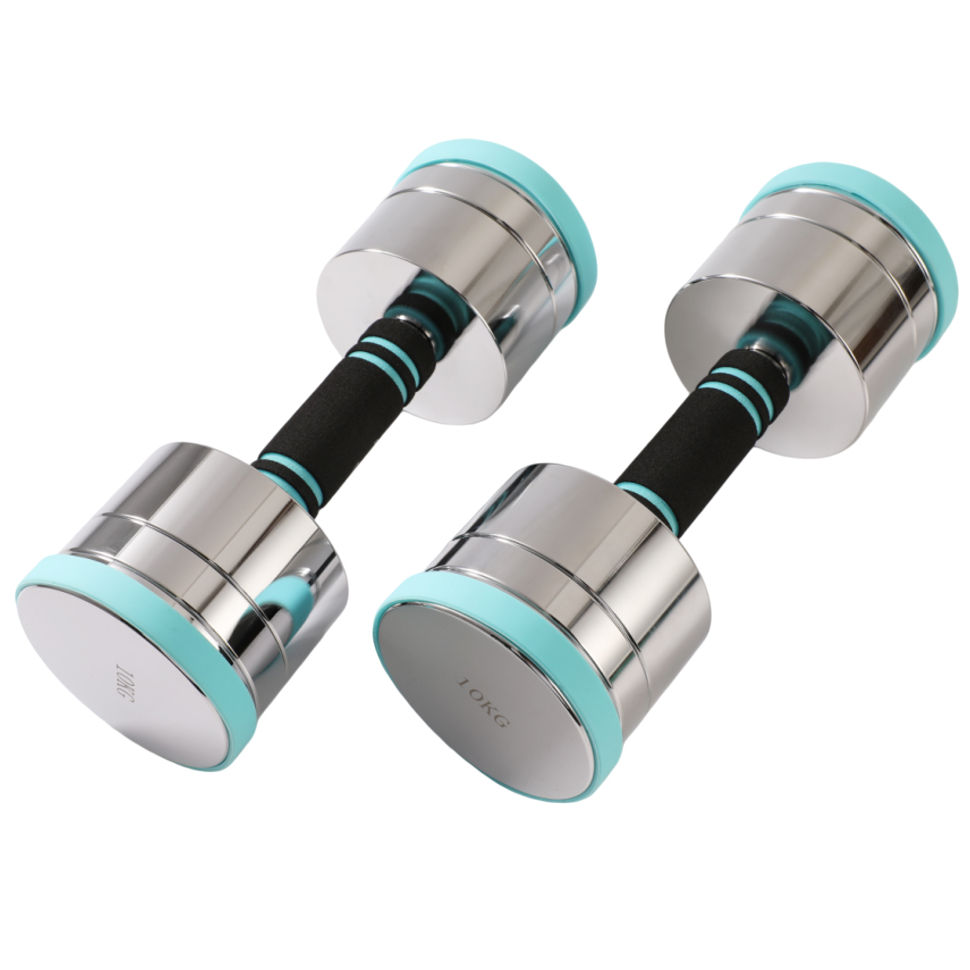
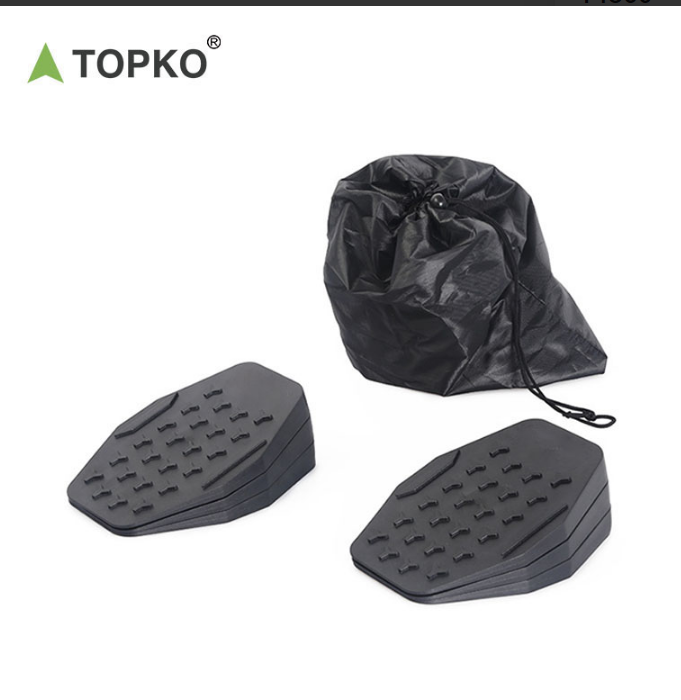
Beyond power belts, buyers can bundle cross-category items—including cast iron competition kettlebells, squat wedges, ab rollers, foam rollers, and magnetic studio bikes—into consolidated shipments to optimize ocean container cubing.
Direct answers addressing import regulations, technical compliance, logistical lead times, and private label execution.
Connect directly with our senior B2B export consultants for OEM volume price tiers, custom branding mockups, and sample arrangements delivered directly to your Detroit facility or warehouse.