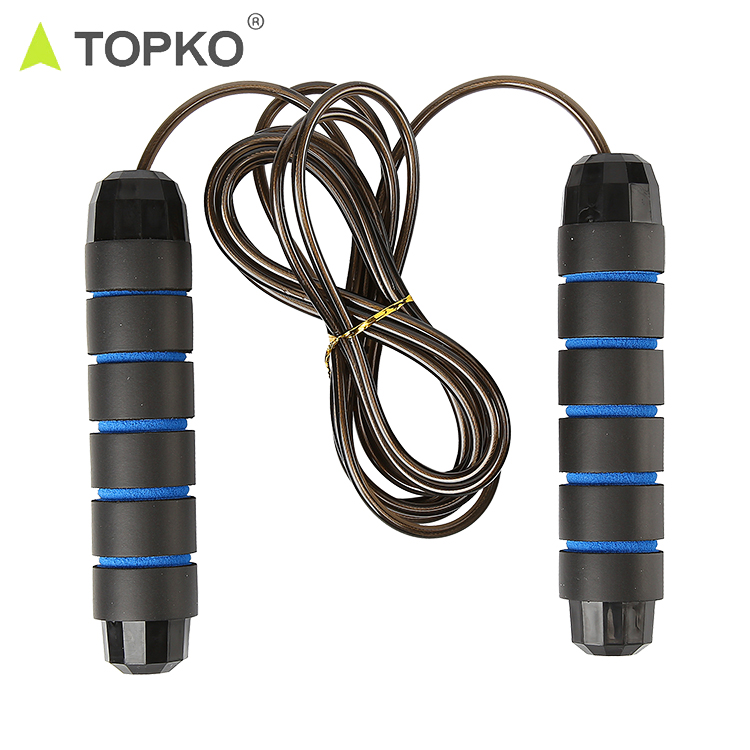
TOPKO Exercise Training Jump Rope Fitness With Foam Handles
- High-Speed Bearings
- Sweat-Absorbent Foam
 SGS On-site Assessed Custom Manufacturer
Manufactured with strict SGS-inspected tolerances, compliant with Australian consumer standards, and available for private labeling with rapid dispatch to Port Botany.
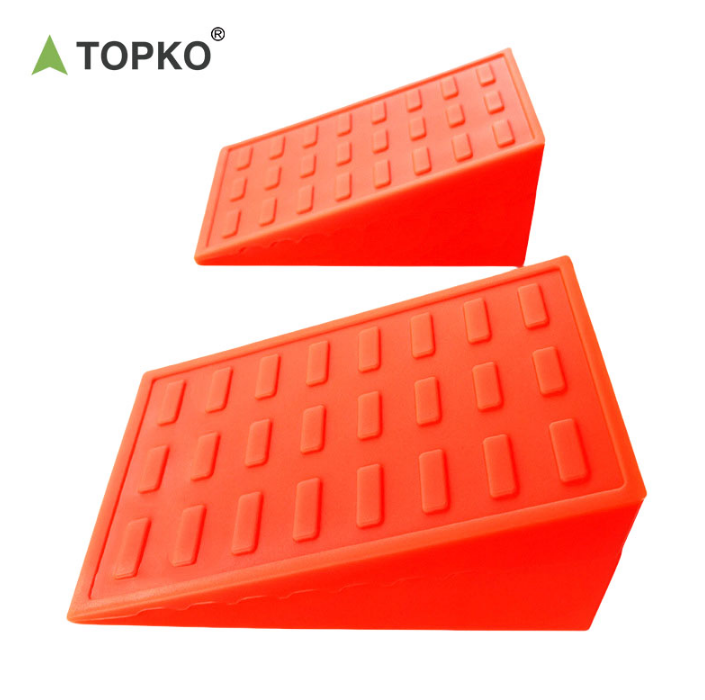
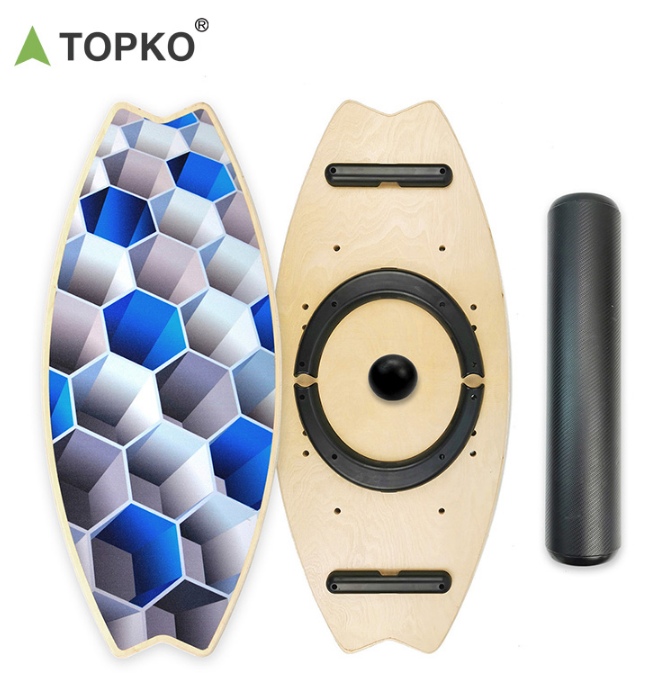
From coastal ambient humidity along the Eastern Suburbs to hot yoga demand in Surry Hills, rubber yoga mat procurement requires granular material science and logistical precision.
The commercial fitness and wellness sector across the Greater Sydney Metropolitan area represents one of the most mature, discerning, and environmentally conscious fitness markets in the Southern Hemisphere. Spanning high-end boutique reformer and mat studios across Paddington, Bondi, and Double Bay to corporate wellness hubs in Barangaroo and expansive community wellness centres throughout Parramatta, the criteria for mat selection has decisively shifted away from petroleum-based PVC and entry-level EVA substrates.
Sydney procurement officers, studio owners, and retail sporting distributors are governed by two distinct market realities: high environmental accountability and unique microclimatic stresses. The coastal salt air and elevated summer humidity characteristic of Sydney Harbour and coastal suburbs accelerate polymer degradation in inferior foam composites. Rubber yoga mats—specifically natural tree rubber (Hevea brasiliensis) vulcanised without toxic crosslinking agents, frequently integrated with open-cell polyurethane (PU) top skins—have emerged as the gold standard for grip coefficient, ground stability, and consumer lifecycle expectations.
Facilities across Surry Hills, Newtown, and Manly operate heated studios (34°C–38°C). Open-cell PU bonded to natural tree rubber maintains an exceptional wet friction coefficient (µ > 0.85) without requiring microfiber towels.
With dynamic Pilates dominating Paddington and North Sydney, high-density 1.5mm–2mm rubber travel mats act as non-slip, hygienic studio toppers precisely contoured to international reformer carriage dimensions.
From Bondi to Coogee coastal clifftops, outdoor sunrise sessions demand heavier density (2.8kg–3.2kg) so mats remain rooted against gusty Pacific winds without edge fluttering common to lightweight TPE.
Tier-1 financial institutions in Martin Place and Barangaroo furnish wellness facilities requiring low-odor, REACH/RoHS certified vulcanised rubber mats free of phthalates, chlorine, and toxic off-gassing.
| Substrate Combination | Dry Friction (µ) | Wet Grip Index | Tensile Resilience | Biodegradability | Sydney Market Verdict |
|---|---|---|---|---|---|
| PU + Vulcanised Tree Rubber | 0.78 (Optimal) | 0.92 (Extreme) | Exceeds 2.4 MPa | High (Natural Rubber core) | Premier choice for commercial studios & high-tier D2C brands. |
| Sustainable Cork + Rubber Base | 0.62 (Moderate) | 0.85 (Self-Activating) | 1.8 MPa (Reinforced) | 100% Recyclable Surface | Rapidly expanding in eco-luxe coastal boutiques (Manly, Byron border). |
| Dual-Layer Thermal TPE | 0.70 (Good) | 0.45 (Drops with sweat) | 1.2 MPa | Photodegradable | Cost-effective for high-volume retail chains (Kmart/Target tiers). |
| Standard PVC / Vinyl | 0.55 (Low) | 0.30 (Hazardous) | 1.5 MPa | Non-Biodegradable | Being phased out by NSW health regulations & studio liability rules. |
1. Decarbonization and Circular Sourcing Audits: Australian enterprise buyers are actively auditing supply chain scope-3 emissions. Corporate wellness buyers and independent franchise networks (such as BodyMindLife alumni networks and KX Pilates operators) require documented verification that the natural rubber is tapped from sustainable, non-Amazonian plantations with fair trade labor compliance.
2. Laser Alignment Systems and Custom Visual Hierarchy: Sydney yogis gravitate toward minimalist aesthetic palettes—muted eucalyptus green, terracotta clay, oceanic charcoal, and sand. Laser-etched alignment markings that assist proprioception without relying on solvent inks have achieved an 80% adoption rate among premium studio private labels.
3. Demand for Mixed-Consolidation Shipments: Rising warehousing lease rates across western Sydney industrial precincts (Smithfield, Eastern Creek, Erskine Park) have forced retailers to minimize excess dead-stock. Distributors increasingly leverage WLI Fitness’s multi-category capacity to consolidate rubber yoga mats, resistance loop bands, neoprene dumbbells, and timber surf balance boards inside unified 20GP or 40HQ containers, driving down unit landed freight charges.
Combining 14 years of specialized export capability, certified on-site production audits, and dedicated industrial customization for the Australasian marketplace.
Our manufacturing floor, vulcanisation chambers, cutting presses, and QA labs undergo rigorous on-site inspection by SGS Group, guaranteeing total structural fidelity and export compliance.
We lower the barrier for growing Australian brands: custom-branded sample runs start from 50 pieces, with full laser-engraving, embossed woven badging, and bespoke color pantone matching.
Holding 6 utility and appearance patents, our in-house engineering team continuously refines anti-tear scrim layers, odorless curing cycles, and high-traction honeycomb grip textures.
Streamlined export clearance directly from Shanghai port into Port Botany, Sydney. We support complete Delivered Duty Paid (DDP) logistics including customs clearance and biosecurity handling.
Addressing the practical, regulatory, and logistics inquiries our sales engineering desk resolves weekly for Australian commercial importers.
Natural rubber is vulcanised under strictly monitored thermal conditions, resulting in an exceptionally stable cross-linked polymer matrix. Unlike PVC which softens or EVA which slips, high-density rubber retains dimensional stability and traction from 10°C to 40°C. For coastal yoga environments, our mats incorporate anti-fungal stabilization within the rubber base to prevent microbial buildup from ocean mist and high sweat condensation.
Typical production cycles for customized OEM rubber mats range between 18 to 28 days depending on laser etching volume. Sea freight transit from Shanghai to Port Botany is approximately 11 to 14 days on direct liner services. In total, Sydney buyers can reliably anticipate delivery at their warehouse within 35 to 45 calendar days from artwork sign-off.
Yes. All fitness mats dispatched to Australia are certified free of phthalate plasticizers (DEHP, DBP, BBP), heavy metals, and chlorinated paraffins in accordance with REACH, RoHS, and California Prop 65 standards. Our natural rubber is harvested responsibly and cured without hazardous chemicals, ensuring total compliance with the Australian Competition and Consumer Commission (ACCC) safety parameters.
Absolutely. Over 65% of our Australian clients purchase multi-category consolidations. Because we operate dedicated manufacturing and assembly lines across yoga accessories, silicone slant boards, resistance loop bands, dumbbells, and surf balance trainers, you can consolidate dozens of SKUs in one 20ft or 40ft container to optimize your landed freight cost per unit.
Pure natural latex inevitably carries a slight organic scent. To prepare mats for immediate boutique studio deployment, our facility applies an extended secondary desolventizing and ambient air-circulation curing phase before protective packaging. This reduces raw scent levels by over 85%, ensuring that end users in enclosed, air-conditioned rooms experience zero acrid odor.
For PU-rubber composite mats, high-precision CO2 laser engraving is the industry standard—it provides an indelible, sharp tonal finish that does not wear away during intense Vinyasa practice. For pure rubber and cork series, we provide custom debossed metallic hot stamping, screen-printed non-slip silicone ink logos, woven edge tags, and custom full-bleed retail wrap packaging.