Custom Logo
 SGS On-site Assessed Custom Manufacturer
Precision-milled cast iron, vulcanized finishes, and high-tensile resistance gear engineered directly for export to Scandinavia.
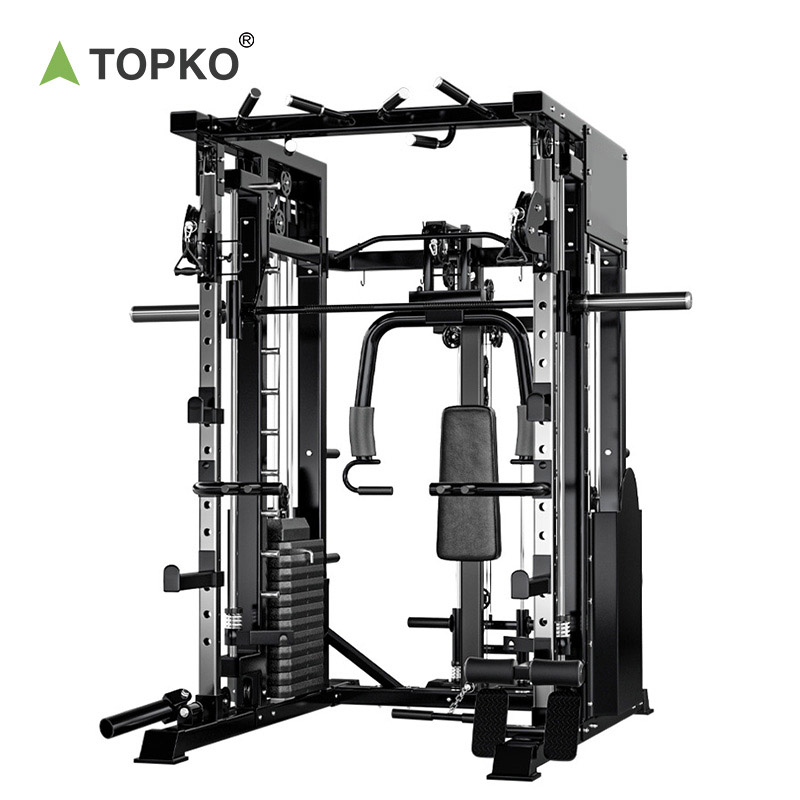
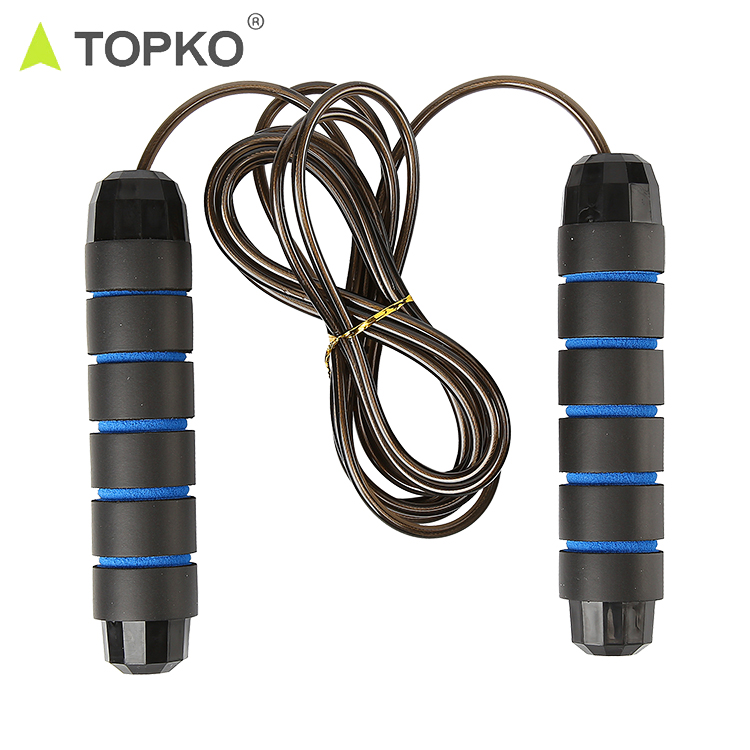
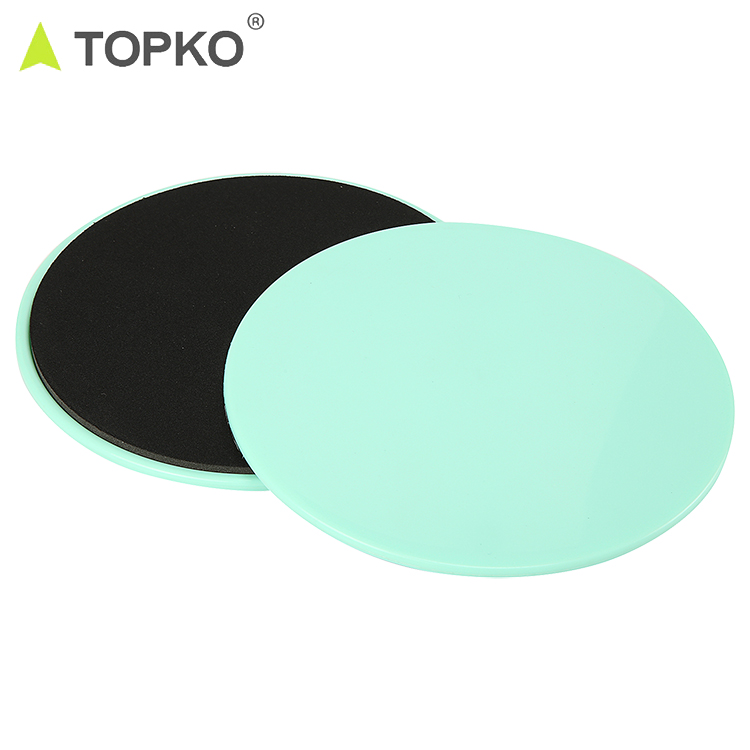
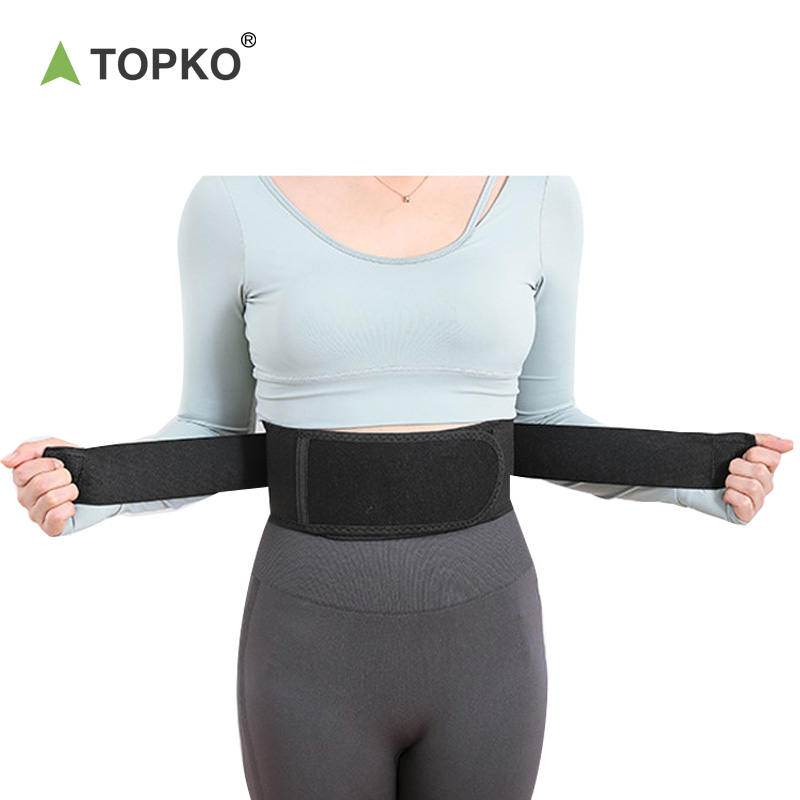
The Danish fitness ecosystem presents distinctive functional movement demands driven by high athletic participation rates across urban centers like Copenhagen, Aarhus, Odense, and Aalborg. As Danish strength culture transitions from conventional isolated hypertrophy towards functional longevity and tri-planar biomechanics, solid steel macebells have rapidly emerged as indispensable commercial assets. Unlike standard kettlebells or clubbells, the disproportionate weight distribution of a long-lever steel mace forces high core stabilization, active scaption control, and transverse plane rotation.
In Denmark, specific operational domains are demanding precision-engineered steel macebells:
Danish functional training centers integrate heavy 360-swings, 10-to-2s, and barbarian squats to build kinetic rotational power for athletes in handball, rowing, and combat sports.
Licensed Danish physiotherapists (Fysioterapeuter) use sub-6kg calibrated steel maces to re-educate glenohumeral stabilizers, correct postural kyphosis, and treat rotator cuff pathologies.
Urban apartments in Vesterbro or Nørrebro prioritize compact, versatile equipment. A single macebell provides full-body metabolic conditioning without requiring multi-tier plate racks.
Understanding structural shifts within the Nordic fitness equipment sector is essential for brand managers, procurement directors, and commercial gym developers:
1. Shift from Hollow-Shell to Solid Structural Steel: Early imports into Denmark often utilized welded sheet iron or hollow shafts filled with lead shot, leading to weld ruptures and loose balance over repetitive impact. Danish gym chains now demand cold-drawn structural steel with robotically integrated round heads, ensuring continuous integrity under rigorous box-gym conditions.
2. Climate-Resilient Finishes: The coastal Scandinavian humidity accelerates micro-corrosion on standard raw iron. Importers serving Denmark increasingly mandate matte anti-corrosive electro-deposition coatings or micro-textured powder coats that retain grip with or without chalk during cold Danish winters.
3. Strict Reach & Environmental Directives: Danish commercial buyers enforce EU REACH regulations (EC No 1907/2006) strictly, targeting heavy metals, SVHCs (Substances of Very High Concern), and toxic solvent residues in finishes. Factories serving this market must guarantee clean steel sourcing, lead-free surface coatings, and plasticizer-free end plugs.
4. Rise of Private Label Micro-Batches: Danish boutique gym brands leverage OEM/ODM customization—incorporating laser-engraved Danish design motifs, dual-knurling zones, and personalized end-cap stamping with lower MOQ thresholds (starting at 50-100 units).
Direct-from-source manufacturing infrastructure combining industrial precision, verified export capabilities, and compliance certainty.
Our complete manufacturing plant, worker compliance, and finished-goods inspection processes are independently assessed on-site by SGS Group, mitigating sourcing risks for European trade partners.
Full customization, design-based development, sample-based prototyping, and minor private-label adjustments (laser etching, custom knurling, PMS-matched coatings, and tailored retail packaging).
Experienced with palletized FCL/LCL ocean freight directly into Port of Aarhus and Port of Copenhagen (CMP), with full documentation support (Customs Declarations, Commercial Invoices, and EUR.1 certifications).
Essential guidance addressing technical specifications, logistics, MOQs, and Scandinavian customs standards.