SGS On-site Assessed Custom Manufacturer SGS On-site Assessed Custom Manufacturer
From shock-absorbent subfloors to commercial free weights and ergonomic training tools, explore our turnkey equipment catalog manufactured to international CE, UKCA, and SGS audit standards for swift export to the United Kingdom.
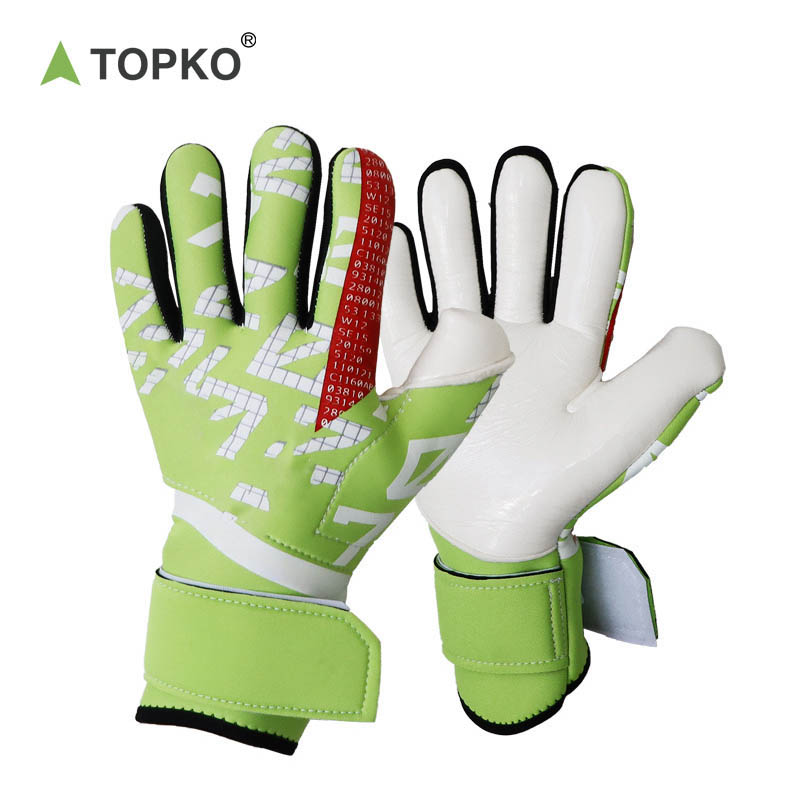
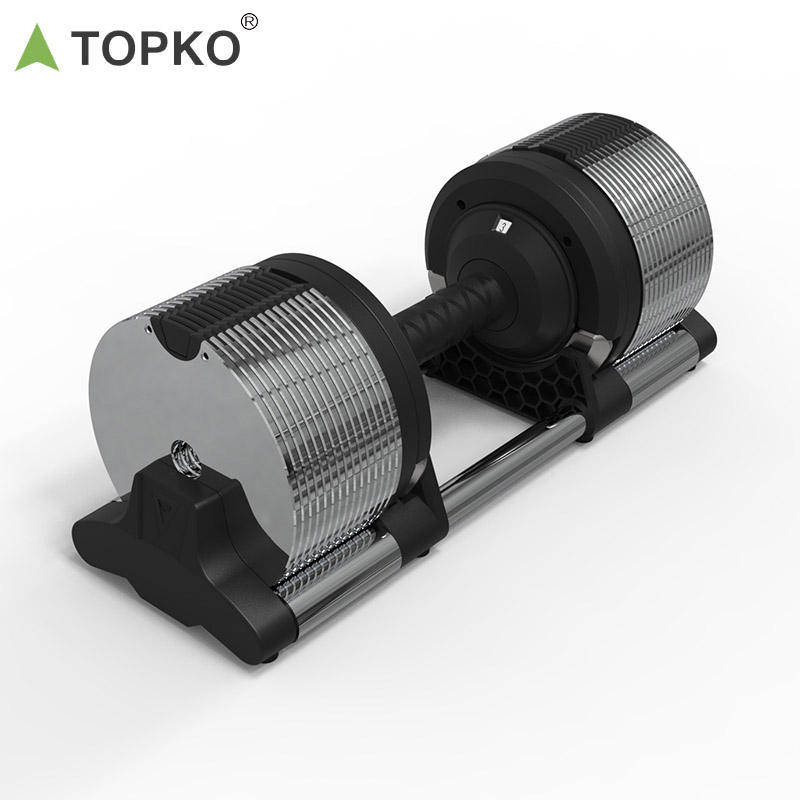
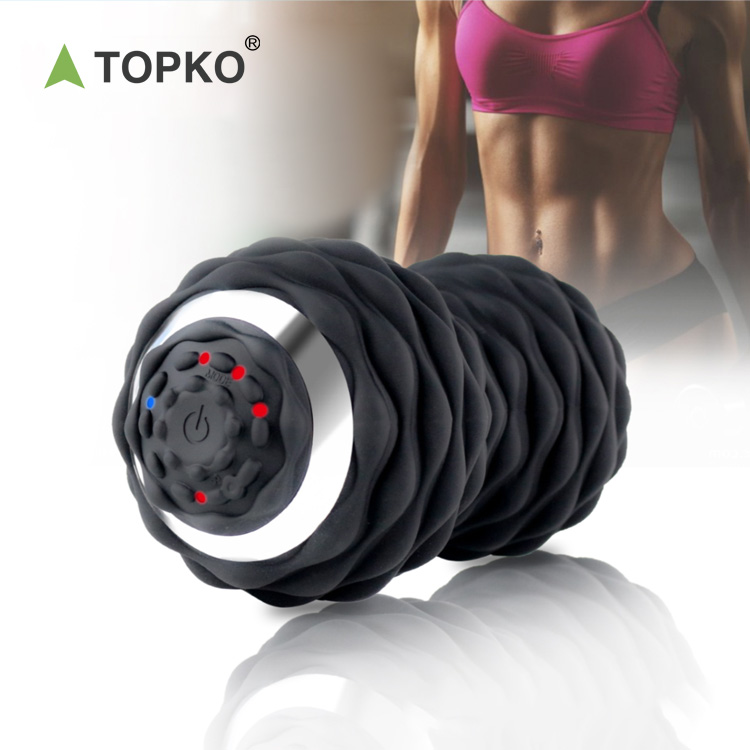
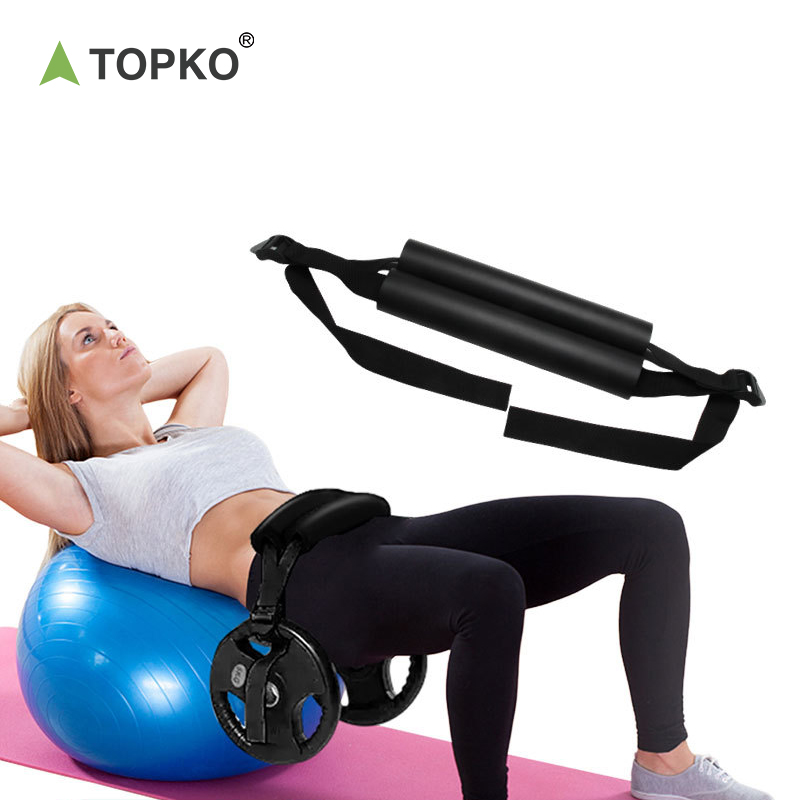
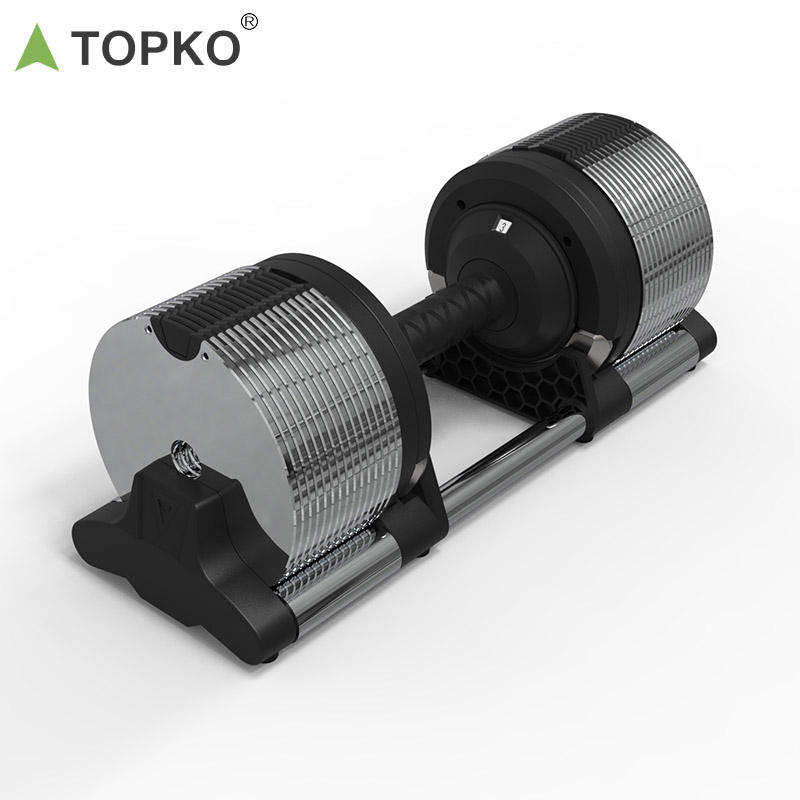
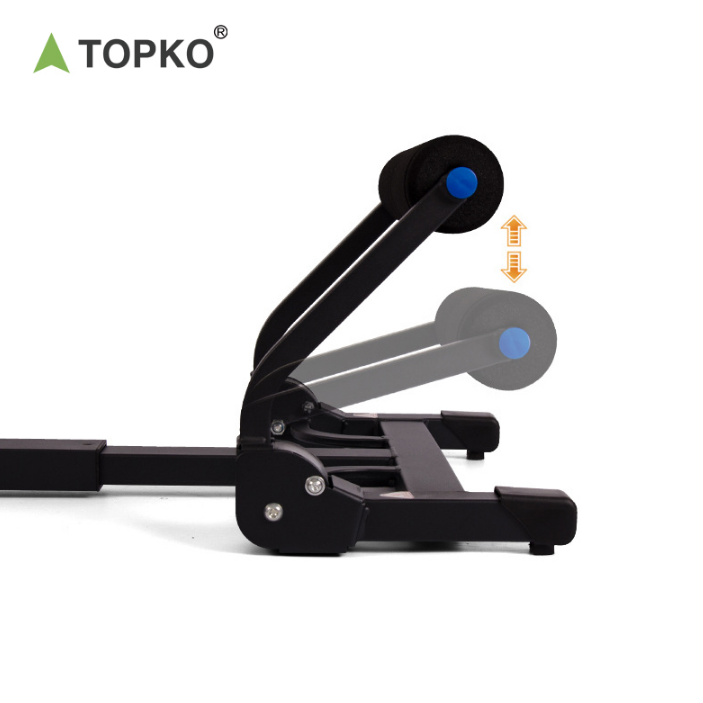
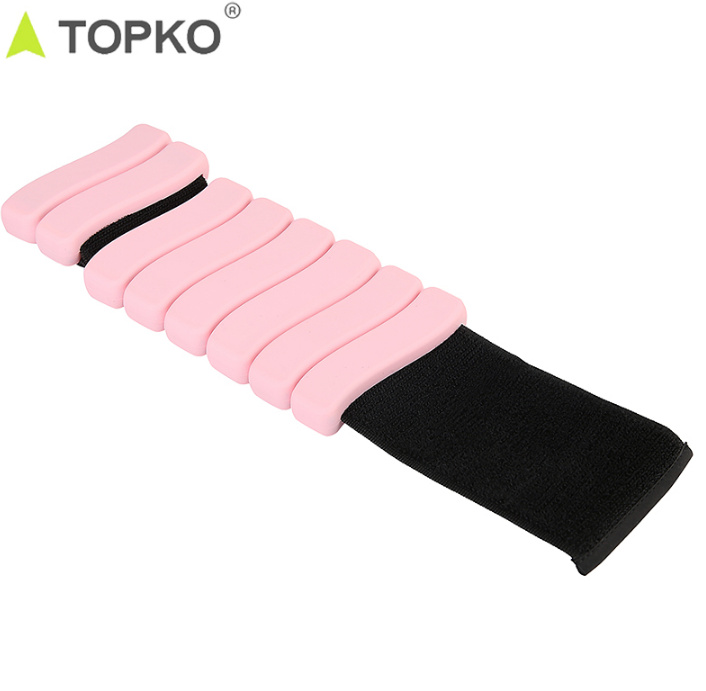
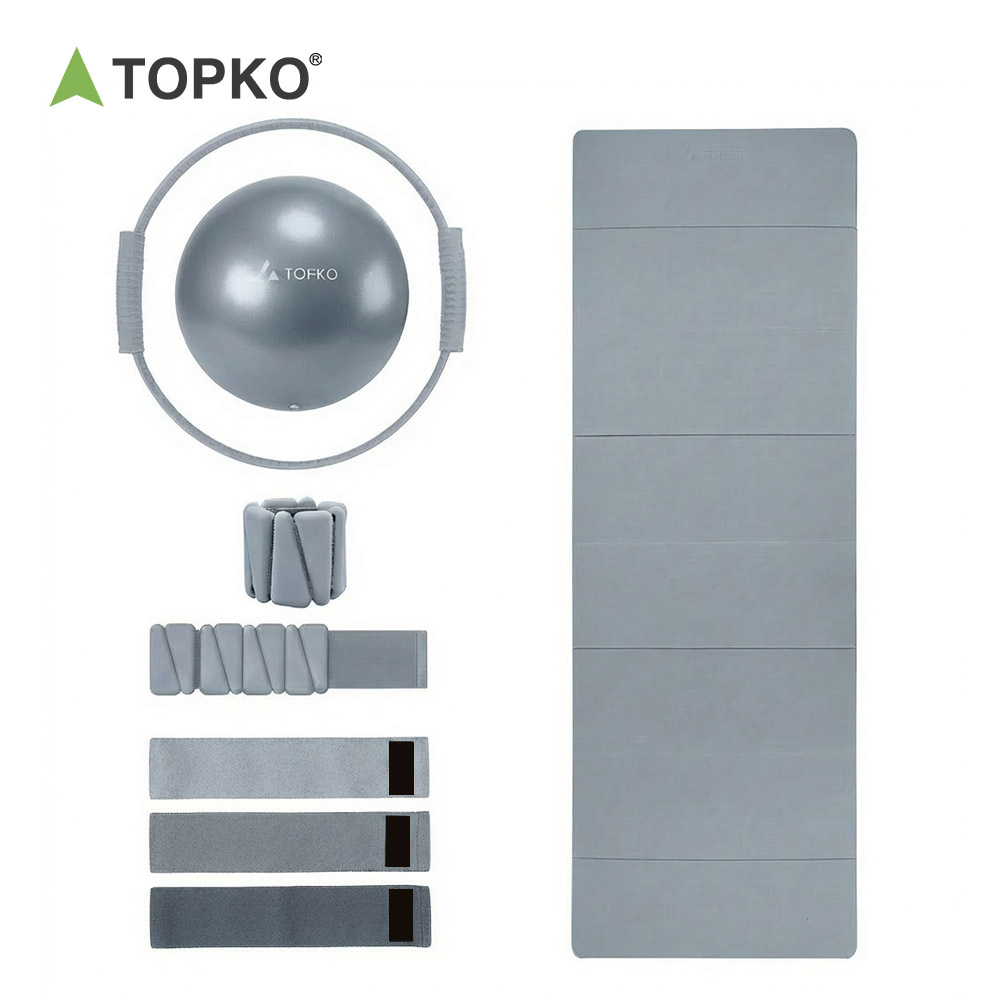
Our audited manufacturing facilities in China bridge top-tier factory efficiencies with the demanding regulatory requirements of the UK and European fitness construction sectors.
London's fitness footprint presents one of the most acoustically demanding, structurally constrained, and regulation-dense environments in the global leisure sector.
In modern urban London, the development of commercial gyms, boutique micro-studios, and corporate health suites rarely occurs within isolated greenfield warehouses. Instead, London fitness operators predominantly occupy Victorian railway arches in Bermondsey, sensitive grade-II listed basements in Mayfair, multi-tenant mixed-use developments along the Thames in Canary Wharf, or street-level spaces directly beneath prime residential apartments in Islington and Hackney. Under these rigorous spatial constraints, gym flooring ceases to be a simple cosmetic rubber floor covering—it transforms into an essential piece of acoustic and structural engineering.
When heavy free weights, deadlifts, and kettlebells contact bare concrete, kinetic energy creates severe low-frequency structure-borne vibrations (often between 10 Hz and 63 Hz) that transmit effortlessly through concrete floor slabs and steel building frames. Under Part E of the UK Building Regulations (Resistance to the Passage of Sound) and strict local council environmental health criteria (such as BS 8233 and BS 6472), commercial fitness premises in London face strict noise abatement orders or severe operational restrictions if drop-impact vibration disturbs neighboring residential or commercial tenants. Consequently, sourcing reliable rubber gym mats directly from specialized, heavy-industry manufacturers with precise compound formulations has become the single most critical factor for London project engineers, fit-out contractors, and commercial gym directors.
Different London postcodes pose vastly distinct architectural hurdles. Here is how our vulcanised composite rubber and specialty training solutions address localized subfloor challenges.
Designed for tight spaces in the City, Soho, and Mayfair where high-density classes operate on suspended structural floors. Dual-layer acoustic vulcanised rubber mats (30mm to 50mm) utilize engineered pedestal air voids to decouple dynamic kinetic shock from the primary concrete slab, mitigating low-frequency reverberation.
Commonly found across Hackney, Bermondsey, and Shoreditch where damp masonry and unlevel subfloors predominate. Our moisture-tolerant SBR crumb interlocking tiles integrate internal vapor relief channels and heavy tensile compounds that resist surface curling despite variable London ambient humidity.
Tailored for private subterranean wellness suites in Kensington, Chelsea, and Hampstead. Precision fine-granule EPDM-topped matting eliminates rubber odours through proprietary solvent-free post-curing degasification, ensuring strict compliance with indoor air quality thresholds.
High-turnover boxes located in commercial trading estates like Park Royal or Croydon require extreme tear-resistance. Our 20mm-25mm high-density polymer-bonded vulcanised rubber withstands repetitive 100kg+ barbell drops without micro-fracturing or surface pitting.
Navigating British procurement requires compliance that goes far beyond catalog aesthetics. Here are the non-negotiable trends governing commercial gym development in the capital.
Due to the high proportion of basement gyms in London, building control inspectors require stringent fire performance. Standard rubber flooring often fails commercial inspection without verified certification. Our flame-retardant compound lines achieve Class $C_{\text{fl}}\text{-s1}$ and $B_{\text{fl}}\text{-s1}$ ratings, minimizing both flame spread and smoke toxicity in confined sub-grade training environments.
London structural acoustic engineers insist on laboratory-tested impact sound reduction indices ($\Delta L_{\text{w}}$). Ordinary domestic interlocking mats provide negligible acoustic resistance ($\le 12 \text{ dB}$). Our high-performance composite sub-systems achieve independently verified $\Delta L_{\text{w}}$ reductions up to $28\text{ dB}$, satisfying stringent mixed-use tenant leases across central boroughs.
Post-Brexit UK REACH regulations enforce strict chemical compliance on rubber articles in contact with human skin. Cheap reclaimed rubber containing hazardous plasticisers and high PAH levels cannot legally be distributed in the UK. Our eco-vulcanised batches undergo rigorous SGS laboratory screenings to guarantee compliance under Regulation (EC) No 1907/2006 as retained in UK law.
Direct comparative performance parameters across standard flooring categories deployed in London fitness builds. Formulate your spec sheets with verifiable physical data.
| Material Classification | Nominal Density | Shore Hardness | Impact Sound Reduction ($\Delta L_{\text{w}}$) | Wear Layer Composition | Optimal London Use-Case |
|---|---|---|---|---|---|
| Dual-Density Acoustic SBR Tile | 950 – 1050 kg/m³ | 60 ± 5 Shore A | 24 – 28 dB | Fine recycled SBR + EPDM flecks | Multi-storey gyms, City boutique studios |
| Vulcanised Pure Virgin Rubber Roll | 1400 – 1500 kg/m³ | 68 ± 5 Shore A | 16 – 18 dB | 100% Calendered virgin compound | High-traffic functional lanes, sprint tracks |
| Heavy Drop Olympic Impact Pad | 850 – 950 kg/m³ | 50 ± 5 Shore A | 30 – 34 dB | Cellular foam core + vulcanised cover | Deadlift platforms, free-weight drop zones |
| Standard Recycled Crumb Mat | 800 – 900 kg/m³ | 55 ± 5 Shore A | 12 – 15 dB | Coarse tyre buffings + PU binder | Budget garage conversions, outer suburbs |
| Interlocking EPDM Luxury Tile | 1100 – 1200 kg/m³ | 65 ± 5 Shore A | 20 – 22 dB | Solid 3mm EPDM wear layer on SBR base | Hotel wellness suites, Mayfair private gyms |
Unlike trading brokers, we control the compound recipes, high-tonnage vulcanisation presses, and final packaging processes across our audited, proprietary production lines.
Our complete manufacturing operation, finishing workshops, and environmental testing capabilities have undergone rigorous on-site verification by SGS Group, providing UK importers total peace of mind.
From minor branding (laser cut logo badges, custom color fleck ratios) to precision sample matching and bespoke CAD tooling for specialized interlocking geometry, we bring your product visions to life.
Operating dedicated hydraulic vulcanising hot-presses, automated CNC contour slitting units, roller foaming lines, and precision punch machinery to ensure tight tile tolerances (±0.5mm edge variance).
Consolidate your heavy rubber flooring alongside commercial dumbbells, Pilates equipment, and resistance equipment into single full-container loads (FCL) delivered direct to London Gateway or Southampton.
Crucial answers regarding UK customs, logistics, subfloor adhesive selection, and acoustic testing protocols for British fitness developments.
Production for custom FCL orders takes 20 to 25 days. Container transit from Shanghai or Ningbo to London Gateway or Southampton port takes approximately 28 to 34 days via standard maritime corridors. We assist with full bill of lading documentation, EUR.1 / GSP certs, and commercial invoices ready for HMRC customs clearance.
Traditional vulcanised rubber emits volatile sulphur residues. For confined London basements with mechanical ventilation, we employ a high-temperature secondary post-cure baking process alongside proprietary zero-VOC MDI polyurethane prepolymers, eliminating offensive rubber smells prior to palletization.
Yes. We supply laboratory test reports compliant with BS EN ISO 10140-3 and BS EN ISO 717-2. Our technical team works alongside your appointed UK acoustic consultants to provide targeted dynamic stiffness ($s'$) and impact sound attenuation values ($\Delta L_{\text{w}}$) for seamless planning permissions.
While standard black or flecked stock tiles have low entry minimums (starting from 100 square meters), fully bespoke branding, specialized custom top-surface pantones, or bespoke tile thicknesses typically start from 300 to 500 square meters. We also support consolidation with our other featured gym equipment.
For our heavy tiles ($\ge 30\text{mm}$ thickness, weighting $25\text{kg/m}^2+$), our integrated internal hidden dowel connector system allows floating installations, saving significant floor screed remediation costs when leasing commercial space in historic London buildings.
Completely. All polymer formulations, recycled tyre granulometry, and polyurethane binders are tested for polycyclic aromatic hydrocarbons (PAHs) and SVHC candidates under current UK chemical statutory instruments, ensuring total operator safety for skin-to-surface training.